
Packaging Regulations Singapore — Compliance Guide for Businesses
Understanding packaging regulations Singapore is essential for businesses that manufacture, import, or use packaging materials. From food safety compliance to environmental regulations, Singapore’s packaging framework ensures consumer safety and environmental responsibility whilst creating compliance obligations for businesses.
This guide provides an overview of key packaging regulations affecting Singapore businesses, with practical guidance on meeting compliance requirements.
Key Regulatory Bodies

Singapore Food Agency (SFA)
Role: Regulates food safety, including food contact materials and packaging.
Key responsibilities:
– Food contact material safety standards
– Food establishment licensing
– Food safety enforcement
– Import/export requirements for food packaging
Applicable to: All businesses producing, importing, or using packaging that contacts food.
National Environment Agency (NEA)
Role: Oversees environmental protection and waste management, including packaging waste.
Key responsibilities:
– Mandatory Packaging Reporting (MPR)
– Waste management regulations
– Extended Producer Responsibility (EPR) development
– Plastic bag charge enforcement
Applicable to: Businesses meeting reporting thresholds, supermarkets, packaging importers.
Health Sciences Authority (HSA)
Role: Regulates pharmaceuticals, medical devices, and health products.
Key responsibilities:
– Pharmaceutical packaging standards
– Medical device packaging requirements
– Health supplement regulations
– Label requirements for health products
Applicable to: Pharmaceutical companies, medical device manufacturers, supplement brands.
Food Packaging Regulations
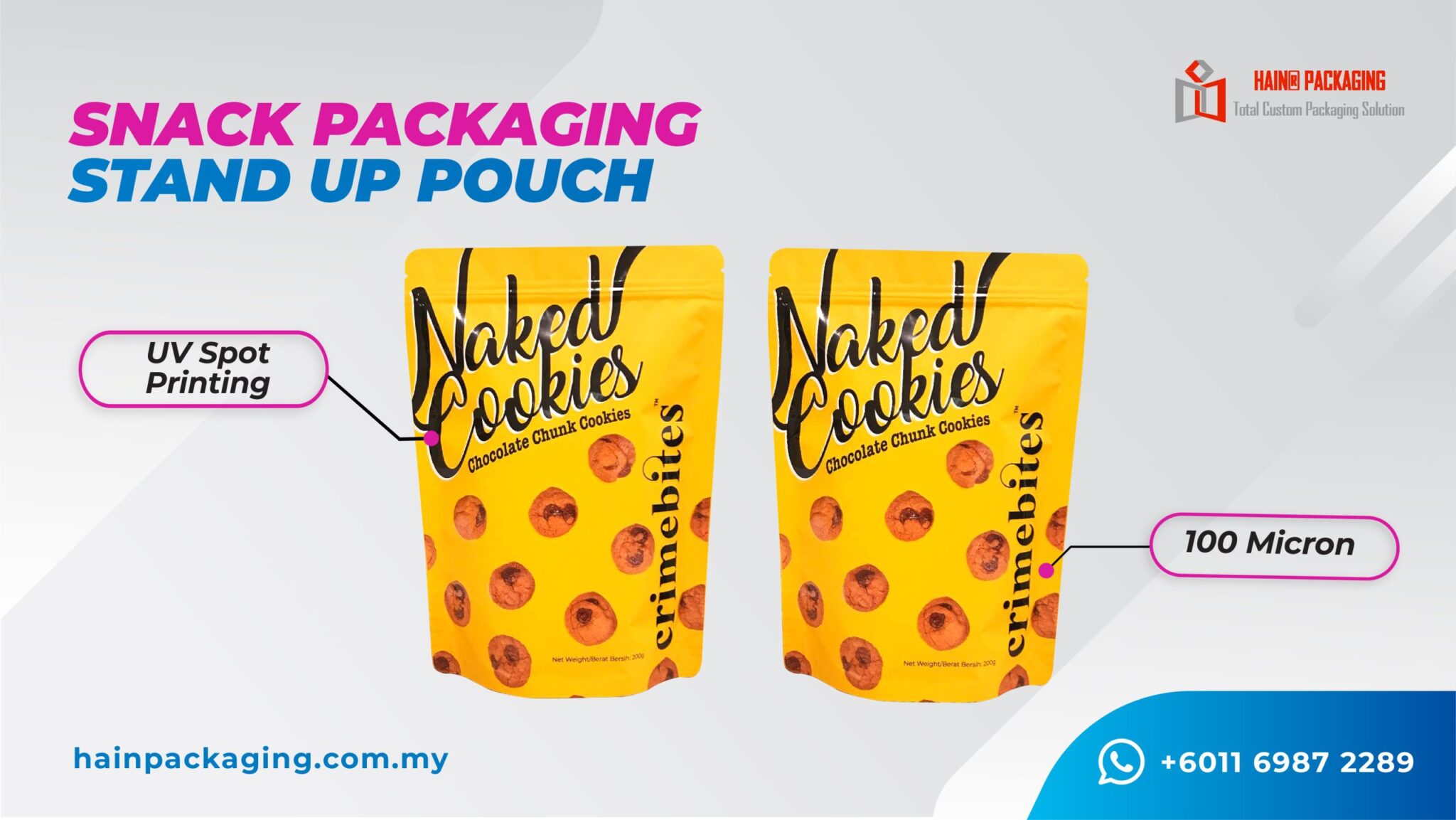
Food Contact Material Requirements
All packaging that contacts food must meet SFA requirements for food contact safety.
Key principles:
1. Migration limits — Substances must not migrate into food above safe levels
2. Composition standards — Only approved materials may be used
3. Manufacturing standards — Production under hygienic conditions
4. Labelling — Proper identification for food-safe materials
Compliance Approaches
Supplier documentation:
– Material composition certificates
– Migration test reports
– Compliance statements (FDA, EU, SFA)
Testing:
– Migration testing by accredited laboratories
– Product-specific testing where required
– Stability testing for sensitive applications
Food Establishment Requirements
Food establishments using packaging must ensure:
- Packaging is suitable for intended use (temperature, food type)
- Storage conditions maintain packaging integrity
- No contamination during storage or use
- Proper disposal of used packaging
Cross-link: See our detailed SFA Food Packaging Regulations Singapore guide.
Mandatory Packaging Reporting (MPR)
Who Must Report
Companies meeting any of these thresholds:
- Annual turnover exceeding S$10 million
- Regulated under specific acts (e.g., Sale of Food Act, Medicines Act)
What Must Be Reported
Packaging data:
– Types of packaging used
– Quantities (by weight)
– Packaging material categories
– Country of origin
Packaging plans:
– 3R initiatives (Reduce, Reuse, Recycle)
– Future reduction targets
– Sustainability commitments
Reporting Timeline
How to Report
1. Register on NEA’s packaging reporting portal
2. Compile packaging data (types, quantities)
3. Submit data by deadline
4. Maintain records for audit
Cross-link: See our detailed NEA Mandatory Packaging Reporting Guide.
Singapore Plastic Bag Charge
Requirements
Since 2023, large supermarkets must charge for plastic bags:
Impact on Businesses
For retailers:
– Update POS systems for bag charges
– Train staff on new requirements
– Communicate changes to customers
– Track bag usage
For consumers:
– Bring reusable bags
– Pay for carrier bags
– Increased awareness of single-use plastics
Cross-link: See our Singapore Plastic Bag Charge Guide.
Extended Producer Responsibility (EPR)
Coming Framework
NEA is developing Extended Producer Responsibility for packaging:
Key principles:
– Producers responsible for end-of-life packaging management
– Collection and recycling obligations
– Producer-funded recycling schemes
– Potential deposit-refund systems
Expected timeline: Phased implementation starting 2025–2026
Prepare by:
– Understanding your packaging portfolio
– Evaluating recyclability of current packaging
– Engaging with industry consultations
– Planning for potential cost impacts
Pharmaceutical and Healthcare Packaging Regulations
HSA Requirements
Pharmaceutical and medical device packaging must comply with HSA requirements:
Key requirements:
Documentation
Pharmaceutical packaging requires:
- Material certificates of analysis
- Stability testing data
- Packaging validation documentation
- Change control procedures
Cross-link: See our Pharmaceutical Packaging Regulations Singapore guide.
Cosmetic Packaging Regulations
ASEAN Cosmetic Directive
Cosmetic packaging must comply with ASEAN Cosmetic Directive requirements:
Key requirements:
Labelling Requirements
Cosmetic packaging must display:
- Product name
- Ingredient list (INCI names)
- Batch number
- Country of manufacture
- Name and address of responsible person
- Contents (quantity)
- Precautionary statements
- Expiry date (where applicable)
Halal Packaging Considerations
Halal Certification Requirements
For halal-certified products, packaging must:
- Not contain non-halal substances (e.g., porcine-derived materials)
- Not be contaminated with non-halal materials
- Be stored separately from non-halal materials
- Have traceability documentation
Documentation
Halal audits typically require:
- Material composition declarations
- Storage and handling procedures
- Supplier halal certificates (where applicable)
- Cleaning procedures for multi-use containers
Cross-link: See our Halal Certification for Packaging Singapore guide.
Import and Export Regulations
Importing Packaging
Requirements:
– Declare packaging materials through customs
– Ensure compliance with relevant regulations
– Maintain documentation for audit
– Some materials may require permits
Exporting Packaging
Considerations:
– Destination country requirements
– Material composition documentation
– Certifications (FDA, EU, etc.) for food packaging
– Sustainable packaging requirements in some markets
Environmental Compliance

Singapore Green Plan 2030
National targets affecting packaging:
Sustainability Reporting
Large companies may need to report sustainability metrics:
- Packaging usage and reduction
- Environmental initiatives
- Carbon footprint (including packaging contribution)
- ESG reporting requirements
Compliance Best Practices
Documentation Management
Maintain comprehensive records:
- Supplier compliance certificates
- Test reports and certifications
- Purchase records and quantities
- Material specifications
- Audit trails
Supplier Management
Work with compliant suppliers:
- Verify supplier certifications
- Request documentation before ordering
- Conduct supplier audits (for high-risk applications)
- Maintain approved supplier lists
Internal Controls
Implement processes to ensure ongoing compliance:
- New material approval procedures
- Change control for packaging changes
- Regular compliance reviews
- Staff training on requirements
Stay Informed
Regulations evolve. Stay current by:
- Subscribing to agency updates (SFA, NEA, HSA)
- Industry association membership
- Regular compliance reviews
- Engaging with regulatory consultations
Common Compliance Questions
“How do I know if my packaging is food-safe?”
Request documentation from your supplier:
– Material composition certificate
– Food contact compliance statement
– Migration test reports (if applicable)
Look for certifications: FDA, EU 10/2011, or equivalent.
“Do I need to test my packaging?”
Testing may be required for:
– New materials or applications
– High-risk products (fatty foods, acidic foods)
– Regulatory submission requirements
– Quality assurance
Consult with your supplier or testing laboratory.
“What if my supplier cannot provide documentation?”
This is a red flag. Consider:
– Switching to a compliant supplier
– Independent testing of materials
– Risk assessment of continuing use
Non-compliant packaging creates regulatory and liability risk.
“Does sustainable packaging have different requirements?”
Sustainability claims (biodegradable, compostable, recyclable) have specific standards:
– Compostable: Must meet EN 13432, ASTM D6400, or equivalent
– Biodegradable: Specific conditions and timeframes required
– Recyclable: Must be accepted in local recycling systems
Ensure claims are accurate and substantiated.
Getting Help with Packaging Compliance
Regulatory Guidance
SFA: For food contact material questions
– Website: sfa.gov.sg
– Enquiry: through SFA portal
NEA: For packaging waste and MPR questions
– Website: nea.gov.sg
– MPR portal: available through NEA website
HSA: For pharmaceutical and health product packaging
– Website: hsa.gov.sg
Industry Support
Industry associations provide guidance:
– Singapore Manufacturing Federation (SMF)
– Singapore Food Manufacturers’ Association (SFMA)
– Singapore Retailers Association (SRA)
Supplier Support
Choose suppliers who provide:
– Compliance documentation
– Technical support
– Regulatory updates
– Testing assistance
HAIN Packaging provides compliance documentation for all food-grade products and can assist with regulatory questions.
Frequently Asked Questions
What regulations apply to food packaging in Singapore?
Food packaging must comply with SFA requirements for food contact safety. This includes material composition limits, migration requirements, and hygienic manufacturing. Suppliers should provide compliance documentation.
Who needs to report under Mandatory Packaging Reporting?
Companies with annual turnover exceeding S$10 million must report packaging data annually to NEA.
Are biodegradable plastics regulated differently?
Yes. Environmental claims must be substantiated. Compostable packaging must meet specific standards (EN 13432, ASTM D6400). Terms like “biodegradable” must be accurate for the claimed conditions.
What are the penalties for non-compliance?
Penalties vary by regulation:
– Food safety: Fines, product recall, licence suspension
– MPR: Fines for non-reporting
– Environmental: Fines, corrective orders
Compliance is always less costly than enforcement action.
Get Support for Packaging Compliance
Navigating packaging regulations can be complex. HAIN Packaging helps Singapore businesses meet compliance requirements.
What we offer:
- SFA-compliant food packaging with documentation
- Regulatory guidance and updates
- Material certification support
- Compliance documentation for audit requirements
Need help with packaging compliance?
Contact us or email [email protected]. Tell us about your product, packaging requirements, and compliance questions — we will help ensure your packaging meets Singapore’s regulatory requirements.
Last updated: May 2026 | Helping Singapore businesses navigate packaging compliance
Related Packaging Resources
- Food Packaging Singapore — Complete guide for F&B businesses
- Stand Up Pouch Singapore — Flexible packaging solutions
- Ecommerce Packaging Singapore — Online seller packaging
- Courier Packaging Singapore — Logistics and delivery packaging
📞 +60 11-6987 2289 | 📧 [email protected]
Maximizing Value from Your Packaging Investment
Seasonal and Promotional Packaging Strategies
Seasonal packaging variations can significantly boost sales during key periods such as Chinese New Year, Hari Raya, Deepavali, and Christmas. Plan your seasonal packaging at least three months in advance to accommodate design iterations, production lead times, and logistics. Limited edition packaging creates urgency and can command premium pricing. Consider reusable or collectible packaging designs that extend brand visibility beyond the initial purchase.
Supply Chain Considerations for Packaging
Packaging is often the last component considered in supply chain planning, yet it directly impacts product protection during transit, warehousing efficiency, and last-mile delivery costs. Coordinate your packaging design with your logistics team to optimize pallet utilization and minimize shipping damage. Standard-sized packaging reduces warehousing complexity and improves inventory accuracy. Just-in-time packaging delivery can reduce storage costs but requires reliable supplier relationships.
Technology Integration in Modern Packaging
Smart packaging technologies are becoming increasingly accessible and affordable. QR codes linking to product information, authentication features, and promotional content are now standard in many industries. NFC tags embedded in premium packaging enable tap-to-verify authenticity and access exclusive content. These technologies not only enhance consumer engagement but also provide valuable data on product interaction patterns and geographic distribution.
Building Long-term Supplier Relationships
Consistent packaging quality depends heavily on strong supplier relationships. Treat your packaging supplier as a strategic partner rather than a transactional vendor. Share your business growth plans so they can scale capacity accordingly. Provide timely feedback on quality and service. Pay on schedule to maintain priority status during peak production periods. A reliable packaging partner can become a genuine competitive advantage, offering faster turnaround times, design innovation, and preferential pricing that competitors cannot easily replicate.
Further Insights (Supplement 1)
Packaging Trends in Southeast Asia
The Southeast Asian packaging market continues to evolve rapidly, driven by e-commerce growth, sustainability mandates, and changing consumer expectations. Malaysia and Singapore are at the forefront of adopting innovative packaging solutions. Businesses that stay ahead of these trends gain significant competitive advantages in terms of cost efficiency, brand perception, and regulatory compliance. Working with an experienced local packaging supplier who understands these market dynamics is invaluable for navigating this complex landscape.
Common Packaging Mistakes to Avoid
Many businesses underestimate the importance of proper packaging specification. Common mistakes include ordering based on price alone without considering material quality, failing to account for climate conditions during storage and transport, and not testing packaging performance under real-world conditions. In tropical climates like Malaysia and Singapore, humidity and temperature fluctuations can significantly impact packaging integrity. Always conduct environmental testing before committing to a packaging solution, particularly for products with extended shelf life requirements.
Further Insights (Supplement 2)
Packaging Trends in Southeast Asia
The Southeast Asian packaging market continues to evolve rapidly, driven by e-commerce growth, sustainability mandates, and changing consumer expectations. Malaysia and Singapore are at the forefront of adopting innovative packaging solutions. Businesses that stay ahead of these trends gain significant competitive advantages in terms of cost efficiency, brand perception, and regulatory compliance. Working with an experienced local packaging supplier who understands these market dynamics is invaluable for navigating this complex landscape.
Common Packaging Mistakes to Avoid
Many businesses underestimate the importance of proper packaging specification. Common mistakes include ordering based on price alone without considering material quality, failing to account for climate conditions during storage and transport, and not testing packaging performance under real-world conditions. In tropical climates like Malaysia and Singapore, humidity and temperature fluctuations can significantly impact packaging integrity. Always conduct environmental testing before committing to a packaging solution, particularly for products with extended shelf life requirements.