
Packaging sits at the point where food safety, product quality and waste rules meet. A manufacturer can specify a film that performs perfectly in the freezer and still end the year with a compliance problem, because nobody recorded which material went into which batch, or because a label claim was written by a designer rather than checked against the product. Food packaging regulations Singapore work is mostly unglamorous record keeping and supplier discipline, and it is far cheaper to build that discipline before launch than to rebuild it after a query. This guide sets out the areas a Singapore food business should cover, and the questions to put to a packaging supplier before an order is placed.
Key Takeaways
- Food packaging regulations Singapore duties follow your activity, not the size of your company.
- Food contact materials need a supplier declaration that matches the delivered batch, not a generic marketing sheet.
- Label claims are a compliance surface. Anything printed on the pack is a statement about the product.
- Traceability depends on matching each delivery to its production batch, which is a purchasing discipline as much as a factory discipline.
- Packaging waste reporting is a separate duty from food safety, administered by a different agency.
- Treat the compliance file as a living document. It is checked at audit, at customer review and when something goes wrong.
What Your Compliance File Must Cover
- Which rules apply to you depends on what you do
- Food contact materials: what to ask your supplier for
- Labelling and claims on the pack
- Records, traceability and batch matching
- Supplier evidence and the documentation pack
- Imported, repacked and contract-packed goods
- Packaging waste and reporting duties
- Building the file and keeping it current
- Frequently asked questions
Which Rules Apply to You Depends on What You Do
Start by writing down exactly what your business does with food. A company that manufactures a sauce, fills it into pouches and sells to supermarkets has one set of duties. A company that buys finished pouches from a contract packer and sells under its own brand has another. A company that imports, stores and distributes has a third. Each activity can be separately regulated, and a business that does more than one usually needs to satisfy more than one set of conditions.
Once the activity list is written, map each one to the agency that administers it. In Singapore, food safety and food-related licensing sit with the Singapore Food Agency, while packaging waste and reporting sit with the National Environment Agency. Do not assume that a document prepared for one agency satisfies the other, because the two ask different questions and keep separate records.
Then confirm rather than assume. Regulatory detail changes, and the categories that apply to a small home-based producer are not the same as those that apply to a factory supplying a national retailer. The Singapore Food Agency page on the Food Safety and Security Act is the authoritative starting point for food-related duties, and it should be read directly rather than through a summary. Where a requirement affects your pack design, get the position in writing before artwork is finalised, because changing print after production has started is expensive.
Food Contact Materials: What to Ask Your Supplier For
A food contact material is any material that is intended to come into contact with food. In a flexible pack that includes the film in contact with the product, the inks and adhesives used in the laminate, any coating and any closure component the product touches. Each layer of the structure can be relevant, not just the innermost one, because migration can occur through a layer.
The single most useful document is a declaration of compliance or equivalent supplier statement that identifies the material, states its intended conditions of use, and is traceable to a production batch or lot. Ask for it at quotation stage so it becomes part of the order rather than an afterthought. A generic brochure statement is not the same thing and will not help you if a customer or auditor asks which material went into a specific delivery.
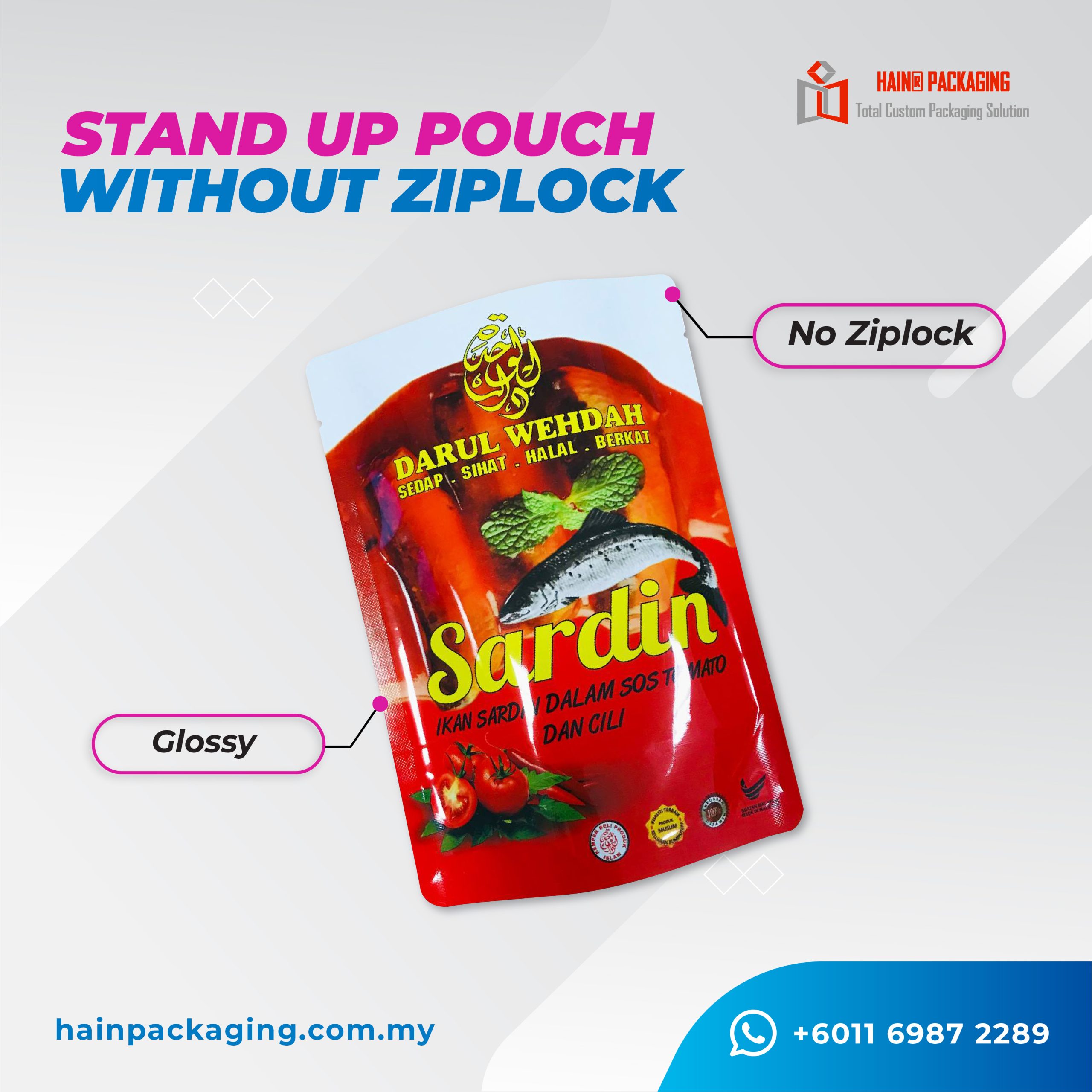
Match the declaration to your actual conditions of use. A material declared for ambient dry goods may not be declared for a hot fill, a fatty product or a frozen product held for months. Your product’s fat content, acidity, fill temperature and storage period are all part of the conditions of use, which is why the food grade stand up pouch Singapore guide starts from the product rather than from the pouch. If any of your conditions fall outside what the declaration covers, say so and ask for the right grade rather than proceeding on a closest match.
Where a claim about a material matters to your customer, ask what evidence supports it and who issued it. A test report from an accredited laboratory, referenced to a standard and dated, is worth far more than a logo on a website. Keep the report with the batch record, and note the date so you know when to ask for a refreshed version.
Labelling and Claims on the Pack
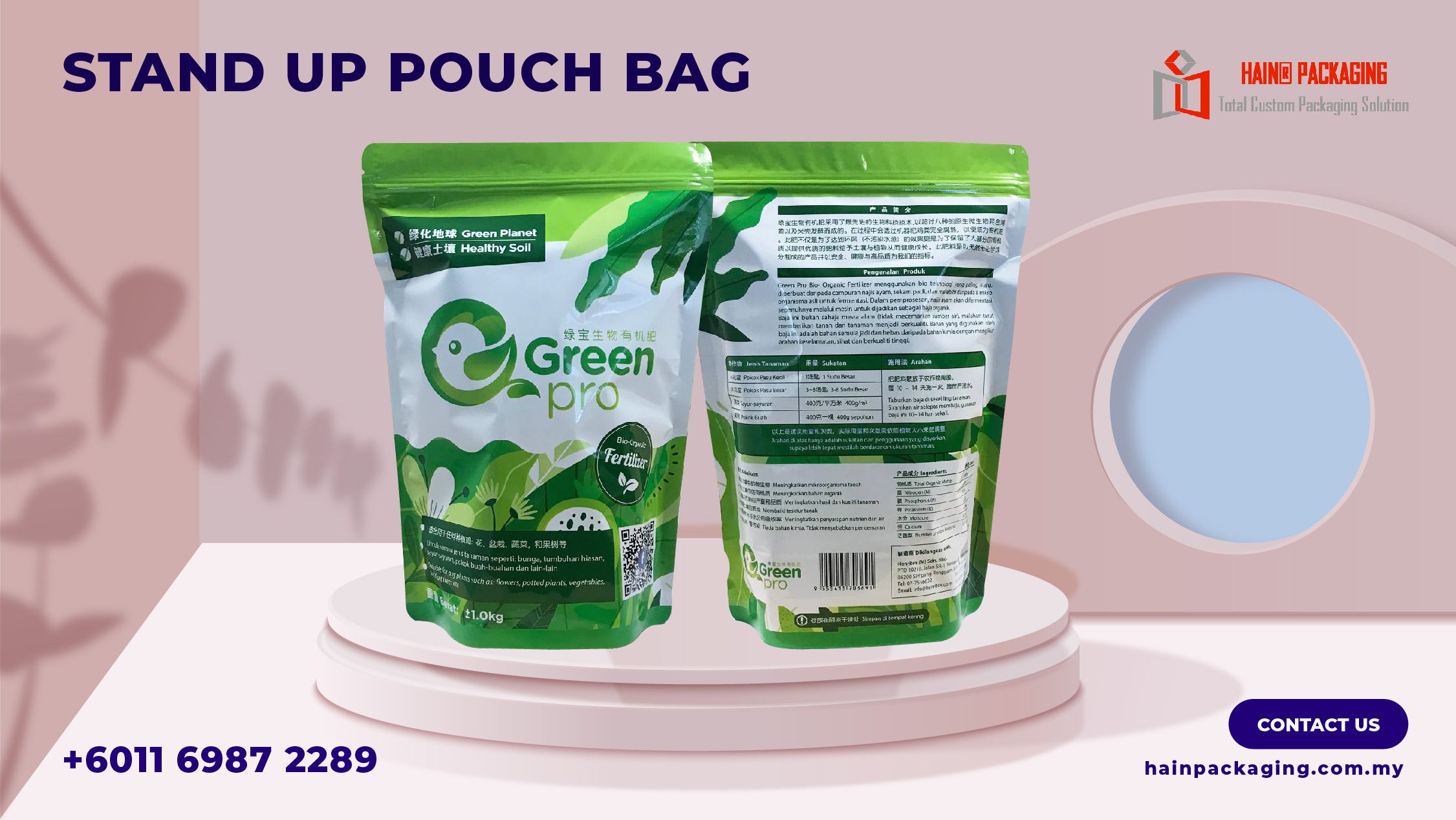
Food packaging regulations Singapore also cover what is printed, not only what is packed. Every statement printed on a pack is a statement the business has to stand behind. That includes the ingredient list and any allergen declaration, the net quantity, the date marking and storage instructions, the business name and contact details, and country of origin where relevant. It also includes marketing language: “natural”, “no preservatives”, “suitable for vegetarians” and similar phrases each carry a meaning that has to be true of the product as sold.
Designers are not the right people to finalise this text. Set the mandatory fields first, in the order the regulator expects, then fit the brand layer around them. Confirm the date marking format and the storage instruction against your own shelf life work rather than copying a competitor’s pack, because a storage instruction that your product cannot meet is a defect that follows every unit you sell.
Print durability is a compliance issue too, not only a brand issue. A label that rubs off in a freezer, a date code that smears when the pack gets wet, or an ink that bleeds into the product contact layer creates a pack that cannot be verified at the point of sale. Specify the print system and any overprint or coding method for the actual storage and handling conditions, then check legibility after a distribution trial rather than only at the press.
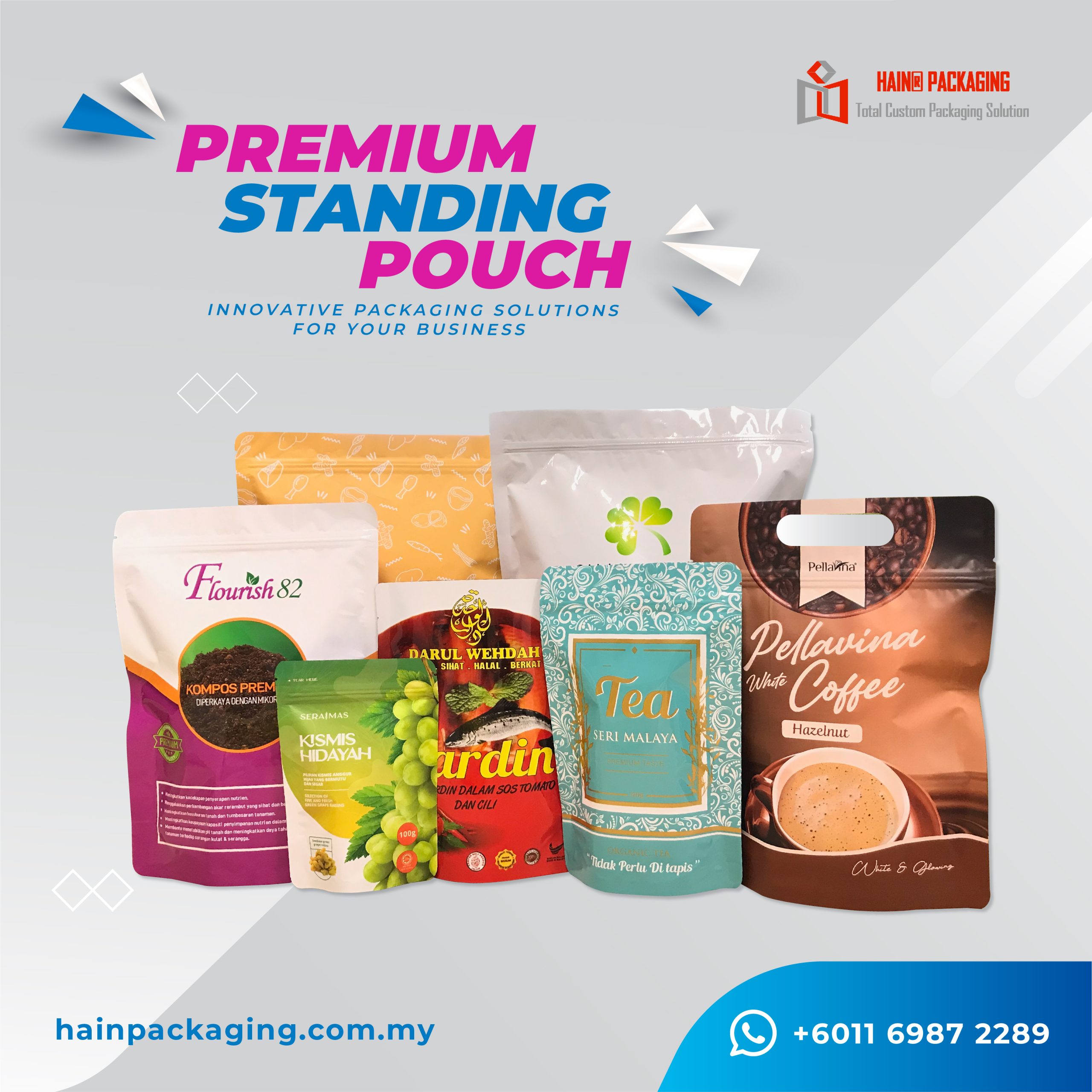
The food packaging Singapore overview covers how format choice interacts with print area, which matters because a small pack leaves less room for mandatory text than a designer’s mock-up suggests.
Records, Traceability and Batch Matching
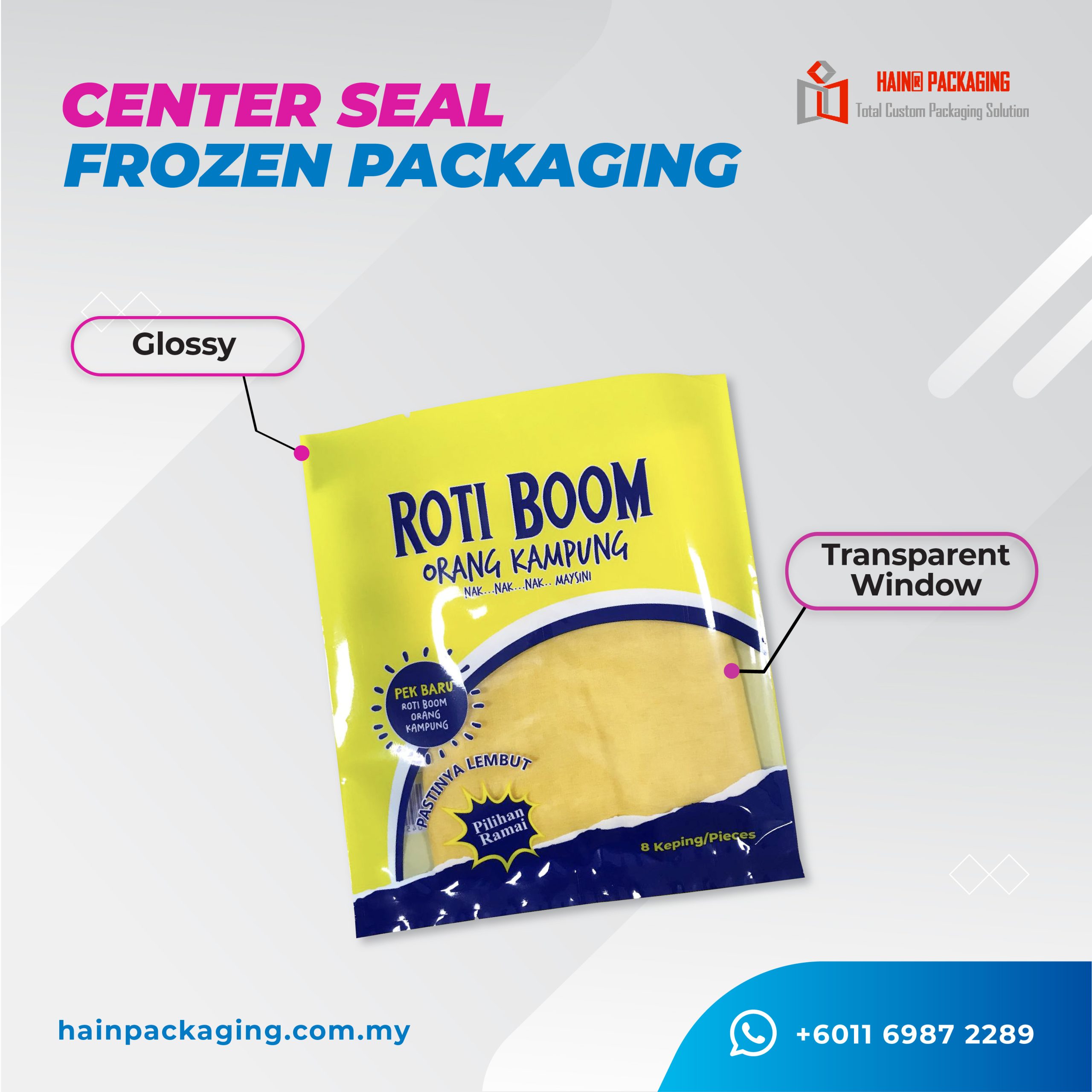
Food packaging regulations Singapore obligations look abstract until a customer asks a question, and traceability is where most businesses are weakest. Traceability fails in the gap between the factory and the purchase order. Most businesses can tell you what they produced on a given day. Far fewer can tell you which film lot went into that production, which carton it was packed in, and which customers received it. Closing that gap is a purchasing discipline: the supplier has to put lot numbers on delivery documents, and the goods in team has to capture them at receipt.
Build the record around one identifier. Give each incoming material delivery a receipt number, record the supplier lot against it, then record which receipt numbers were consumed by which production batch. Do the same for cartons, labels and closures. A simple spreadsheet maintained consistently is more useful than a sophisticated system that is updated once a month.
Test the system backwards, forwards and on a bad day. Pick one finished batch and reconstruct every input within a fixed time. Then pick one supplier lot and list every finished batch and customer that used it. Do this as a drill at least once a year. The drill always finds something, usually an unrecorded part-used roll or a substitution made during a weekend run, and it is much better to find it yourself.
Retention period matters as well. Keep records for at least as long as the product could still be in the market, and confirm the expectation for your category rather than guessing. When a customer asks a question about a delivery from last year, the difference between being able to answer in an hour and not being able to answer at all is the retention decision made today.
Supplier Evidence and the Documentation Pack
Ask for a documentation pack at quotation stage and make it a condition of the order. A workable pack contains a material declaration tied to the structure being quoted, a statement of intended conditions of use, test reports where a specific property is being claimed, print and adhesive information, and a commitment to advise you of any change to the specification. The last item is the one most often omitted and the one that causes the most trouble later.
Insist on change notification in writing. A supplier who changes a sealant layer, an ink supplier or a film source without telling you has changed your compliance position without your knowledge. Put a simple clause in the order terms: any change to material, structure, ink or adhesive must be advised before the next delivery, with an updated declaration. Good suppliers already do this, and asking for it tells you something about the ones who do not.
Verify rather than file. When a declaration arrives, check that the structure described matches the structure quoted, that the conditions of use cover your product, and that the document is dated and signed. A pack of papers that nobody reads provides no protection. A single page that someone has actually checked against the order is worth more.
Production slots need booking around a 10 to 12 week standard window measured from deposit and artwork sign-off, or a 5 to 7 week rush slot where the schedule is tight. Sampling time, any rush surcharge and freight are quoted against each specification, because all three move with quantity and delivery point, so request them in writing and hold the paperwork until the numbers arrive.
Imported, Repacked and Contract-Packed Goods
If finished goods arrive already packed, your supplier is inside your compliance boundary. The overseas manufacturer becomes a supplier you have to qualify, and the pack they use has to satisfy the same questions you would ask of a local pack. Request the material declaration and the labelling artwork for review before the goods ship, not after they land, because relabelling in Singapore is expensive and slow.
Repacking adds a step where things go wrong. Product removed from its original pack and placed into your own pack loses the protection of the original declaration unless the new pack is specified properly. Treat the repacking operation as a manufacturing step, with its own materials declaration, its own records and its own hygiene controls, and set the new date marking from your own assessment rather than inheriting the original.
Contract packing has a particular trap: who owns the specification. If the contract packer buys the film, they may change it without telling you. If you buy the film and send it to them, you control the specification but carry the stock risk. Either arrangement can work, but the choice has to be explicit in the contract, along with who retains the records and who notifies whom when something changes.
Packaging Waste and Reporting Duties
Packaging waste sits outside food safety, and food packaging regulations Singapore do not replace it. Packaging waste is administered separately, and the two should not be confused in internal documents. The National Environment Agency publishes the current requirements for mandatory packaging reporting and for the wider waste framework, and businesses should confirm their own position against the National Environment Agency page on mandatory packaging reporting and the National Environment Agency waste management page rather than relying on a summary.
What you can do now, regardless of the exact threshold that applies to you, is measure. Record the weight and material type of packaging you place on the market, by product line, using supplier data rather than estimates. That exercise takes an afternoon for most small ranges and it converts a reporting obligation from a scramble into a data entry task.
Measurement also pays for itself. Businesses that weigh their packaging usually find at least one line where the pack is heavier than it needs to be, one component that nobody can justify, or one format where a smaller size would cut material use without any risk to the product. Reduction and compliance point in the same direction, which makes this the easiest part of the programme to get approved internally. Where a change of material is being considered, the eco friendly packaging Singapore guide sets out the trade-offs involved.
Building the File and Keeping It Current
Food packaging regulations Singapore work becomes routine once the file exists and someone owns it. Put everything in one place, physical or digital, organised by product line. For each line keep the material declaration, the structure specification, the print and adhesive information, the labelling artwork as approved, the shelf life evidence, the supplier change notifications and the batch records. Add a one-page summary at the front stating the current specification and the date it was last reviewed, so that anyone can see in thirty seconds whether the file is current.
Assign an owner. A compliance file without a named owner drifts within about two quarters. The owner does not need to be a specialist, but they do need a standing instruction to request refreshed declarations when a document expires, to file every change notification, and to run the traceability drill each year.
Review at each reorder rather than annually. When you place a repeat order, spend five minutes confirming that the specification on the order matches the specification in the file, that no change notification has arrived since the last delivery, and that the artwork has not been altered. That five minutes is the entire difference between a controlled process and an accidental one.
Businesses that want the wider non-food context, including general labelling and waste obligations that apply across product categories, should also read the packaging regulations Singapore guide.
Food Packaging Regulations Singapore: Frequently Asked Questions
Do I need a separate document for each packaging component?
In practice yes. The film, the carton, the label and any closure can each carry a material declaration, and each is a different material with different conditions of use. Ask for one declaration per component and file them together under the product line.
What should I do if a supplier sends a generic compliance statement?
Ask for the version that identifies the structure you are buying and the conditions of use that cover your product. A generic statement is a starting point for a conversation, not a document you can file against a batch.
Who is responsible when a contract packer changes the film?
Whoever owns the specification, which is why the contract has to say so. If the packer buys the film, put a change notification clause in the agreement. If you buy it, you control the specification and carry the stock, and the packer simply runs what you supply.
Is packaging waste reporting the same as food safety compliance?
No. Food safety sits with the Singapore Food Agency and packaging waste sits with the National Environment Agency. They ask different questions, keep separate records, and one does not satisfy the other.
How often should declarations be refreshed?
Ask for a refreshed declaration whenever the specification changes, whenever a document passes the date your own retention policy sets, and at minimum on an annual cycle. File the refreshed version against the product line and note the review date on the summary page.
Next Step
Food packaging regulations Singapore compliance is mostly discipline that costs nothing to start and a great deal to retrofit. Build the file before the next order rather than after it. List your activities, request a documentation pack from your supplier at quotation stage, set the mandatory label fields before design, and record supplier lot numbers at goods receipt. Contact the HAIN packaging team with your product, fill temperature, storage conditions and intended market, and ask for the material declaration and conditions of use alongside the quotation so compliance is settled at the same time as price.