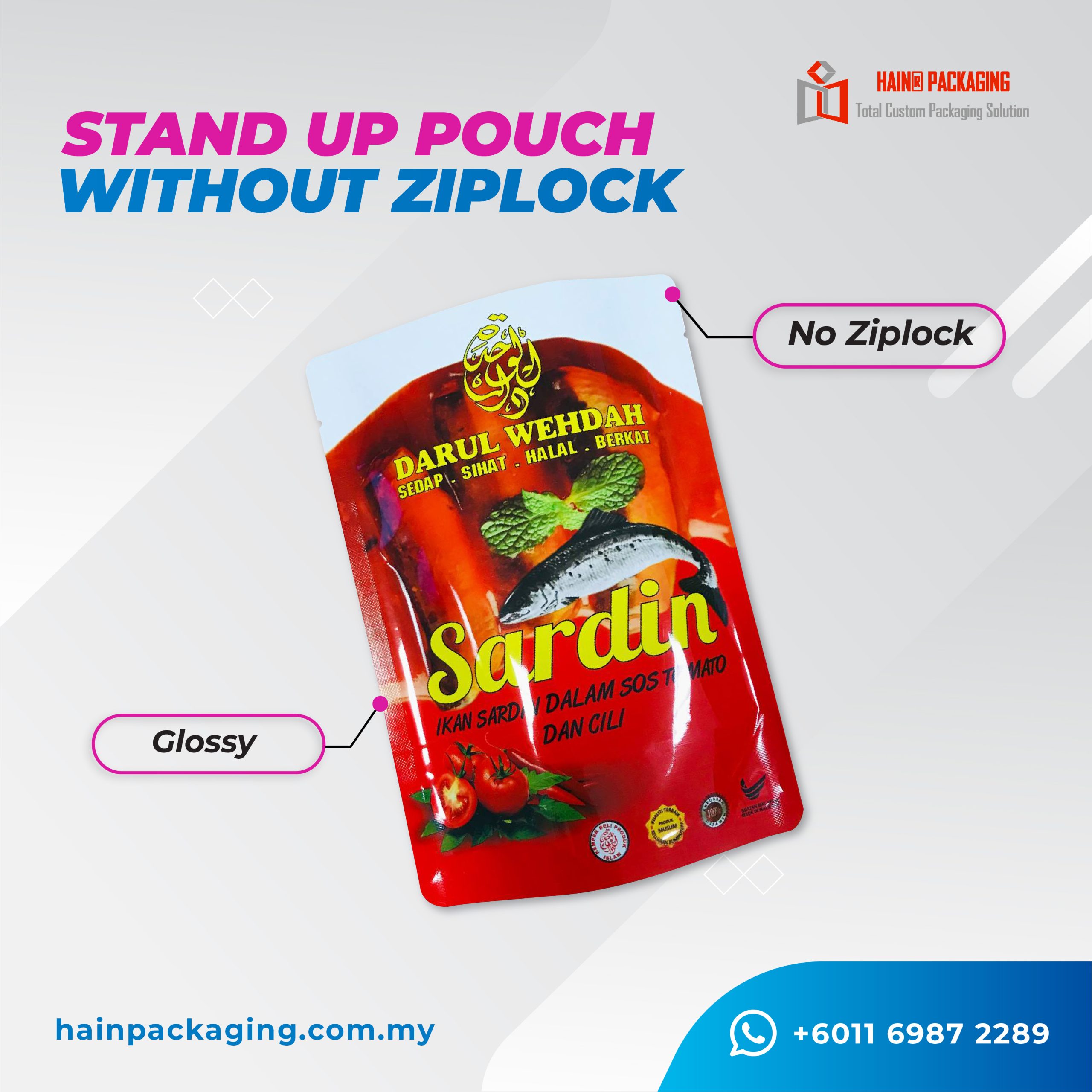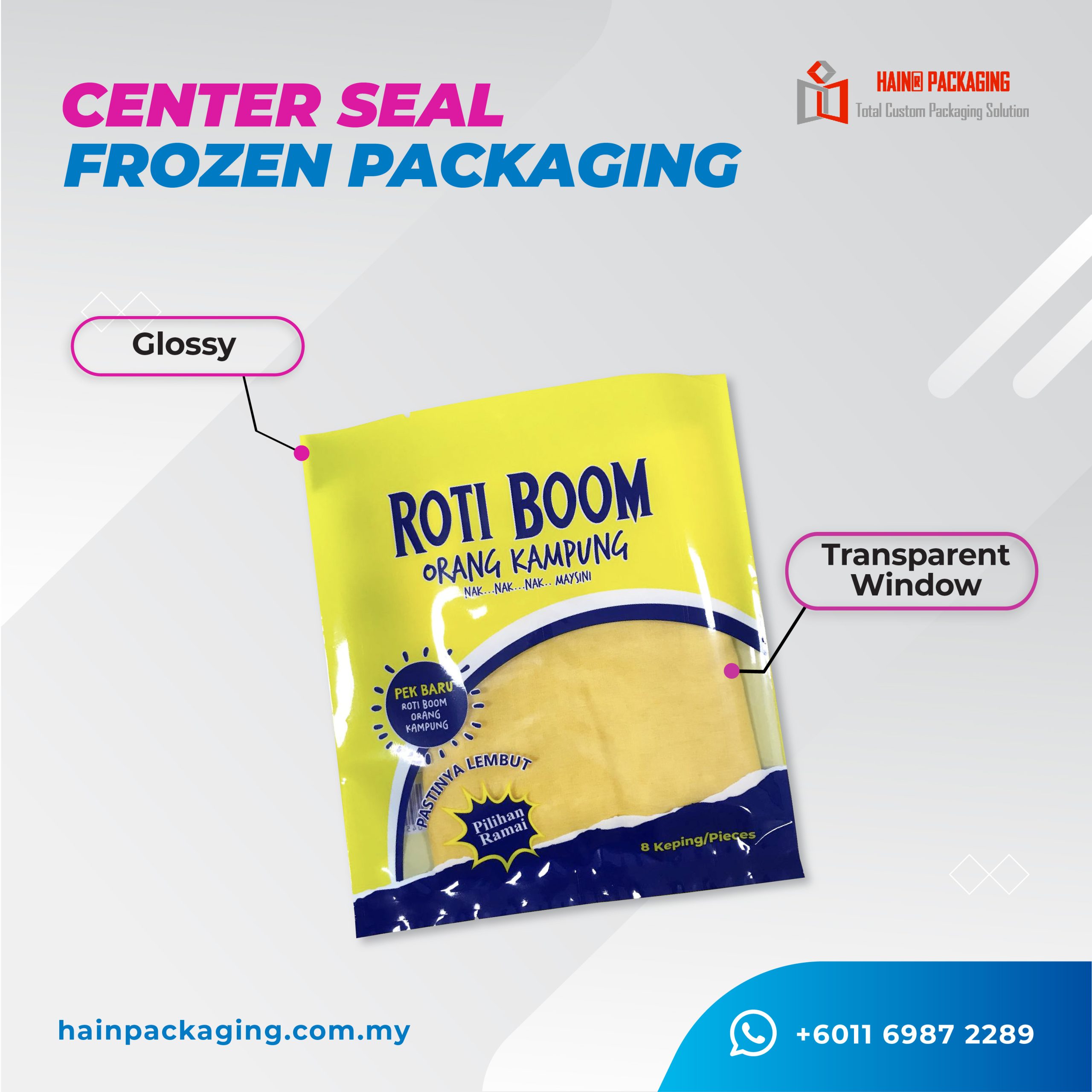

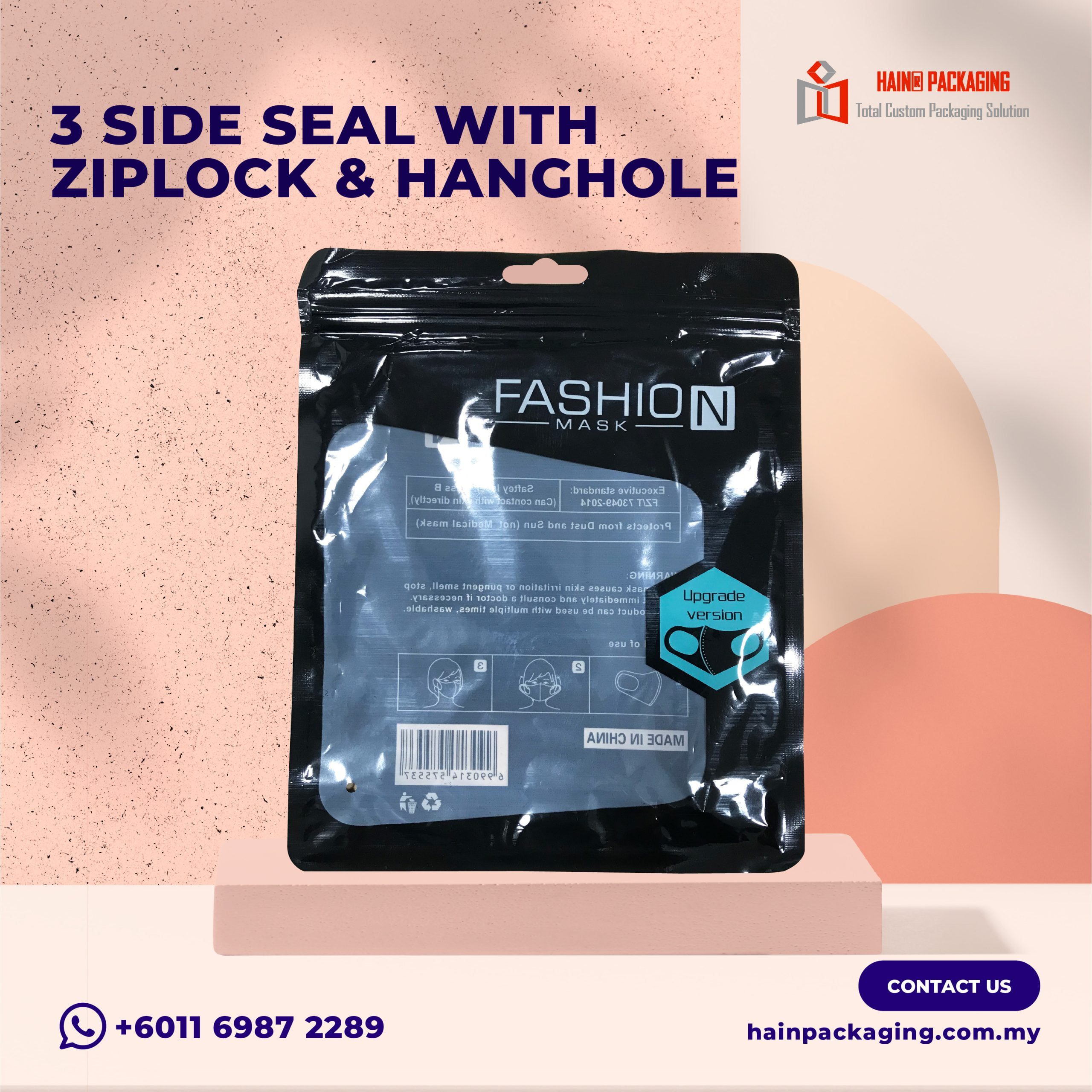
Vacuum packing is one of the few packaging decisions where the machine, the bag and the product have to be specified together. Buyers who purchase bags first and discover later that their machine pulls a different vacuum level, that the seal bar runs cooler than the film needs, or that the product punctures the bag from the inside end up buying twice. Vacuum seal bags Singapore buyers who work through the specification in the right order get a pack that holds its vacuum through storage, opens cleanly and costs less per packed unit. This guide sets the order out, from what vacuum actually achieves through to how to plan the order.
Key Takeaways
- Vacuum seal bags Singapore should be specified against the machine type first, then barrier, then size.
- Vacuum removes air from around the product. It does not sterilise anything and it does not replace temperature control.
- The machine type decides the bag type. Chamber machines and external suction machines need different bag constructions.
- Barrier, thickness and puncture resistance are three separate properties. Asking for a thicker bag does not automatically deliver any of the other two.
- Seal quality fails at the seal zone, usually because of product contamination rather than machine settings.
- Bag size drives cost more than bag specification. Right sizing is the fastest saving available.
- Count 10 to 12 weeks from deposit and artwork approval for a standard run, or 5 to 7 weeks on a rush slot, and work backwards from the date stock has to land.
The Decisions, In Order
- What vacuum does and what it does not do
- Chamber machines versus external suction machines
- Film structure: barrier, thickness and puncture resistance
- Seal width, seal quality and verification
- Sharp edges, liquids and fatty products
- Freezer, chiller and ambient storage
- Portion planning and bag size economics
- Trials, ordering and lead times
- Frequently asked questions
What Vacuum Does and What It Does Not Do
Removing air from a pack does four useful things. It reduces the oxygen available for oxidative rancidity and colour change, it suppresses the growth of aerobic spoilage organisms, it stops moisture sublimating into headspace and forming freezer burn, and it collapses the pack tightly around the product so the unit takes less space and cannot rub against itself in transit.
What vacuum does not do is make an unsafe product safe. Anaerobic conditions suit some organisms, which is why vacuum packing is always combined with a controlled temperature, a defined storage period and the product’s own formulation and handling. Buyers should confirm the food safety position for their own product with the Singapore Food Agency, and the Singapore Food Agency risk at a glance page is a useful starting point for the general principles. Treat vacuum as a quality and shelf life tool that works alongside your existing controls, never as a substitute for them.
Vacuum also does not fix a poor pack. If the film has insufficient barrier, air will return through the material after the machine releases. If the seal is weak, the pack will relax within days. If the product punctures the film from the inside, the vacuum is lost immediately. The machine creates the initial condition, and the bag has to hold it.
Chamber Machines Versus External Suction Machines
The machine type is the first decision, because it dictates the bag construction. A chamber machine places the whole open bag inside a chamber, evacuates the chamber, then seals. Because pressure is equalised inside and outside the bag, it can pull a strong vacuum and it can handle liquids and wet products without drawing them into the seal. Chamber machines generally use smooth, non-embossed bags.
An external suction machine, also called a nozzle or snorkel machine, draws air out through a nozzle placed in the bag mouth, then seals. The bag must have a channel for air to travel along, which is why these machines use embossed bags with a patterned surface on one side. Embossed bags cost more per unit than smooth bags of the same film, and the machine generally achieves a lower vacuum level than a chamber machine.
Production volume decides which makes sense. A central kitchen packing a few hundred units a day will usually run an external machine because the capital cost is low and the footprint is small. A factory running thousands of units a day will usually run a chamber machine or an automated line, because the lower bag cost and stronger vacuum pay back the capital within a reasonable period. Ask your machine supplier for the recommended bag construction in writing, then take that specification to your bag supplier rather than guessing.
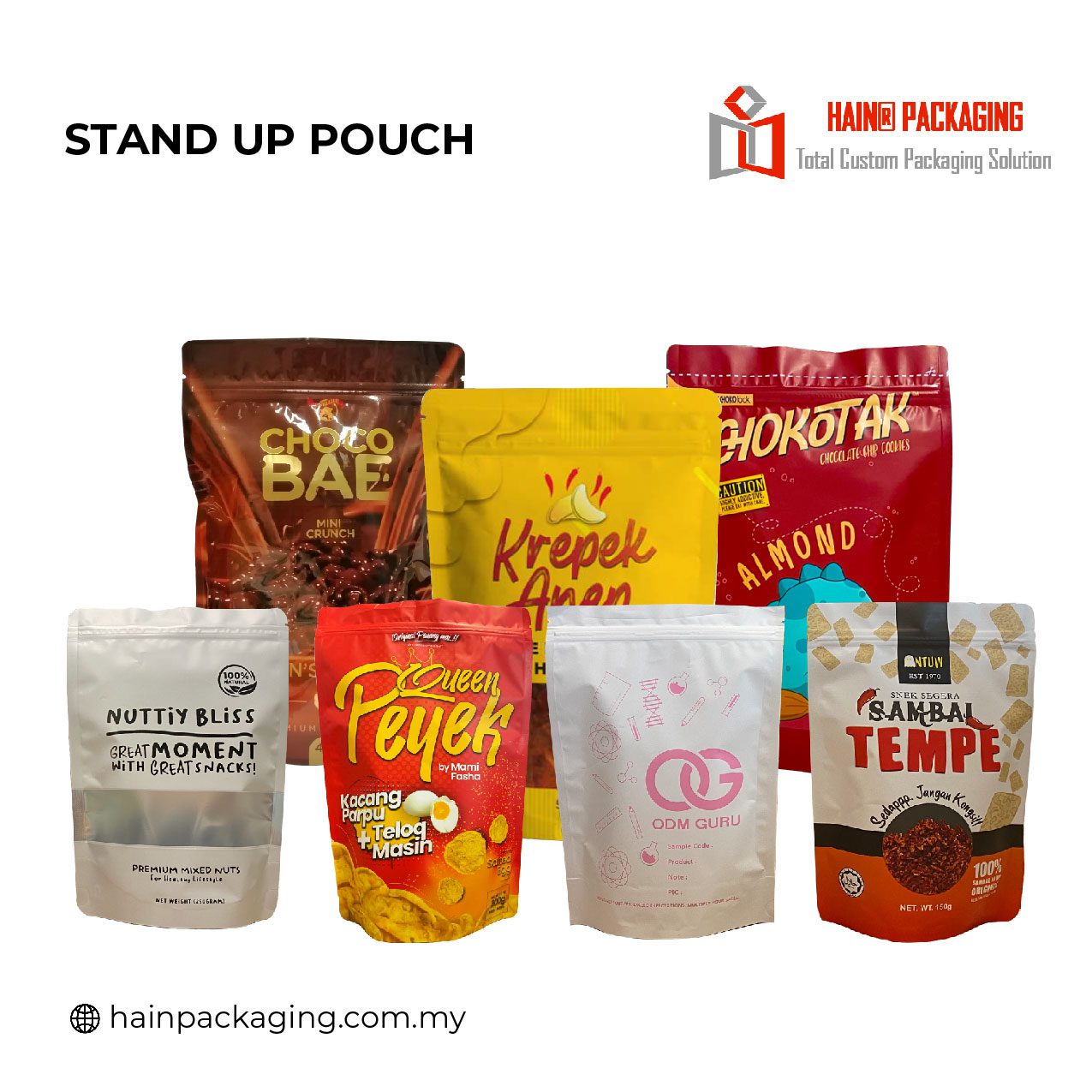
Vacuum Seal Bags Singapore: Barrier, Thickness and Puncture Resistance
Three properties are often confused, and separating them is the fastest way to fix a vacuum problem. Barrier is the rate at which oxygen and water vapour pass through the film. Thickness is the physical gauge of the material. Puncture resistance is the force needed to push something through it. A thick film can have poor barrier, and a high barrier film can be easy to puncture.
Start with barrier, set by the storage period and the product’s sensitivity. A product stored frozen for many months needs a barrier low enough that weight loss and surface oxidation stay within your acceptance limit across that period. A product turned over within days in a chiller needs far less, and paying for more is wasted money. Ask for the oxygen transmission rate and water vapour transmission rate figures for the actual structure, measured under stated conditions, and compare them rather than comparing marketing descriptions.
Then set thickness and puncture resistance from the product. Bone-in meat, shell-on seafood, hard crackers and anything with a sharp edge needs puncture resistance and usually a thicker sealant layer. Soft products do not, and over-specifying here adds cost and makes the pack stiffer and harder to handle. Where a product is genuinely sharp, consider a board sleeve or an edge guard rather than simply specifying a heavier film, because it is usually cheaper and more reliable.
The frozen food packaging Singapore guide covers how barrier choice interacts with freezer cycling, which matters because vacuum bags are most often used for frozen storage.
Seal Width, Seal Quality and Verification
The seal is where vacuum packs fail, and contamination is the usual cause. Product juice, fat, marinade, spice dust or a single grain of rice in the seal zone prevents a proper fusion between the two film faces. The result is a seal that holds during the cycle and relaxes in storage, which is the most frustrating failure mode because it passes every check at the time of packing.
Fix contamination at the process, not at the machine settings. Fill below a marked line so the seal zone stays clear. Wipe the bag mouth before loading. Where a liquid or marinade is involved, use a chamber machine, chill or partially freeze the product before packing, or use a bag with a wider seal area. Increasing temperature or dwell time to force a seal through contamination produces a brittle seal that cracks in the freezer.
Verify seals with a measurement rather than a glance. A visual check catches open seals and misses weak ones. Weigh a sample of packs at packing, then weigh the same packs after a fixed storage period to detect vacuum loss. Add a peel strength test on samples taken at the start, middle and end of each run, and record the machine settings that produce a good result as part of the product specification.
Seal width should be set from the bag size and the product weight, not chosen by eye. A wide bag holding a heavy product needs a wider seal than a small bag holding a light one. Ask your supplier for a recommended seal width for the size you are buying, and confirm that your seal bar actually delivers it, because a bar that is narrower than the specified width quietly halves the effective seal.
Sharp Edges, Liquids and Fatty Products
Sharp products are the most common cause of vacuum loss in food service. Bones, shells, dried noodles, hard vegetables and crusty edges all puncture from the inside once the film is pulled tight against them. The tighter the vacuum, the higher the risk, because the film is stretched across the sharp point. Reduce the vacuum level for these products rather than increasing film thickness, or introduce a guard.
Liquids and wet products are the second problem. On an external suction machine, liquid is drawn toward the nozzle and into the seal zone. Chilling or partially freezing the product first is the usual answer, because it stops the liquid moving during the cycle. Where that is not practical, a chamber machine handles liquids far better because pressure is equalised across the pack.
Fatty products need a different check. Fat can interact with some sealant layers over time, and surface oil makes the seal zone slippery and harder to fuse. Ask your supplier which sealant is appropriate for a high fat product, and run a storage trial on the actual product rather than a substitute, because the effect shows up after weeks rather than at packing.
Pack presentation also affects how the product is sold. A tight vacuum pack shows the product clearly, which suits a retail meat or seafood counter, while a looser pack with a header and print suits a shelf display. Decide which of the two you are selling into before artwork, because a retail counter pack needs clarity and a shelf pack needs print area, and one bag rarely does both well.
Portioning is worth planning at the same stage. A pack that is vacuum sealed and then opened for a single portion loses the vacuum for everything remaining, so a multipack of smaller vacuum units often wastes less product than one large unit, even though it uses more film. The food packaging Singapore overview sets out where a recloseable format is the better answer for a product that is used over several days.
Freezer, Chiller and Ambient Storage
Freezer storage is the hardest on a vacuum pack and the most common use. The film stiffens, the product expands slightly, and any weakness in the seal shows up immediately. Ice crystals that form inside the product grow through temperature cycling and can puncture from within. Specify for the coldest point in your chain and for the number of cycles the pack will actually experience, not for a single uninterrupted freeze.
Chiller storage is gentler on the film and harder on the biology. Because vacuum suppresses aerobic spoilage but not all organisms, chilled vacuum-packed products need a conservative storage period set by your own trials and by your food safety assessment. Put that period on the label and hold the chain to it. Where the product is cooked and chilled before packing, the cooling step usually matters more to the final result than the vacuum level does.
Ambient vacuum packing is mostly used for dry goods, where the reason is oxidation and insect protection rather than microbiology. Rice, nuts, coffee and dried goods hold well in vacuum because moisture is low and the product is stable. Barrier is the deciding property here, and the pack does not need the puncture resistance that a frozen bone-in product requires.
Singapore’s humidity affects the last step. A frozen pack taken into humid air collects condensation on the outside within minutes, and if it goes into a carton the carton will soften. Plan for condensation in the secondary pack and in any label adhesive, and check legibility after the pack has been through one thaw and refreeze cycle.
Portion Planning and Bag Size Economics
Vacuum seal bags Singapore orders are priced by area, so bag size drives cost more than any other variable. Film is sold by area, so a bag that is slightly too large costs more per unit, wastes vacuum capacity, and leaves loose film that folds into the seal or traps product. Measure the largest unit in the range, allow a working margin at the mouth for loading and sealing, and set the size from that. Most ranges need two or three sizes, not one.
Print is the second cost lever. A plain bag costs less than a printed one and can be ordered at a lower quantity, which helps a business that is still settling its range. Once volumes stabilise, printing pays for itself through brand presence and through the ability to put storage instructions and date marking on the pack rather than on a label that can fall off in the freezer.
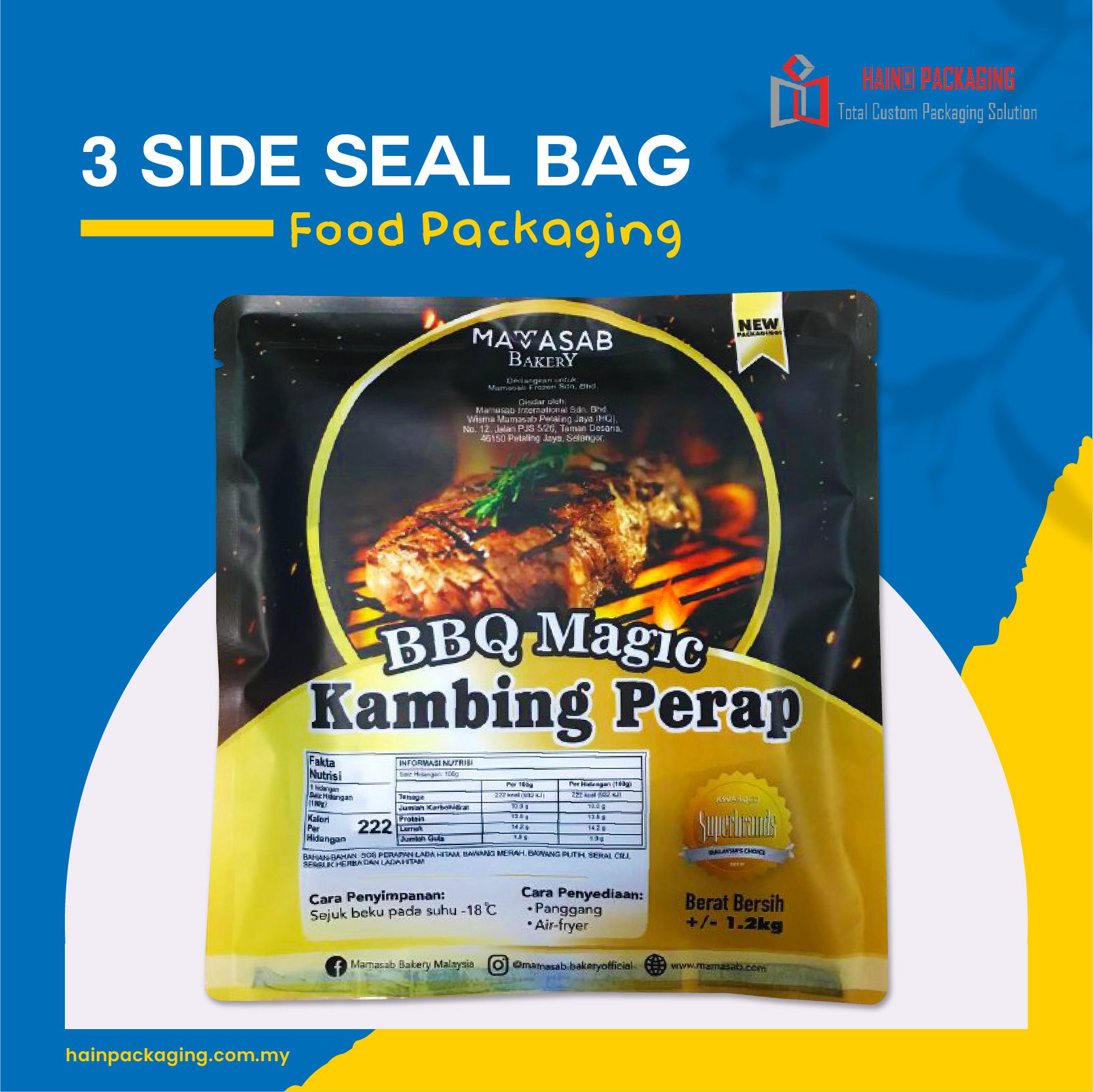
Where the product is opened and reclosed, a vacuum bag alone is not the complete answer, and a recloseable feature or a secondary recloseable bag is worth the small additional cost. Buyers comparing those options should read the resealable food pouches Singapore comparison, and the ziplock bags Singapore guide for the wider format range.
Trials, Ordering and Lead Times
Run three trials before committing. First, an empty bag trial on the machine: confirm that the machine achieves the vacuum level you expect, that the seal holds, and that the bag loads without snagging. Second, a product trial: pack the real product on the real line, store through the real cycle, then weigh and open the packs and inspect the seal. Third, a distribution trial: one full case through your actual route, with packs inspected at the far end.
Bring the machine supplier and the bag supplier into the same conversation. Most vacuum problems sit between the two, in a mismatch of seal bar width, vacuum level, cycle time and film specification. A single call with both parties present resolves in an hour what weeks of separate email cannot.
Write the outcome into a specification: machine type, bag construction and size, barrier figures, sealant type, seal width, machine settings, storage period and acceptance limits. Then work the calendar backwards, and do not let production start before you have signed off a physical sampling piece. From deposit and artwork approval, a standard run needs about 10 to 12 weeks, and a rush slot lands at 5 to 7 weeks. Sampling time, any rush surcharge and freight are quoted against each specification because they move with quantity and delivery point, so put all three in writing at quotation stage. Where a custom size or print is required, the custom ziplock bags Singapore guide explains the options.
Frequently Asked Questions
Why does my vacuum pack lose its vacuum after a few days?
In order of likelihood, for vacuum seal bags Singapore users: contamination in the seal zone, a seal bar narrower than the specified seal width, insufficient barrier for the storage period, or puncture from the product. Weigh packs at packing and again after storage to tell the first two apart from the last two.
Can I use the same bags in a chamber machine and an external machine?
Generally no. External machines need embossed bags so air can travel to the nozzle, while chamber machines usually run smooth bags. Check the bag construction your machine supplier recommends and match it exactly.
Is a thicker bag always better?
No. Thickness helps with puncture resistance but does not improve barrier, and it adds cost and stiffness. Specify barrier for the storage period and thickness for the product, and treat them as separate decisions.
How do I pack liquids without drawing them into the seal?
Chill or partially freeze the product first, use a chamber machine where possible, and leave a clear margin at the bag mouth. Wiping the mouth before sealing is a cheap habit that prevents a large share of seal failures.
Does vacuum packing extend shelf life on its own?
It extends quality life by limiting oxidation and freezer burn, but it does not make an unsafe product safe. Set the storage period from your own trials and your food safety assessment, and confirm the position for your product with the Singapore Food Agency.
Next Step
Decide the machine first, then the bag, then the size. Vacuum seal bags Singapore orders go wrong when those three are decided in the wrong order, and the cost of getting it wrong is a full reorder plus the product packed into unusable stock. Bring your machine model, product range, storage temperature and target storage period to the conversation. Talk to the HAIN packaging team about vacuum seal bags Singapore specifications, and ask for trial bags in two constructions so you can compare vacuum retention on your own machine before you commit to a production quantity.