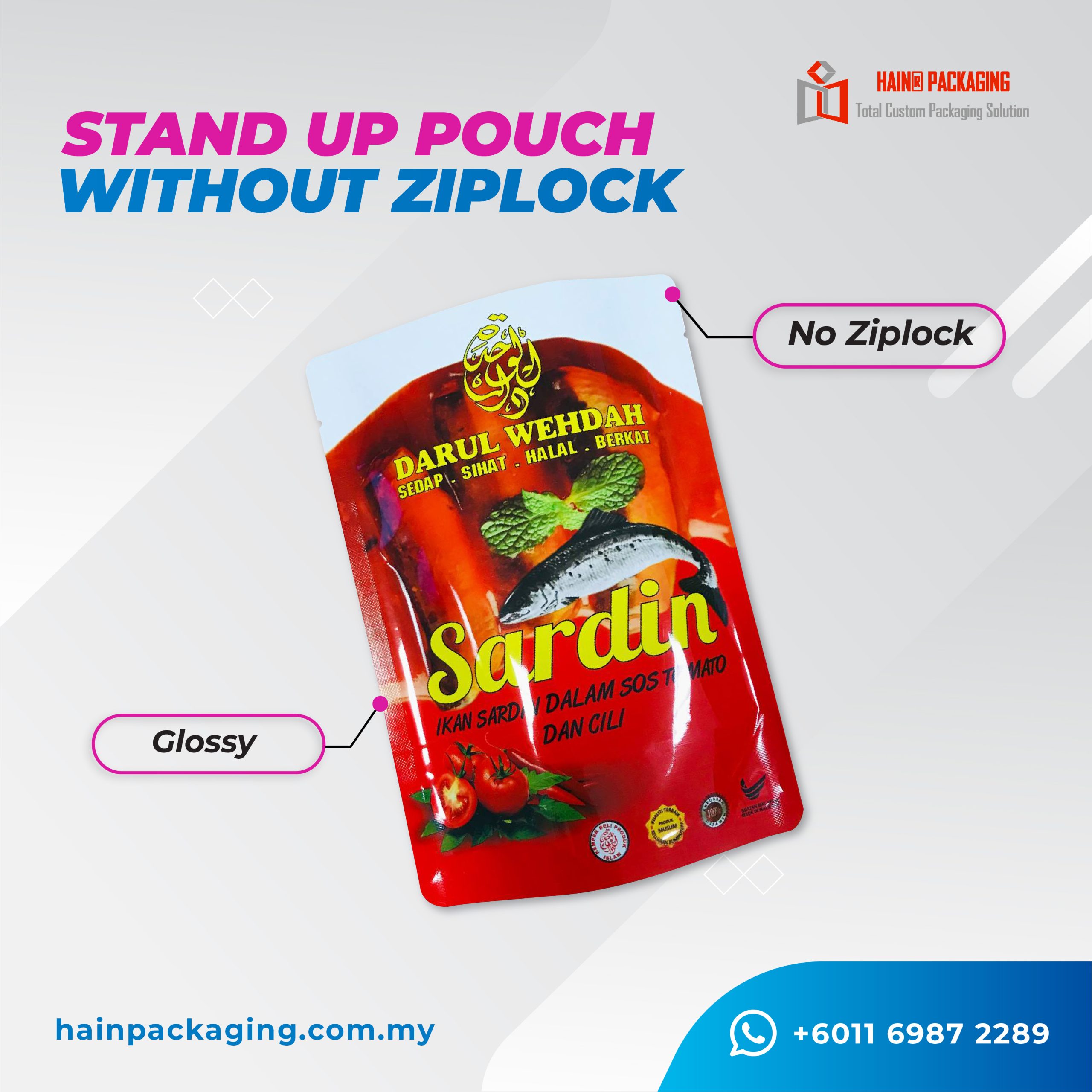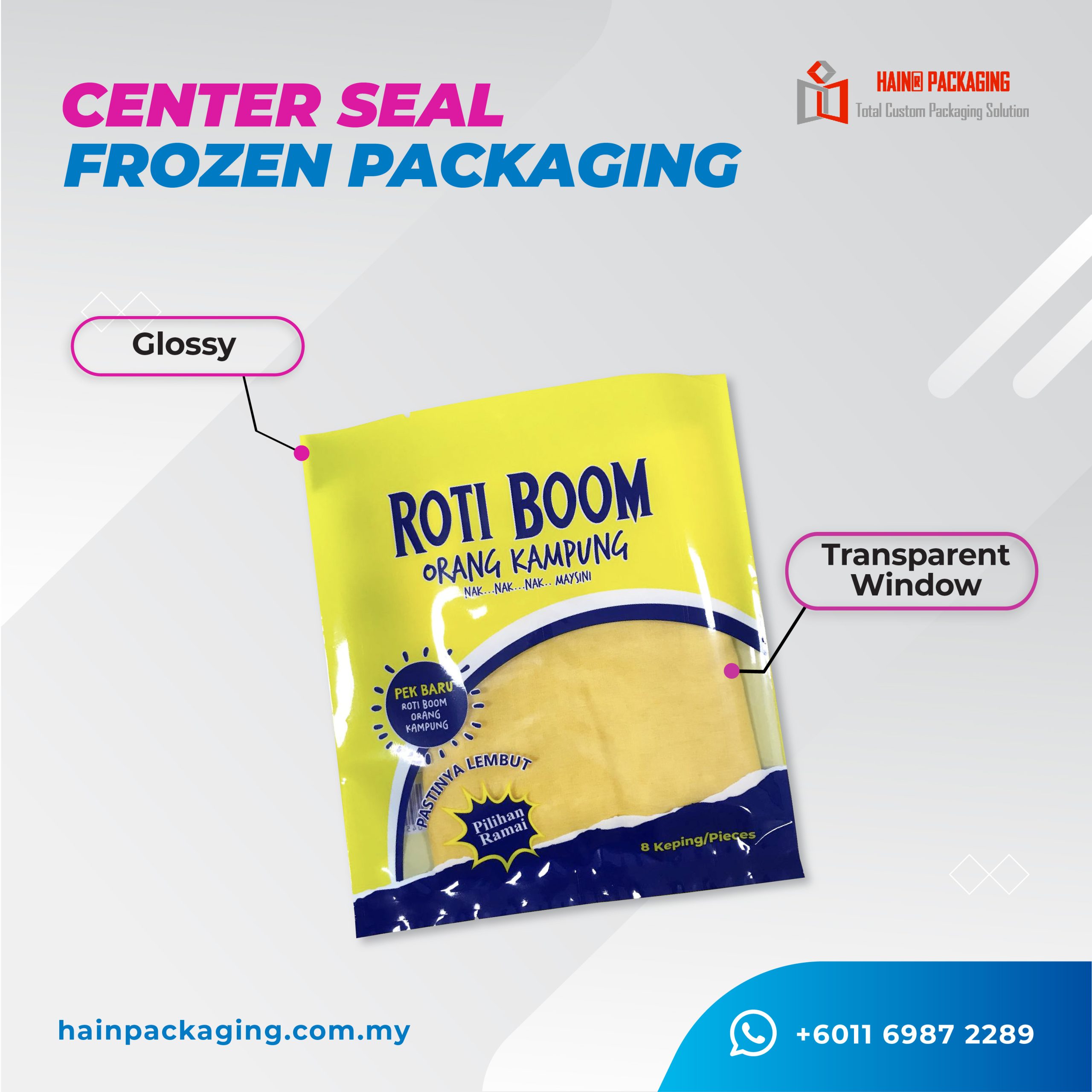

Kaya and asam pedas move through very different recipes and eating occasions. One is a smooth sweet spread that customers may open repeatedly; the other is a savoury, acidic sauce or meal component that can contain oil, liquid and solids. Planning kaya & asam pedas packaging in Singapore means following each product from filling through storage, transport, display and use. The comparison reveals where a shared pack is practical and where separate specifications are safer.
Kaya & Asam Pedas Packaging in Singapore: Compare the Product Profiles
Kaya may vary in egg content, coconut richness, sugar concentration, texture and sensitivity to heat. Asam pedas may vary in acidity, chilli oil, fish or vegetable solids, viscosity and portion size. Record the normal recipe envelope for each product. A packaging decision based on one batch can fail when production reaches the edge of that range.
Identify the first quality loss a customer would reject. Kaya may show surface change, aroma loss, separation or awkward dispensing. Asam pedas may leak, stain the seal, lose aroma or suffer damage to solids. Give each failure a severity and likelihood score so the packaging team knows what to test first.
Use the food packaging Singapore guide to review general format families before narrowing the choice.
Stage 1: Match the Pack to Filling Conditions
The chosen format must accept the actual filling temperature, speed and method. A wide opening helps manual filling but can increase material and headspace. A narrow spout may aid controlled dispensing but struggle with fibrous or chunky asam pedas. Kaya can cling to equipment and pack walls, so cutoff and deposit accuracy affect both yield and seal cleanliness.
Measure the distance between the highest normal fill and the closure. Observe splashing, stringing and product migration during a full shift. If heat sealing is used, establish an operating window through your own production trial and record temperature, pressure and dwell settings. A clean, supported seal area is essential for both products.
Stage 2: Select Protection for Flavour and Texture
Kaya and asam pedas both carry distinctive aromas, but the routes of quality loss are not identical. Oxygen and light may affect colour and flavour. Water movement can alter consistency. Oil can migrate towards seals and interact with poorly chosen surfaces. Solids can create puncture or channel risks when trapped in the closure.
Ask the supplier to describe the function of each layer rather than presenting a barrier label without context. Compare transparent, metallised and foil-containing structures on visibility, protection and disposal expectations. Confirm performance with your own shelf-life plan using real production, not a kitchen-made sample alone.
Stage 3: Decide Between Single-Use and Repeated Opening
Kaya is often consumed across multiple breakfasts, which makes clean scooping, controlled dispensing and reclosure important. Asam pedas may be portioned as a complete meal, cooking sauce or food-service component. A one-use pouch can simplify closure demands, while a larger multi-use pack can reduce the number of units but increases handling after opening.
Test the customer’s grip, opening force and ability to empty the pack. A zipper positioned too close to sticky product quickly becomes inconvenient. A tear notch that begins a crooked tear can reduce the usable opening. For serving pouches, check whether the pack stands safely after some product has been removed.
Kaya & Asam Pedas Packaging in Singapore: Stage 4 Is Transport
Singapore distribution can combine chilled storage, warm loading areas, short van journeys, parcel handoffs and crowded household bags. Challenge the pouch on every panel. Use vibration, tilt and compression tests with the actual fill. Check weak points around corners, zipper ends, gusset folds and notches.
Plan the carton around filled geometry. Flexible pouches can bow or slide, so dividers or tighter count patterns may improve stability. Avoid sharp neighbouring products. For direct delivery, add secondary containment where the consequence of a sauce leak is high.
Stage 5: Build the Retail and Storage Experience
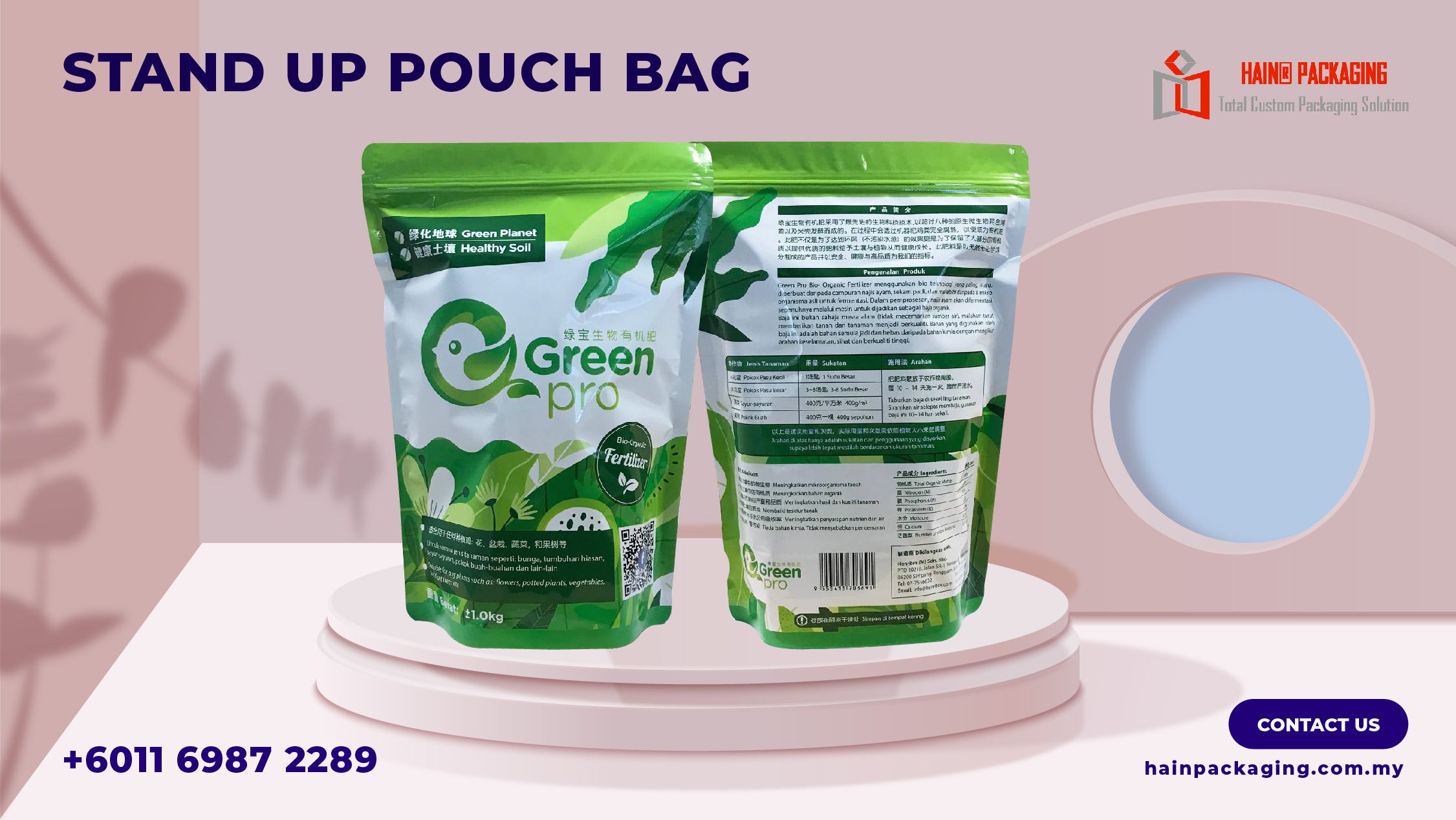
A stand-up format can create a strong display panel, but only when the base opens consistently and the fill settles as expected. A flat pouch may pack efficiently in chillers and cartons. A jar offers familiar repeated access for kaya but brings weight and breakage considerations. Compare formats against the actual channel rather than a generic premium image.
Keep artwork legible around curves and folds. Place variable date and batch information on a stable panel. If a window is used, fill samples should show whether separation, oil movement or product smearing changes the intended appearance over the stated period.
Stage 6: Connect Packaging to Food-Safety Controls
The package supports the food operation but does not determine the safe process by itself. The Singapore Food Agency provides current food risk information at sfa.gov.sg. Review official guidance and seek advice relevant to the recipe, treatment, storage and sales channel.
Document material identity, approved dimensions, artwork version, process settings and inspection results. Define the response to a leak, damaged carton or unexplained seal variation. Retained samples and batch records make investigation faster and keep a localised issue from becoming an uncontrolled assumption.
Stage 7: Compare Total Cost Per Usable Serving
Pack price should be divided by usable servings, not viewed in isolation. Include product left inside, closure rejects, secondary containment, labels, cartons, freight, storage and customer refunds. A slightly more expensive format may improve yield or reduce handling time. A larger value pack may increase waste if customers cannot close it cleanly.
| Cost driver | Kaya question | Asam pedas question |
|---|---|---|
| Usable yield | How much spread remains on walls and corners? | Do solids block complete emptying? |
| Closure | Does repeated opening stay clean? | Does sauce contaminate the seal zone? |
| Secondary pack | Is added protection needed in delivery? | What containment is needed for a leak? |
| Storage | How many units fit the intended shelf? | Can filled packs stack without pressure damage? |
| Waste | Does the portion match household use? | Does the pack match cooking or serving volume? |
Stage 8: Approve Separate Specifications Where Risks Diverge
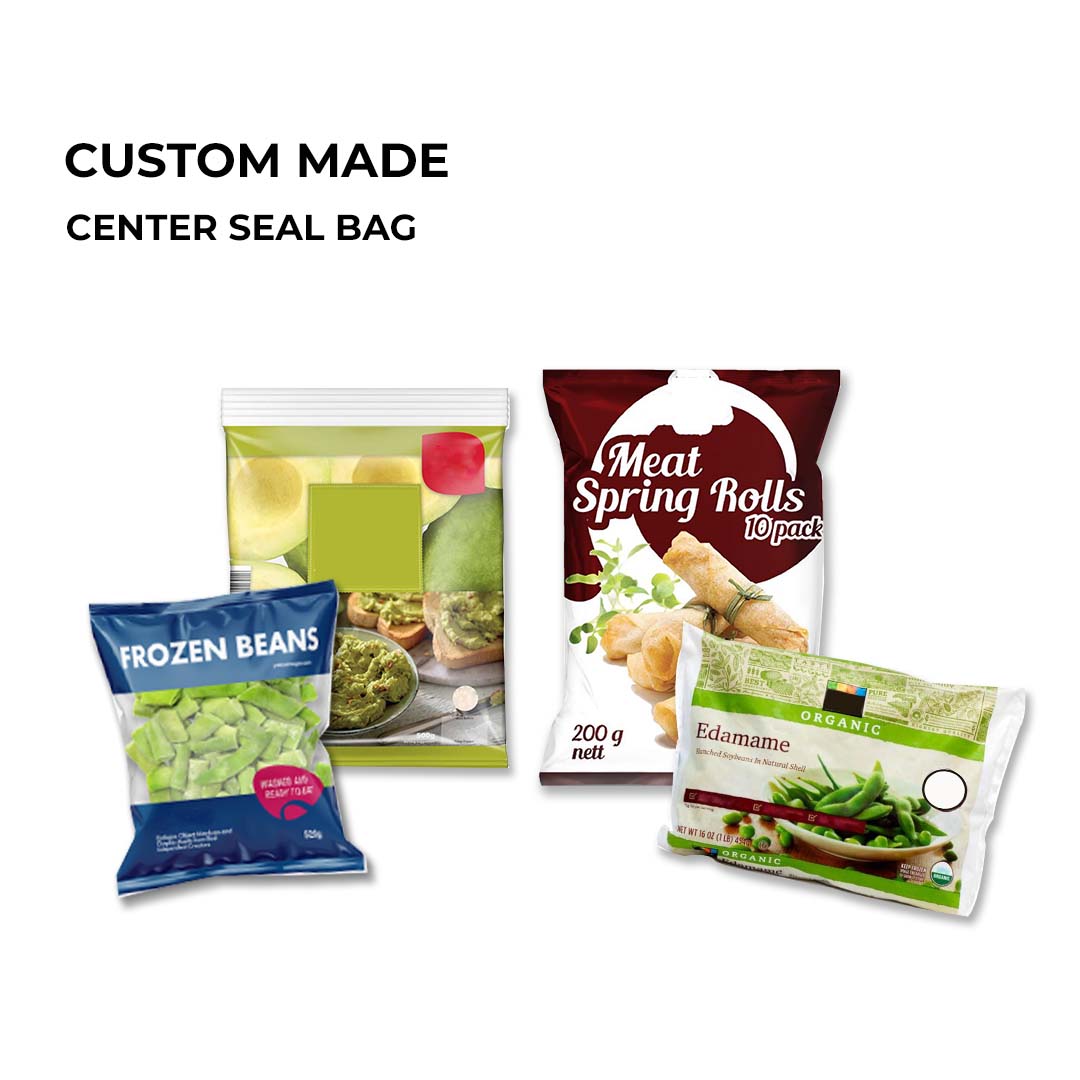
A shared pouch can reduce purchasing complexity, but only if material, size, closure and process suit both products. Do not force commonality after trials reveal different seal contamination, portion or barrier needs. Separate specifications can still share an artwork workflow, carton footprint or supplier review process.
Approve each version with a named drawing, material description, tolerance, artwork revision and filled reference sample. Use change control for recipe, supplier or process adjustments. A repeat order should reproduce an approved system, not merely a familiar-looking pouch.
Kaya & Asam Pedas Packaging in Singapore: Practical Trial Matrix
- Low and high viscosity: test the normal recipe range for filling accuracy and emptying.
- Minimum and maximum fill: inspect movement, headspace and closure pressure.
- Fresh and aged packs: review seals, aroma, appearance and opening over the intended period.
- Upright and side storage: expose different seals and folds to product contact.
- Retail and delivery routes: reproduce stacking, vibration, temperature transition and handover.
- First and repeat opening: evaluate consumer grip, mess and reclosure where relevant.
Score every test against a defined pass condition. Photographs and measurements are more useful than comments such as “looks fine”. If a test fails, change one factor and repeat it so the cause remains visible.
Frequently Asked Questions
Can kaya be packed in the same stand-up pouch as sauce?
Possibly, but shared appearance does not prove shared performance. Compare recipe contact, fill conditions, repeated opening and shelf-life needs before combining specifications.
Is a clear window useful for these products?
It can support product visibility, but it may reduce light protection and show separation or surface smearing. Evaluate a filled pack over time.
What sample should be tested first?
Begin with an unprinted sample in the proposed construction and dimensions. Confirm filling, sealing, transport and use before committing the printed production quantity.
Where can buyers compare pouch material options?
The published stand-up pouch material guide and laminated pouch overview explain common starting points.
Conclusion: Take Kaya & Asam Pedas Packaging in Singapore From Fill to Shelf
Successful kaya & asam pedas packaging in Singapore follows the products through every stage. Map recipe variation, verify filling, choose suitable protection, match portions to use, test transport, review display and calculate cost per usable serving. Share components only where evidence supports the decision, and maintain separate controlled specifications where risks diverge. A documented trial matrix gives buyers a sound basis for samples, quotations and reliable reorders.