
Plastic Bag Supplier Singapore — How to Choose the Right Packaging Partner
Finding a reliable plastic bag supplier in Singapore can feel overwhelming with so many options available. Price, quality, lead time, MOQ — there is a lot to weigh up. But the right plastic packaging bags supplier does more than just deliver poly bags; they become a strategic partner that helps your business operate smoothly.
This guide gives you a practical checklist to evaluate suppliers, plus insider tips on what separates an average supplier from an excellent one.
What to Look for in a Plastic Bag Supplier
Before you commit to a plastic bag supplier in Singapore, run through this checklist to make sure they are the right fit:
☑ Product Range
Does the supplier offer the specific type of bag you need? A well-stocked plastic packaging bags supplier should cover all common categories:
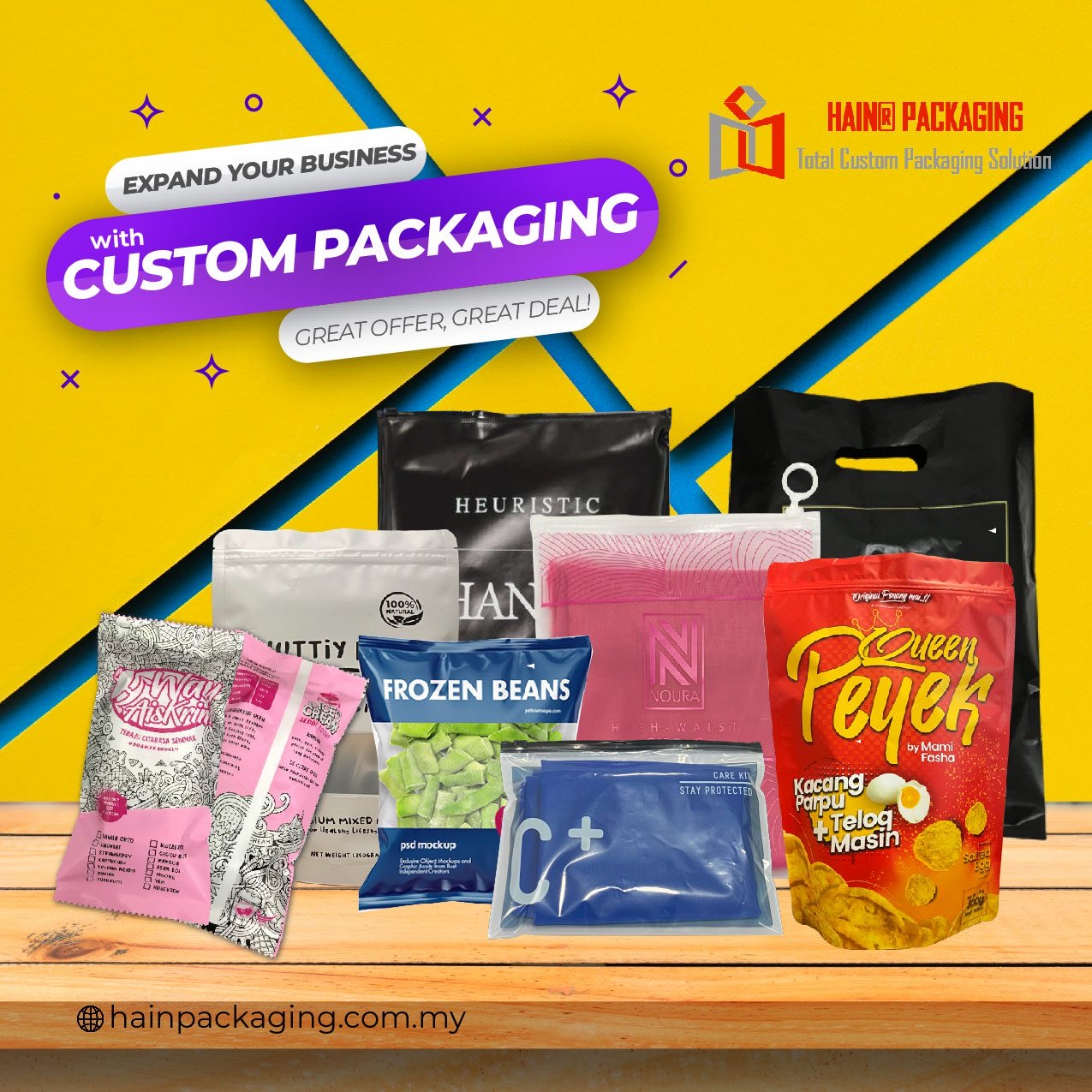
- Poly bags (plain and printed)
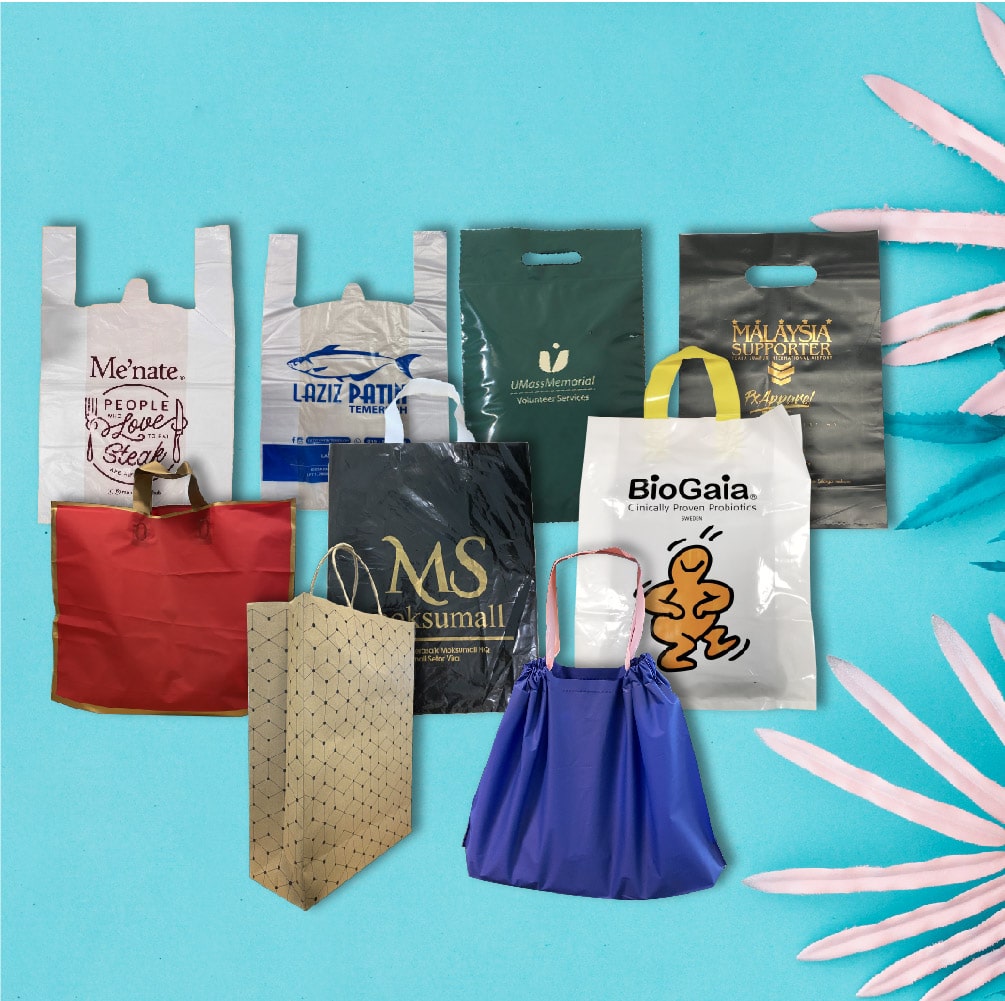
- T-shirt / singlet bags
- Die-cut handle bags
- Ziplock / resealable bags
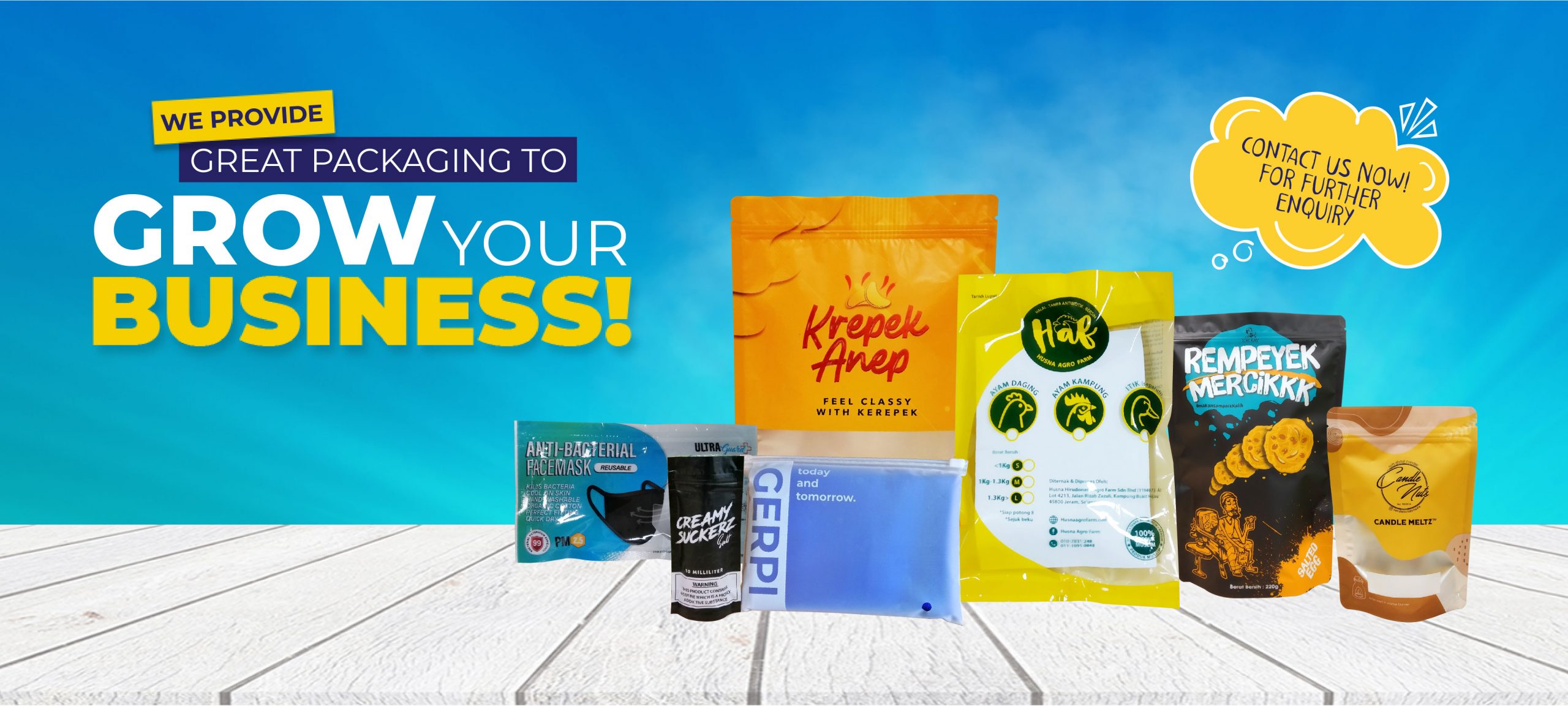
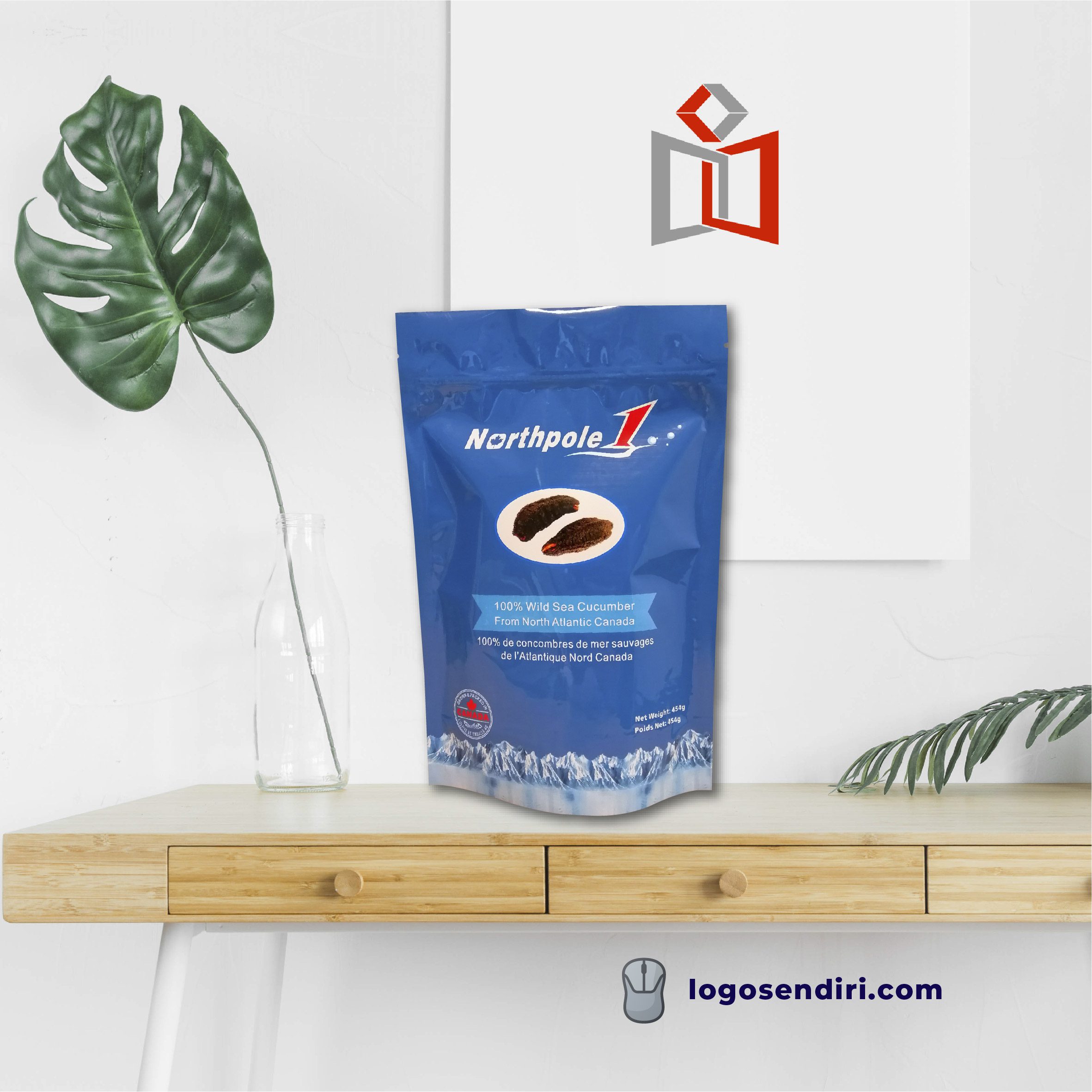
- Stand-up pouches / doypacks
- Courier / shipping bags
- Food-grade packaging
If you need multiple bag types, a supplier with a broad catalogue saves you from juggling multiple vendors. For example, many businesses that buy custom plastic bags also need courier bags and ziplock bags from the same source. For a complete walkthrough of the customisation journey, read our custom printed plastic bags guide.
☑ Material & Quality Standards
Quality consistency matters — especially for food businesses and medical applications. Ask your supplier:
- What grades of HDPE, LDPE, and PP do you stock?
- Can you provide material specification sheets or test reports?
- Do you offer food-grade certified films?
- Is your manufacturing ISO 9001 certified?
☑ Customisation Capabilities
Many businesses need more than off-the-shelf poly bags. A capable supplier should offer:
- Custom sizes (width, length, gusset, thickness)
- Custom printing with your logo and branding
- PMS / Pantone colour matching
- Special features (perforations, handles, zippers, valves)
☑ MOQ & Pricing Transparency
Minimum order quantities vary widely among suppliers. Be upfront about your budget and volume:
| Bag Type | Typical MOQ (Standard) | Typical MOQ (Custom Print) |
|---|---|---|
| Plain poly bags | No minimum (sold by pack/qty) | 5,000–10,000 pcs |
| T-shirt / singlet bags | No minimum (sold by pack/qty) | 5,000–10,000 pcs |
| Ziplock / resealable bags | 1,000+ pcs | 5,000+ pcs |
| Stand-up pouches | 1,000+ pcs | 5,000+ pcs |
| Courier / shipping bags | No minimum (sold by pack) | 5,000–10,000 pcs |
☑ Lead Time & Reliability
In Singapore’s fast-paced business environment, delayed packaging means delayed orders. Ask these questions:
- What is your standard lead time for stock items?
- How long for custom-printed orders?
- Do you offer express production for urgent orders?
- What is your order fulfilment accuracy rate?
Red Flags to Watch Out For
Not every plastic packaging bags supplier delivers on their promises. Here are warning signs that should make you think twice:
- Too-good-to-be-true pricing — Extremely low prices often mean inconsistent quality, thinner films, or hidden fees
- Vague material specifications — A reputable supplier can confidently tell you exactly what grade and micron they supply
- No physical showroom or sample policy — Always request physical samples before placing a large order
- Poor communication — Slow responses during the quote stage often predict slow responses during production
- No compliance documentation — For food or medical applications, suppliers must provide certification on request
Why Supplier Location Matters in Singapore
Choosing a plastic bag supplier in Singapore means you benefit from shorter delivery routes, easier quality inspections, and direct communication. While some businesses consider overseas suppliers for lower unit costs, local suppliers offer significant advantages:
- Same-day or next-day delivery — Critical when you run out of stock unexpectedly
- Face-to-face consultations — Bring your products in and get hands-on advice
- Singapore compliance expertise — Local suppliers understand NEA regulations, Singapore’s plastic bag charge, and food safety requirements
- Lower shipping costs — No international freight or customs clearance delays
Comparing Local vs Overseas Plastic Bag Suppliers
Singapore businesses face a choice between local suppliers and overseas manufacturers — primarily from China, Malaysia, and Vietnam. Each option has distinct advantages and trade-offs.
Advantages of Local Singapore Suppliers
Working with a Singapore-based supplier offers several important benefits. Faster turnaround times — typically 1-3 weeks versus 4-8 weeks for overseas orders including shipping. Easier communication with no language barriers or time zone differences. Lower minimum order quantities — local suppliers can often accommodate smaller runs. Immediate problem resolution — if quality issues arise, face-to-face meetings resolve them quickly. No import duties or customs clearance complications. For businesses that value speed, flexibility, and service, local suppliers provide significant advantages despite potentially higher unit costs.
When Overseas Sourcing Makes Sense
Overseas suppliers become more attractive at very high volumes (50,000+ pieces), where the per-unit cost savings from lower labour and overhead costs can outweigh the logistical challenges. Overseas sourcing is also viable for standard bag types (plain T-shirt bags, basic poly bags) where quality requirements are straightforward and lead times are flexible. However, the total cost must account for shipping, import duties, GST, customs broker fees, and the cost of carrying higher inventory levels to buffer against longer lead times and shipping delays.
Quality Risks with Overseas Suppliers
Quality inconsistency is the most common complaint with overseas bag suppliers. Without the ability to conduct regular factory visits, businesses rely on samples and remote communication. Common issues include: colour variations between sample and production, inconsistent bag dimensions, weaker seals than specified, and material substitutions without notification. Mitigating these risks requires thorough supplier vetting, clear specifications in writing, third-party inspection services, and building relationships over multiple orders.
Building a Long-Term Supplier Relationship
A reliable packaging supplier is a valuable business asset. Investing in the relationship pays dividends in better service, pricing, and priority treatment.
Clear Communication and Forecasting
Share your demand forecasts with your supplier — even rough estimates help them plan production capacity and material procurement. This is particularly important during peak seasons (Chinese New Year, Hari Raya, Christmas) when production slots fill up weeks in advance. Regular check-ins keep the relationship active and ensure your supplier understands your evolving needs.
Consolidating Your Packaging Spend
If you use multiple bag types, consolidating orders with a single supplier often yields better pricing and service. A supplier who sees your full packaging spend is more motivated to offer competitive pricing, prioritise your orders, and proactively suggest improvements. Consolidation also simplifies your procurement process — one purchase order, one delivery, one invoice.
Feedback Loops and Continuous Improvement
Share feedback with your supplier — both positive and constructive. If a bag design performs well in the market, let them know. If you notice a minor quality issue, flag it early before it becomes a pattern. Suppliers who value long-term partnerships will use this feedback to improve their processes, ultimately benefiting your business. Consider periodic business reviews to discuss performance, upcoming requirements, and opportunities for innovation.
Supplier Evaluation Checklist
Use this practical checklist when evaluating plastic bag suppliers to ensure you make an informed decision.
Quality Assurance Documentation
Request the following documents from any supplier you are seriously considering: material certifications (confirming the resin grade and origin), food safety certifications if applicable (SFA compliance for Singapore), production samples from recent orders (not just “best case” samples), quality control reports showing defect rates and inspection frequency, customer references from businesses similar to yours in size and industry, and insurance certificates covering product liability. A supplier that is reluctant to provide documentation should raise concerns.
Production Facility Assessment
If possible, visit the supplier’s production facility — or request photos and videos if an in-person visit is not practical. Look for: clean, organised production floors (indicating good management), modern equipment that is well-maintained, clear workflow and material handling processes, adequate raw material inventory to avoid production delays, and finished goods storage that protects bags from contamination and damage. A well-run facility produces consistent quality. A disorganised facility produces inconsistent quality.
Communication and Service Evaluation
Before placing a large order, test the supplier’s communication with a small trial order. Evaluate: response time to inquiries (within 24 hours is reasonable), clarity and completeness of their quotation (transparent pricing with no hidden charges), willingness to provide artwork and design feedback, proactive communication about production status and any delays, and post-delivery follow-up to confirm satisfaction. A supplier’s communication during the trial order phase is a reliable predictor of their service quality on larger orders.
Supply Chain Risk Management
Packaging supply disruptions can halt your operations. Building resilience into your packaging supply chain protects your business.
Dual Sourcing Strategy
For critical bag types that are essential to your operations, consider qualifying a secondary supplier. This does not mean splitting every order — it means having a vetted backup supplier who already understands your specifications and can step in quickly if your primary supplier faces disruption. The secondary supplier can receive a small regular order to keep the relationship active and their familiarity with your requirements current. While dual sourcing adds some administrative overhead, the risk mitigation is significant.
Safety Stock Calculation
Calculate your packaging safety stock based on: your average weekly consumption, the supplier’s standard lead time (in weeks), and your risk tolerance (typically 1.5-2x the lead time demand). For example, if you use 5,000 bags per week and the supplier’s lead time is 3 weeks, your lead time demand is 15,000 bags. Adding a 50% safety buffer gives a reorder point of 22,500 bags. Adjust these calculations for seasonal demand fluctuations and promotional periods where bag usage spikes.
Frequently Asked Questions
How do I verify a plastic bag supplier credibility in Singapore?
Start by checking their ACRA registration, ask for client references, and request product samples. If they work with established brands or have been in business for 5+ years, that is a strong indicator of reliability.
Can I mix different bag types in one order?
Many plastic packaging bags suppliers allow combined orders, especially for custom-printed items under the same print setup. This can help you hit MOQ thresholds while diversifying your bag types.
What payment terms do Singapore packaging suppliers offer?
Most suppliers accept bank transfer, PayNow, and credit card. For regular corporate clients, many offer 30-day net terms after establishing a track record.
Ready to Find Your Packaging Partner?
The right plastic bag supplier in Singapore can streamline your operations, improve your brand image, and save you money in the long run. Whether you need plain poly bags for daily use or fully custom-printed packaging, take the time to evaluate suppliers against the checklist above.
Get in touch with us to discuss your packaging needs. We will help you find the perfect solution for your business, from standard stock items to fully customised options.
Why Choose HAIN Packaging for Your Custom Bags
With over a decade of experience serving businesses across Singapore and Malaysia, HAIN Packaging has become a trusted name in custom plastic bag manufacturing. Here is what sets us apart from other suppliers.
Local Expertise: We understand Singapore’s regulatory environment, business culture, and customer expectations. Our team provides personalised service with fast response times and no language barriers.
Quality Commitment: Every bag we produce undergoes rigorous quality checks — from raw material inspection to final dimensional verification. We stand behind our products and address any quality concerns promptly.
Flexible Order Quantities: Whether you need 1,000 pieces for a market test or 100,000 pieces for a nationwide rollout, we have the right printing technology and production capacity to serve you efficiently.
End-to-End Service: From design consultation and artwork review to production and delivery, we handle every step in-house. This integrated approach eliminates the coordination headaches that come with using multiple vendors.
Contact our team today at [email protected] to discuss your custom printed bag requirements. We will provide a detailed quotation within 24 hours and guide you through every step of the process.
📞 +60 11-6987 2289 | 📧 [email protected]