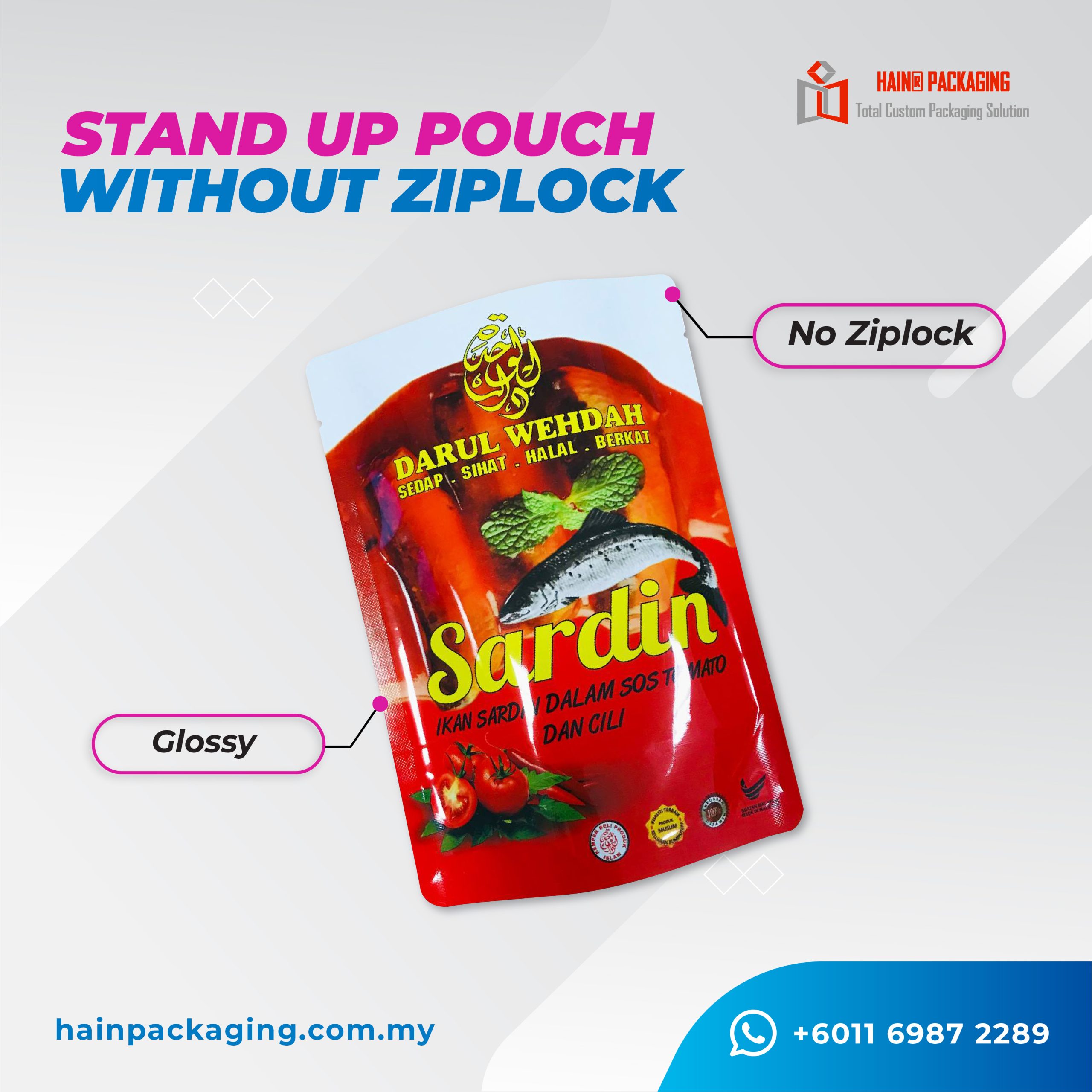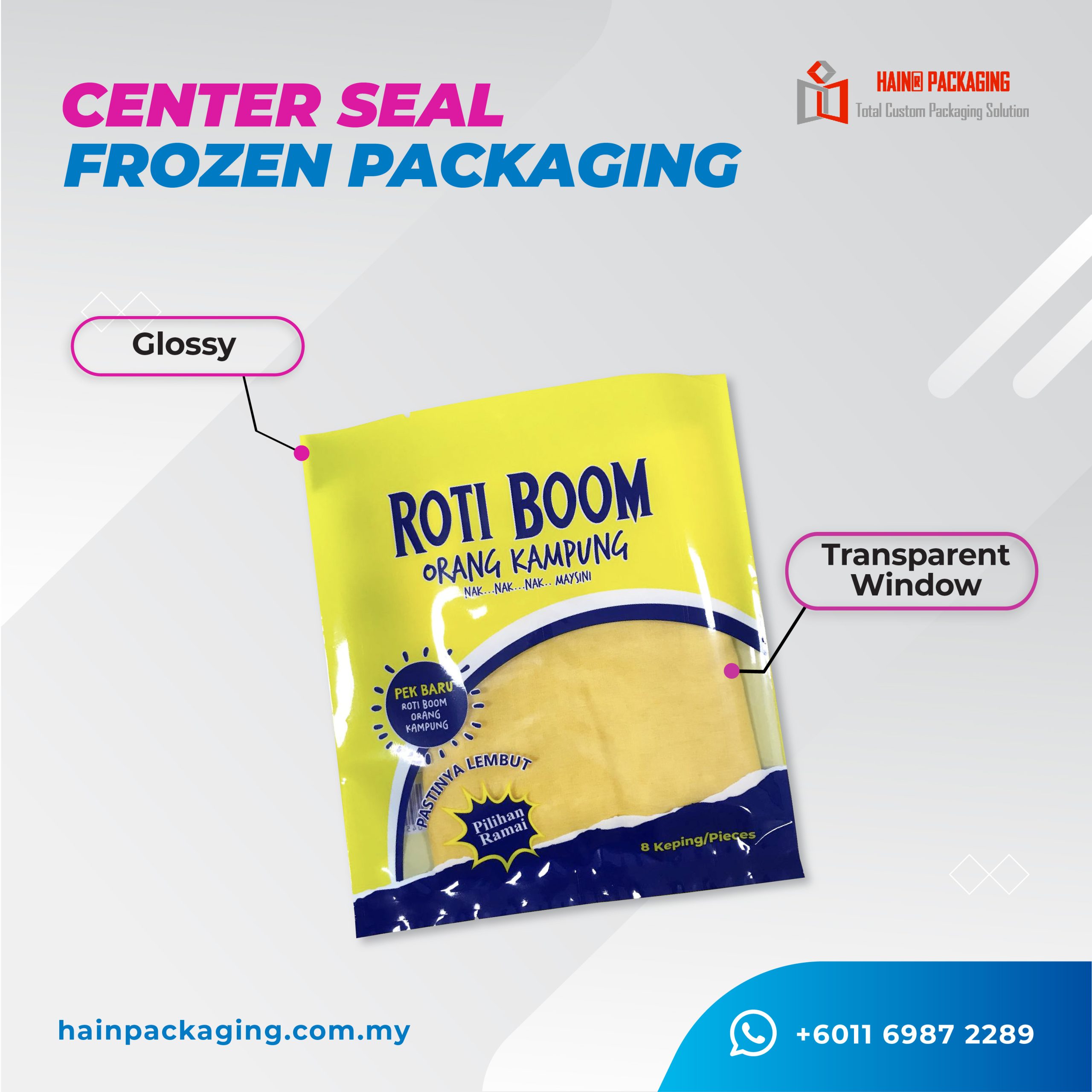

Two film families cover most of the flexible plastic bags used across Singapore retail, food service and light industry: polyethylene and polypropylene. Buyers usually meet them as trade names first (HDPE, LDPE, LLDPE, BOPP, OPP, CPP) and only later find out that those trade names sit inside two different polymer groups. Choosing between polyethylene and polypropylene bags comes down to four practical questions: how the film feels in the hand, how it seals on your equipment, how it takes print, and how it behaves after a week in a humid store room.
Polyethylene and Polypropylene Bags: Where the Difference Starts
Polyethylene is built from ethylene monomers, and the grades you meet in packaging are mostly HDPE, LDPE and LLDPE. Polypropylene is built from propylene monomers, and it reaches the market as cast polypropylene (CPP), oriented polypropylene (OPP) and biaxially oriented polypropylene (BOPP). The backbone difference drives everything else. Polyethylene is softer, stretches further before it tears, and seals at a lower temperature. Polypropylene is stiffer, clearer, more resistant to grease, and it holds its shape at temperatures where polyethylene starts to soften.
That last point matters more in Singapore than buyers expect. A film that softens in a hot delivery van or under a warehouse roof near the loading bay will stretch at the seal and lose its shape on shelf. If your product travels through ambient heat before it reaches a chiller, the melt point of the film becomes a packing specification rather than a curiosity.
Packaging choice also sits inside a wider waste conversation. The National Environment Agency publishes its 3R programmes and resources for businesses at nea.gov.sg, and that page is a sensible reference when you weigh material selection against disposal expectations and reporting duties.
What Polyethylene Delivers on the Packing Line
Polyethylene is the forgiving film of the two. LDPE feels soft and slightly waxy, drapes around irregular product shapes, and seals reliably over a wide temperature window. HDPE is thinner, stiffer and rustles when you move it, which is exactly why it became the standard supermarket carry bag and the standard liner for damp or chilled goods. LLDPE adds puncture resistance and is the usual answer when a bag has to survive sharp edges, bones or frozen corners.
Moisture barrier is the shared strength of the polyethylene family. Water vapour does not move through these films easily, so chilled and frozen product keeps its weight and its texture for longer. The weakness is gas barrier: oxygen passes through polyethylene at a rate that limits shelf life for anything fat-rich or aroma-sensitive. If your product is a dry snack with a long ambient shelf life, polyethylene on its own will not protect the flavour for as long as you want.
Our separate guides on HDPE plastic bags and LDPE plastic bags go deeper into each grade, including where the thickness sweet spot usually sits for retail and food service.
What Polypropylene Brings to the Same Job
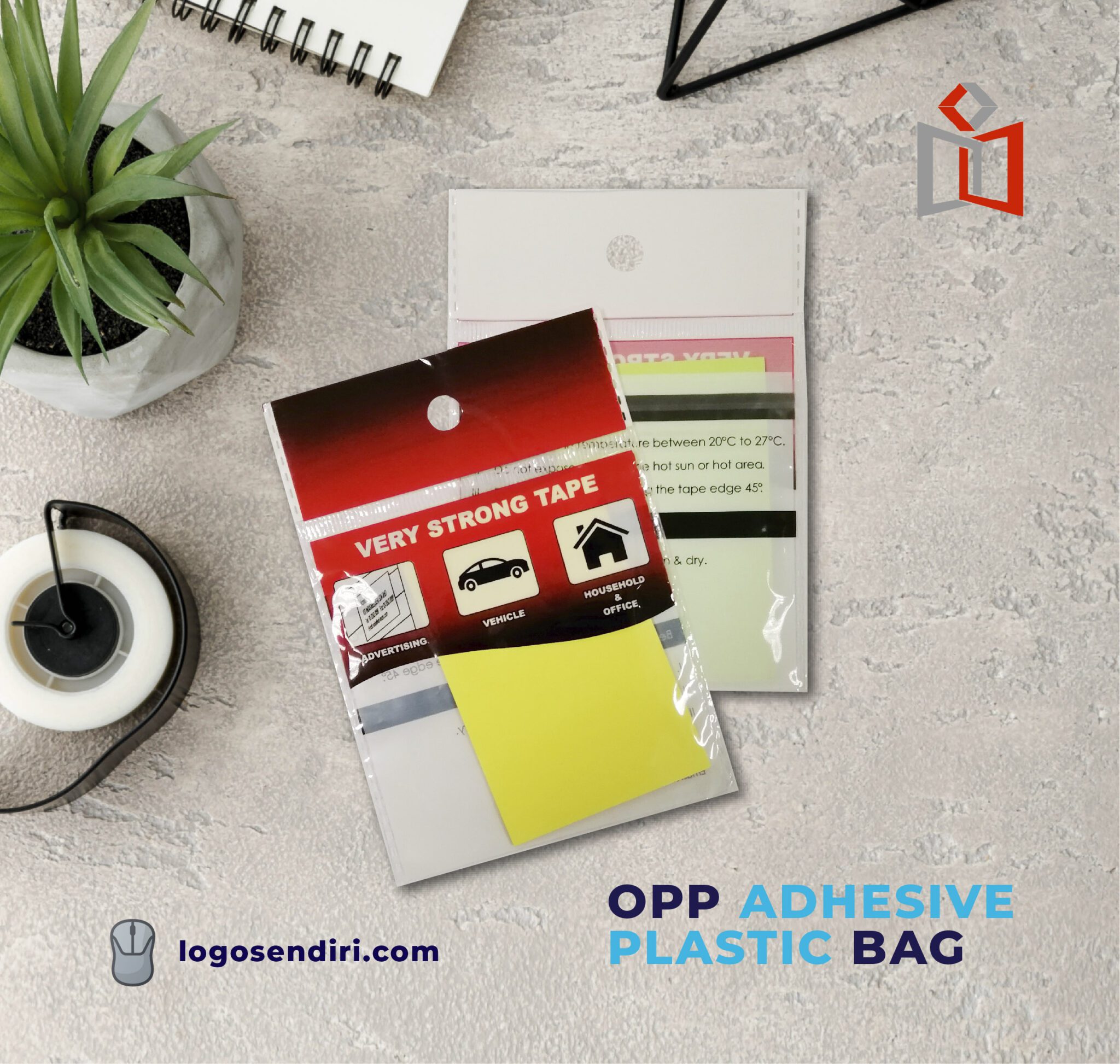
Polypropylene is the presentation film. BOPP has high clarity and a natural gloss, so print sits crisply on it and the product inside stays visible. It resists grease, which is why biscuit, bakery and confectionery lines lean on it. CPP tolerates higher temperatures and is often the inner sealing layer in laminated structures that have to survive a hot fill or a thermal process.
The trade-offs are stiffness and cold behaviour. Polypropylene creases rather than folds, and a sharp crease can turn into a crack along the fold line, particularly in a chilled environment. It also has a narrower sealing window, which means your heat sealer needs to be set correctly and held there. If your packing team runs old or uncalibrated equipment, polyethylene will be the more forgiving choice.
Polyethylene and Polypropylene Bags Compared Property by Property
The table below is the short version of what buyers ask us most often. Treat the numbers as direction of travel rather than specification limits, because every film maker blends and modifies its own grades.
| Property | Polyethylene (HDPE / LDPE / LLDPE) | Polypropylene (BOPP / OPP / CPP) |
|---|---|---|
| Hand feel | Soft, waxy, drapes easily | Crisp, stiff, holds a fold line |
| Clarity | Translucent to milky | High clarity and gloss |
| Stretch before tear | High, especially LLDPE | Lower, tears once initiated |
| Sealing window | Wide, forgiving | Narrower, needs control |
| Temperature tolerance | Softens earlier | Holds shape at higher heat |
| Moisture barrier | Strong | Strong |
| Grease resistance | Moderate | Strong |
| Cold behaviour | Stays flexible in the freezer | Can crack at a sharp crease |
| Print surface | Needs surface treatment | Takes print well after treatment |
| Typical use | Carry bags, liners, frozen goods | Display bags, bakery, laminated webs |
Matching Polyethylene and Polypropylene Bags to Real Applications
Frozen food and chilled protein go to polyethylene almost every time, because the film stays flexible at low temperature and the seal survives handling with wet gloves. Bakery, biscuits and confectionery go to polypropylene when shelf presentation and grease resistance matter more than impact strength. Garment and accessories packing sits in the middle: crisp presentation favours polypropylene, while bulky or irregular items favour the drape of polyethylene.
Industrial and agricultural sacks are a third case entirely. Heavy, abrasion-prone contents usually end up in a thicker polyethylene bag because the film absorbs the abuse without splitting, and because the lower material cost per kilogram keeps large formats affordable.
Printing, Sealing and Storage Notes for Singapore Conditions
Both films need surface treatment before ink will anchor, and both lose that treatment over time. A bag printed three months after the film was made may need a fresh corona pass, which is one reason we ask for artwork and film age together at quotation stage. On the sealing side, polyethylene forgives a slightly wrong jaw temperature, while polypropylene shows the error immediately as either a weak seal or a burnt, shrivelled one.
Storage is the quiet failure point. Film stored near a roller door, on a mezzanine, or beside a compressor will age faster than film kept in a cool internal store. Roll stock that has been sitting in ambient heat for months often seals differently from a fresh batch, and the symptom is usually blamed on the machine rather than the warehouse.
Specification Checklist Before You Request a Quote
Bring these seven items to the first conversation and you will get a usable price on the first pass rather than the third:
- Film family and grade, for example LDPE versus BOPP, or “whichever you recommend” if you want options.
- Thickness in micron, which our plastic bag thickness guide explains in detail.
- Flat or gusseted dimensions, plus whether the bag is a carry format or a liner.
- Seal type and seal strength target, especially if the bag is filled hot.
- Print coverage and colour count, because plate and cylinder cost scales with colour.
- Food contact requirement, so the right material declaration is supplied with the order.
- Quantity and re-order rhythm, since unit price and lead time both move with volume.
Polyethylene and Polypropylene Bags: Frequently Asked Questions
Can I switch a product from polyethylene to polypropylene without changing my machine?
Sometimes, but not always. The seal jaws usually need a higher temperature and a shorter dwell for polypropylene, and a machine that cannot hold that setting will produce inconsistent seals. Ask for a trial roll before committing to a full run.
Which film is better for a product that goes into a freezer?
Polyethylene. It stays flexible at freezer temperature, while polypropylene becomes more brittle and can crack along a fold.
Is one of the two cheaper?
Polyethylene is usually cheaper per kilogram, but the comparison is misleading because polypropylene is often used thinner for the same stiffness. Compare cost per finished bag, not cost per kilogram of resin.
Do you supply a material declaration with the order?
Yes. We supply a material declaration and batch identification with each production run so that your own quality records have something to reference.
Conclusion
Polyethylene and polypropylene bags are not interchangeable, and the fastest way to settle the question is to name the condition that will kill your product first. If that condition is cold handling, impact or moisture loss, polyethylene wins. If it is heat, grease or shelf presentation, polypropylene wins. Send us the product, the fill temperature and the storage route, and we will quote both options side by side so the decision is made on your numbers rather than on a rule of thumb. To start, browse the full range of custom plastic bags or message us on WhatsApp for a same-day quotation.