
HDPE Plastic Bags Singapore — High-Density Polyethylene Solutions
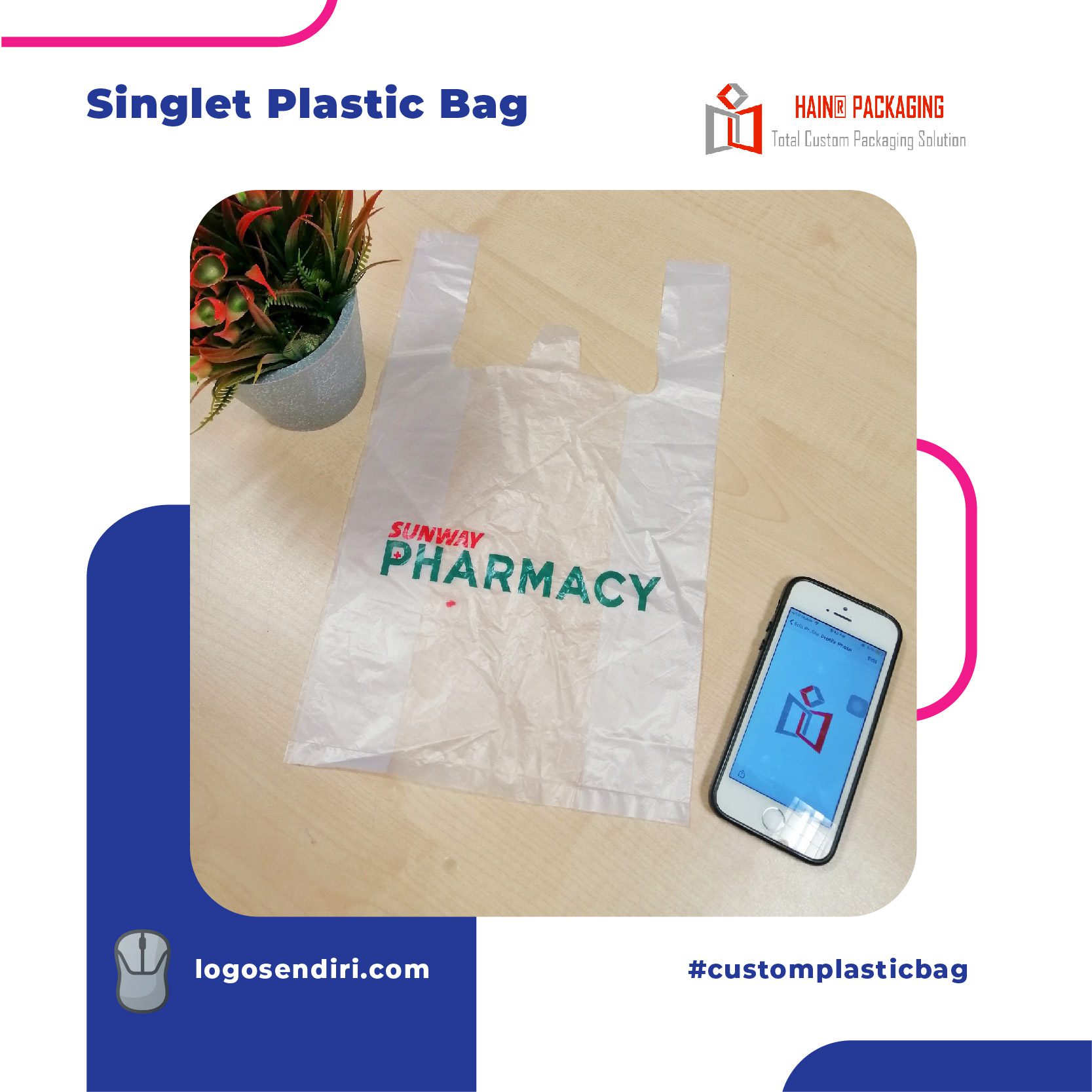
When you need a plastic bag that balances strength, cost, and reliability, high-density polyethylene (HDPE) is the material of choice for thousands of Singapore businesses. HDPE plastic bags Singapore are widely used across retail, food service, and industrial sectors because they resist tearing, handle heavy loads, and cost less than alternatives. This guide covers everything you need to know about selecting and using HDPE bags for your Singapore operation.
For more on vy-duty-plastic-bags-singapore/”>heavy duty
What Is HDPE Plastic? in Singapore with Hdpe plastic bags singapore
HDPE (High-Density Polyethylene) is a thermoplastic polymer made from petroleum. Its molecular structure is tightly packed, giving it a higher density than other plastic film materials. The result is a bag that feels stiff and produces a characteristic rustling sound when handled. HDPE is one of the most common plastic bag materials globally and is widely recycled in Singapore’s blue recycling bins.
Key Properties of HDPE Plastic Bags
- High tensile strength — resists tearing and puncturing under heavy loads
- Chemical resistance — unaffected by acids, alkalis, and most solvents
- Moisture barrier — keeps liquids and humidity out effectively
- Lightweight — adds minimal weight to packaged goods
- Temperature tolerant — performs from -40°C to 110°C
- Recyclable — accepted in Singapore’s standard plastic recycling stream
Common thicknesses and Gauges Available
HDPE bags are specified by gauge or micron (μm). Here are the typical options available in Singapore:
| Thickness | Microns (μm) | Best For |
|---|---|---|
| Light duty | 8–12 μm | Grocery produce, bakery items |
| Medium duty | 15–20 μm | Retail clothing, general merchandise |
| Heavy duty | 25–30 μm | Hardware, industrial parts, electronics |
| Extra heavy duty | 35–50 μm | Construction materials, heavy machinery parts |
Applications in Singapore
Retail and Fashion
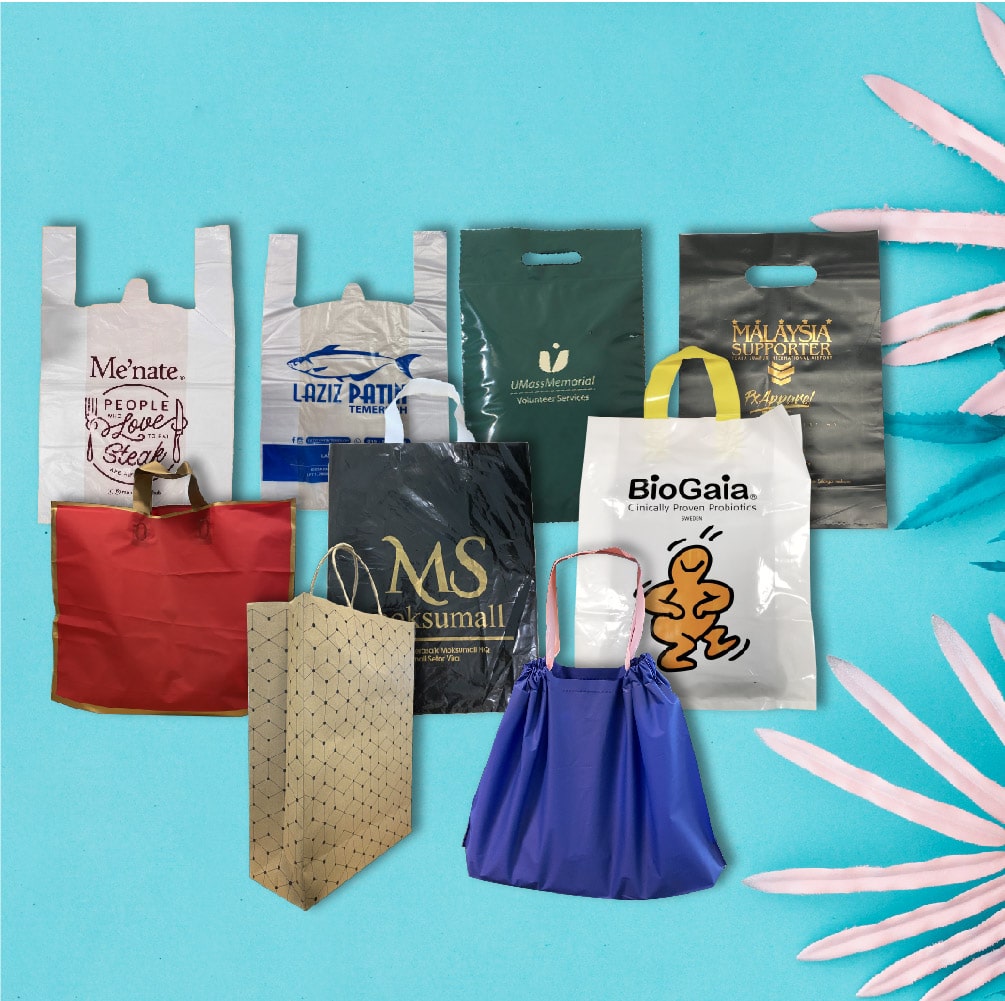
Most fashion retailers in Singapore use HDPE carrier bags for in-store purchases. Their stiffness makes them ideal for hanging on display hooks, and they accept screen printing or heat-transfer logos well. A standard boutique bag in light-duty HDPE provides adequate strength for clothing items without unnecessary bulk.
Food Service and F&B
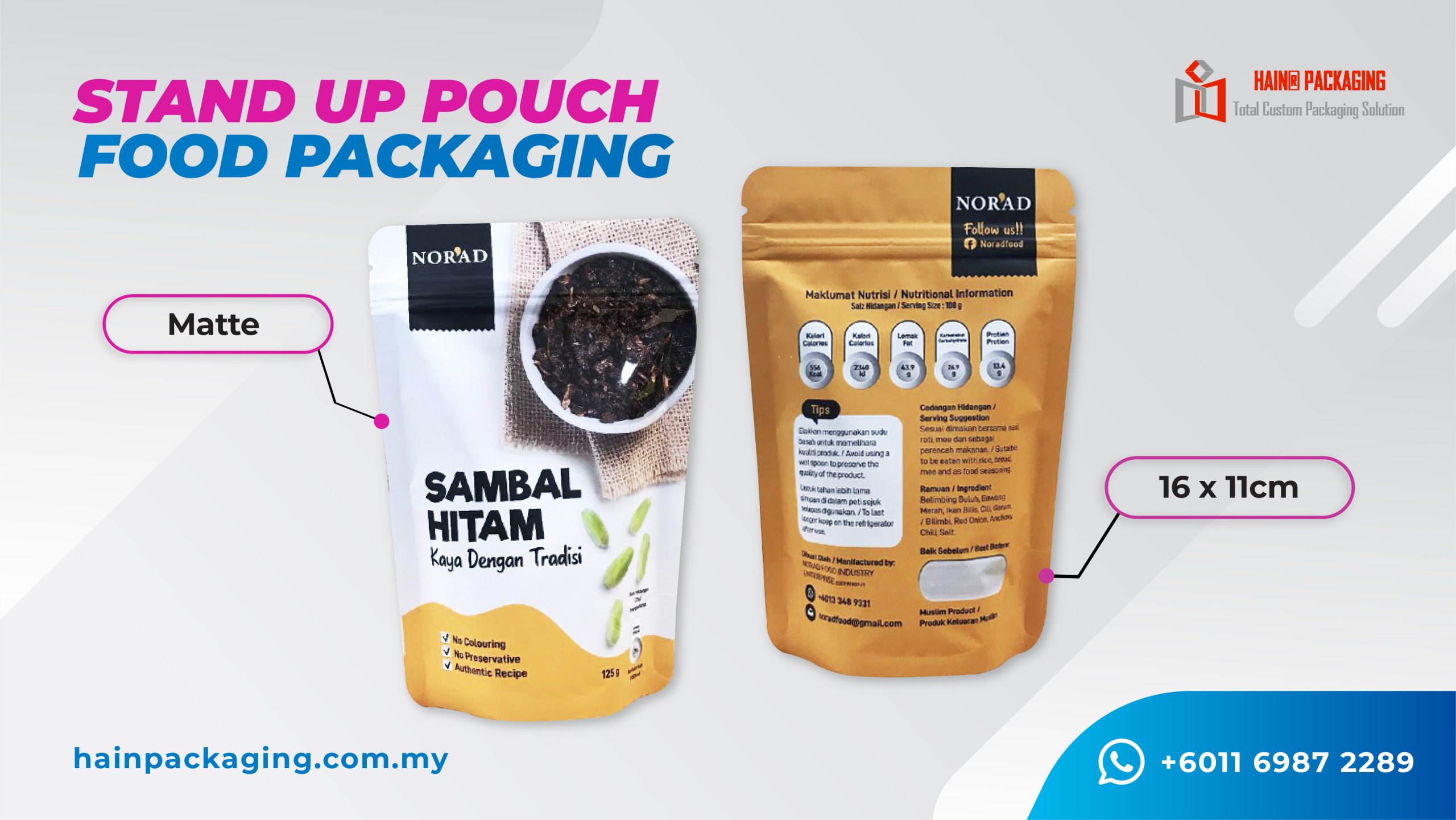
HDPE bags are popular in Singapore’s hawker centres and food courts for packing dry and wet food. Food-grade HDPE bags comply with Singapore’s food safety regulations and are commonly used by caterers, bakeries, and ghost kitchen operators. Always verify that the bags you purchase are certified food-safe for direct food contact.
Pharmacy and Healthcare
Singapore pharmacies and clinics rely on HDPE bags for prescription packaging. The material’s chemical resistance ensures that medicines remain uncontaminated, and the opaque option provides privacy for sensitive health products. HDPE bags with child-resistant zippers are available for pharmaceutical applications.
Industrial and Warehouse Use
Heavy-duty HDPE bags are used in Singapore’s manufacturing and logistics sector for packaging components, spare parts, and hardware. Their tear resistance reduces product damage during transit, and their moisture barrier protects sensitive electronics and precision instruments.
HDPE vs LDPE: A Quick Comparison
If you’re deciding between HDPE and LDPE plastic bags, here’s what matters: HDPE bags are stiffer, stronger under stress, and more cost-effective per unit at equivalent thickness. LDPE bags offer greater flexibility, better clarity, and softer feel — ideal for packaging where the product needs to be seen through the bag.
Regulatory Compliance in Singapore
All plastic bags sold in Singapore must comply with the Environmental Public Health Act and National Environment Agency (NEA) guidelines. Food-grade HDPE bags must meet Singapore Food Agency (SFA) standards for direct food contact. If you are a business operating in Singapore, always request a material safety data sheet (MSDS) and food safety certification from your supplier to ensure compliance.
Sourcing HDPE Plastic Bags in Singapore
At HAIN Packaging, we supply a full range of HDPE bags in Singapore to businesses across retail, F&B, pharmaceutical, and industrial sectors. Our team can help you select the right gauge, size, and print configuration for your application. We offer custom printing from as low as 1,000 units and provide food-grade options for F&B operators.
For official Singapore packaging regulations and waste reduction guidelines, visit the National Environment Agency (NEA) Singapore.
Frequently Asked Questions
What does HDPE stand for in plastic bags?
HDPE stands for High-Density Polyethylene. It is a type of plastic polymer known for its high strength-to-density ratio, making it ideal for bags that need to carry heavy or sharp items without tearing.
Are HDPE bags food safe in Singapore?
Yes, food-grade HDPE bags are safe for direct food contact and comply with Singapore Food Agency (SFA) standards. Always confirm with your supplier that the bags carry food-grade certification before using them with edible products.
Can HDPE bags be recycled in Singapore?
Yes. HDPE is one of the most widely recycled plastics in Singapore. Bags made from HDPE (typically coded as #2) can be placed in the blue recycling bin, provided they are clean and dry. Remove any food residue before recycling.
How do I choose the right thickness for HDPE bags?
Light-duty bags (8–12 μm) work for grocery and bakery items. Medium-duty (15–20 μm) suits retail and clothing. Heavy-duty (25–30 μm) is best for hardware and electronics. If in doubt, choose one gauge thicker than your estimated load to build in a safety margin.
Are HDPE bags waterproof?
HDPE bags provide an excellent moisture barrier and are waterproof. They are suitable for packaging wet foods, protecting electronics from humidity, and outdoor storage in Singapore’s humid climate.
What is the difference between HDPE and LDPE plastic bags?
HDPE bags are stiffer, stronger per unit of thickness, and produce a rustling sound. LDPE bags are more flexible, transparent, and feel softer to the touch. HDPE is generally more cost-effective; LDPE is preferred when clarity or flexibility is more important than raw strength. For a detailed comparison, see our HDPE vs LDPE guide.