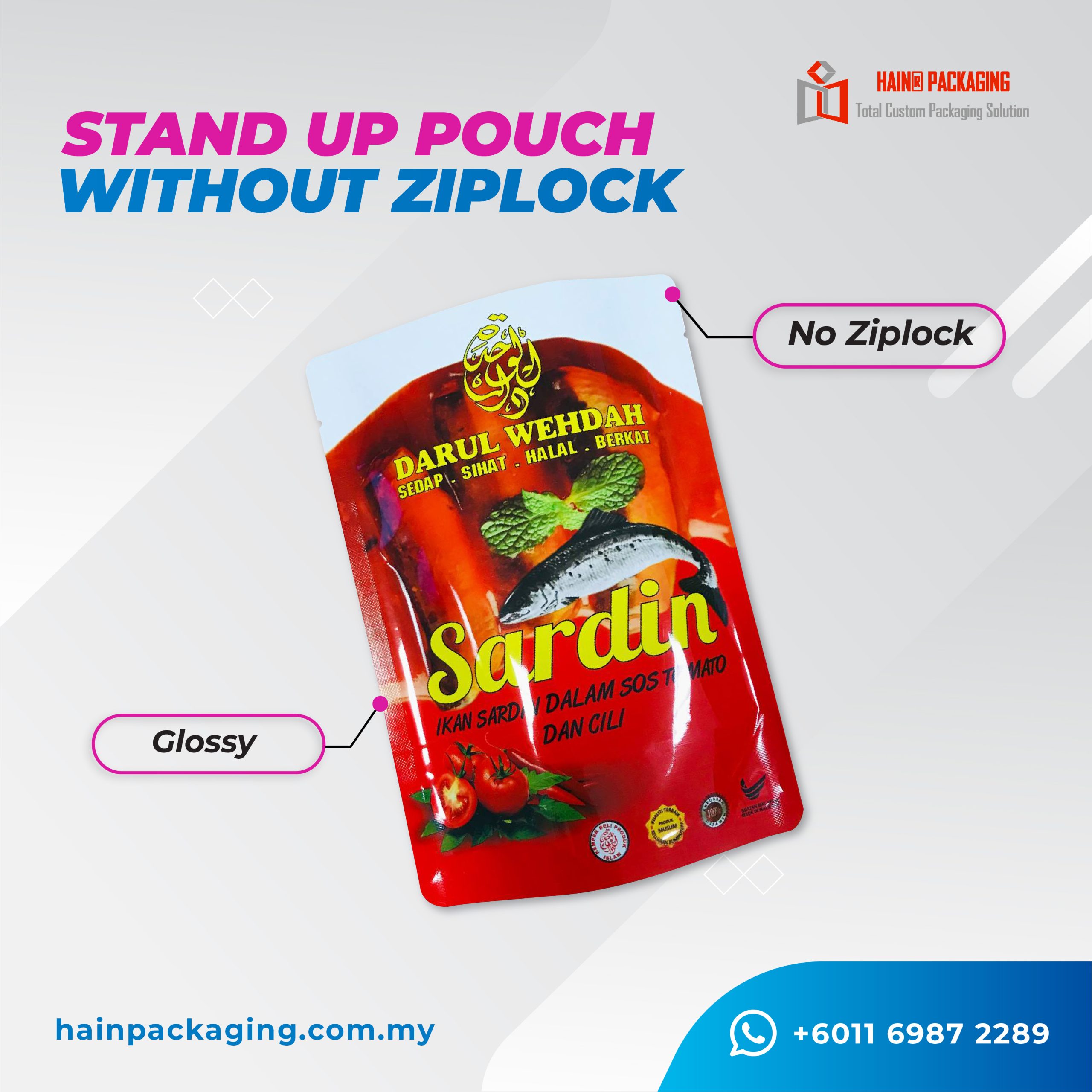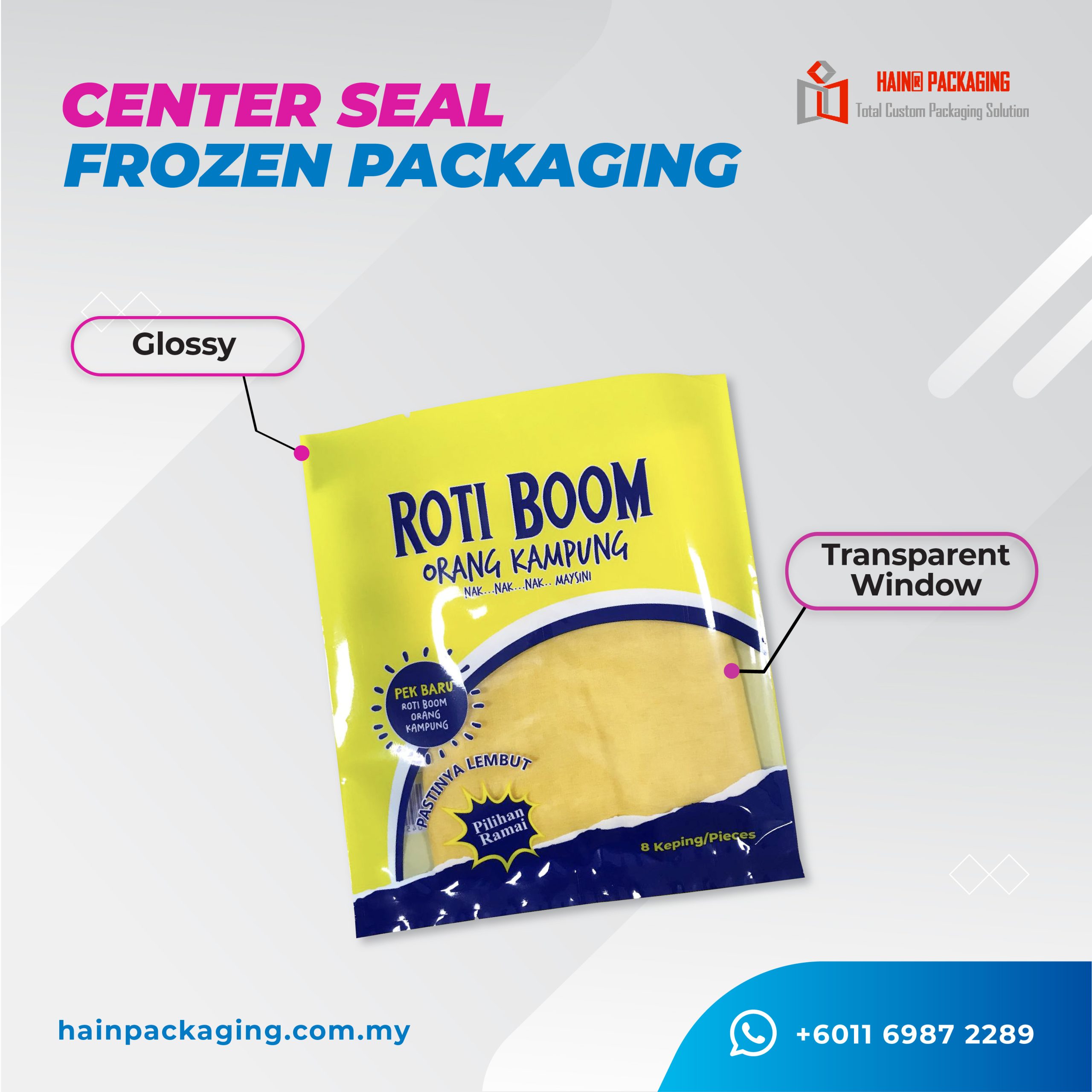

A chilli sauce, a curry paste, a blended spice mix and a dried herb blend are all sold from the same aisle, and they need four different packs. The difference is not the brand, it is the product: how much free oil it carries, how acidic it is, how much moisture it holds, how strong its aroma is and how it flows through a filler. Sauce and spice packaging Singapore decisions go wrong when a buyer picks one format for a whole range and discovers later that one product in the range is staining the seal, losing aroma or caking in the pack. This guide maps each product property to the decision it drives.
Key Takeaways
- For sauce and spice packaging Singapore ranges, specify the structure against the most demanding product in the range, not the average one.
- Free oil is the property that most often decides the material. It drives barrier, sealant choice, ink and adhesive choice and print placement.
- Acidity and salt change which inks, adhesives and any metal components are appropriate, and they change the migration question.
- Dry spices fail on moisture gain and aroma loss, which are different problems requiring different barrier priorities.
- Viscosity decides the closure. A product that pours and a product that spoons out need different openings.
- Fill cleanliness decides seal reliability more than film specification does.
- Work backwards from the launch date: about 10 to 12 weeks of production from deposit and artwork approval, or 5 to 7 weeks on a rush slot.
Eight Decisions That Follow the Product
- Map the product before the format
- Oil and fat: the first barrier decision
- Acidity, salt and spice load
- Moisture and aroma for dry spices
- Viscosity and the closure decision
- Fill cleanliness and seal contamination
- Portion, pack size and retail format
- Trials, records and order planning
- Frequently asked questions
Map the Product Before the Format
Write one line per product in the range, with the same six fields. Free oil after cooking or blending, as a visible layer or as a percentage. Acidity, from a measured pH where you have one or from the recipe type where you do not. Salt content. Water content or water activity where known. Viscosity at the temperature you fill at. Particle size, including whether there are hard fragments such as dried chilli seeds, whole spices or fibrous material.
Then rank the quality changes that would end each product’s useful life. For a sauce that is usually colour shift, oil separation, rancid notes or fermentation. For a paste that is usually surface drying, oil staining around the seal or mould at the surface. For a dry spice that is usually aroma loss, colour fade, caking or clumping. That ranking tells you which barrier property to spend money on, and it stops the conversation from defaulting to a generic high barrier structure that costs more and solves the wrong problem.
Now compare formats against the map rather than against the category norm. The food packaging Singapore overview sets out the flexible formats available, and the sambal and laksa paste packaging Singapore guide goes deeper on wet pastes specifically, which is the closest neighbour to most sauce products in this range.
Oil and Fat: The First Barrier Decision
Free oil does four things to a pack. It migrates through some films and carries flavour with it. It stains printed surfaces it touches. It sits in the seal zone and prevents a clean fusion. And over a long storage period it can interact with adhesives and inks in the laminate. Every one of those effects is avoidable, but only if oil is treated as a specification input at quotation stage rather than as a complaint after launch.
Ask your supplier which sealant layer, which ink system and which adhesive are appropriate for your oil load, and ask for that answer in writing against your actual product. A structure that holds up against a water-based product can behave very differently against a chilli oil. Where the product is a paste with a visible oil layer, ask specifically about oil resistance at the seal, because that is where the failure appears first.
Design helps as much as material. Placing print away from the area where oil collects, sizing the pack so product does not sit against the closure in storage, and choosing an orientation that keeps oil away from the seal all reduce the problem at no material cost. Ask for trial units packed in two orientations and compare them after storage. The difference is often obvious and it costs nothing to test.
Consider a secondary surface as well. Where oil reaches the outside of the pack or the carton, a barrier coating or a carton with an appropriate surface treatment keeps the retail unit presentable. This is a common oversight for products sold in a printed carton, where the carton fails long before the pouch does.
Acidity, Salt and Spice Load
Acidity affects the pack in two ways. It influences which inks and adhesives are suitable, because some systems break down in a low pH environment, and it influences the migration question, because an acidic product extracts different things from a material than a neutral one does. Tomato-based sauces, tamarind-based sauces, vinegar-based sauces and fermented products all sit in this group, and they should be declared as acidic in the brief.
Salt load matters alongside acidity. A high salt, high acid product is aggressive toward some materials and toward any exposed component. Where a closure includes a fitment, a spout or a cap, ask whether the component is rated for the product’s pH and salt level, because the closure is often the least considered part of the specification and the easiest part to get wrong.
Whole spices and hard fragments add a mechanical problem. Dried chilli seeds, cardamom pods, star anise and fibrous root material puncture film from the inside once the pack is pressed or stacked. Increase puncture resistance for these products rather than increasing overall thickness, and consider whether the fragment can be reduced in size or partially protected, because a sharp inclusion will defeat a film that is otherwise correct.
Where a product sits at the aggressive end of more than one property, say so explicitly. A hot filled, oily, acidic paste with whole spices is a genuinely demanding specification, and a supplier who knows that from the start can propose a structure that a supplier told only “sauce” cannot.
Moisture and Aroma for Dry Spices
Dry spice blends fail in the opposite direction to sauces. The enemy is moisture coming in and aroma going out, and those are two different barrier problems. Moisture ingress causes caking, clumping and eventually mould, and it is controlled by water vapour transmission. Aroma loss is caused by the volatile compounds that give a blend its character escaping through the film, and it is controlled by the barrier to those specific compounds, which does not always track neatly with the standard oxygen or water vapour figures.
Specify water vapour transmission first, from the humidity of your storage and retail environment and from the target storage period. Singapore’s ambient humidity makes this more demanding than a temperate market, particularly for a product packed in a non-air-conditioned space and sold in a traditional retail environment. Ask for the figure measured under stated conditions and set a target rather than accepting a description.
Then address aroma. The practical test is a sensory one: pack the blend, store it, and have someone who knows the product assess it at intervals against a control stored in glass. Instrumental figures do not predict aroma retention well for complex blends, and a sensory panel of three people is more reliable than a specification sheet. Run it on the actual blend, because a mild blend and a hot blend lose character at different rates.
Light protection is the third factor for dry spices, because colour fade is the change a customer notices first. Paprika, turmeric and chilli blends fade under shelf lighting, and an opaque or metallised structure holds colour far better than a clear one. Where product visibility is a sales requirement, consider a window that shows the blend without exposing the whole pack to light.
Viscosity and the Closure Decision for Sauce and Spice Packaging Singapore
Viscosity decides whether a product pours, spoons or holds its shape, and that decides the closure. A thin sauce suits a spout or a small opening with a cap, because the consumer expects to pour and to reseal. A thick paste suits a wide opening with a recloseable closure, because the consumer will spoon it out. A dry blend suits a zipper or a wide mouth, because the consumer will scoop from it repeatedly.
Match the closure to the number of uses. A single-use sachet needs no closure at all and is the cheapest option per unit. A product used over several weeks needs a closure that works when it is oily and cold, which is the condition that defeats most cheap closures. Test the closure on the actual product after storage, not on water at room temperature, because oil and refrigeration change opening force and reseal performance.
Where a spout or fitment is involved, specify it as carefully as the film. Ask for the spout material, its compatibility with the product’s oil and acid level, its torque specification and its seal integrity test result. A spout that fits a water-based product may not suit a chilli oil, and the spout is the part the customer touches every time they use the pack. The spout pouch Singapore guide covers these options in more detail.
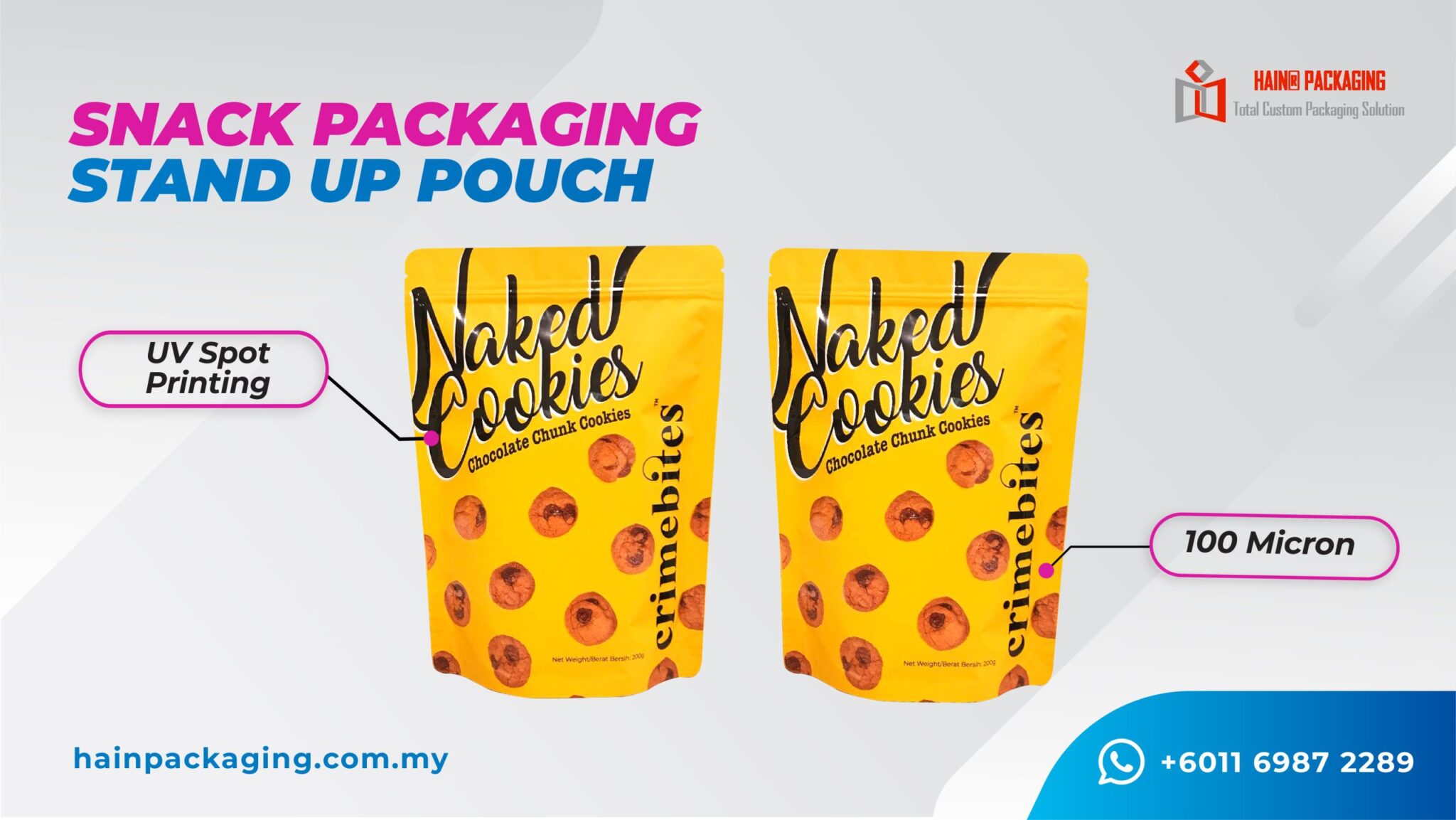
Also decide whether the pack has to stand. A stand up format presents well on a shelf and uses vertical space efficiently, which suits retail. A flat pouch costs less and packs more efficiently per carton, which suits food service and e-commerce. Buyers often default to stand up without checking whether the product is actually sold from a shelf.
Fill Cleanliness and Seal Contamination
Seal failure on sauce and paste lines is a contamination problem more often than a film problem. Product on the seal face, oil smeared across the seal zone, dust from a spice blend, or a splash from the filler nozzle all prevent a clean fusion. The pack looks closed at packing and relaxes in storage, which is the most expensive failure mode because it is only discovered after stock has been distributed.
Walk the line and find every point where product can reach the seal area. Common points are the nozzle drip between fills, the splash when product hits the pack, the way the pack is presented to the jaw, and the conveyor that carries filled packs. Fit a wipe or air knife, adjust nozzle cutoff, and set a fill level that leaves a clear margin. These are cheap fixes and they resolve the majority of seal complaints.
Set jaw temperature and dwell from measurement rather than from habit, and treat the correct settings as part of the product specification. Forcing a seal through contamination with more heat or more pressure produces a brittle closure that cracks in the cold. Where the product is genuinely difficult, a sealant with better contamination tolerance, sometimes called a hot tack or caulkable sealant, is the right answer rather than a machine adjustment.
Verify across the run. Sample at the start, middle and end, and test peel strength each time, because jaw temperature and film tension drift as the run progresses. A pack that seals well at minute five and badly at minute ninety will produce a failure rate that looks random from the outside.
Portion, Pack Size and Retail Format
Portion size should follow how the product is used, not how it is made. A sauce used as a condiment at the table is bought in a small pack and used over weeks. A paste used as a cooking base is bought in a larger pack and used in two or three sittings. A dry blend used occasionally is bought small because it loses aroma once opened. Get this wrong and the customer’s complaint is not about the pack at all, it is about product that went off before they finished it.
Pack size also drives cost per unit, because film and print are sold by area and by run. A range with four sizes costs more in tooling and setup than a range with two, and the saving from consolidating is often larger than the saving from negotiating film price. Consolidate where the product allows it and keep the sizes that genuinely match a use case.
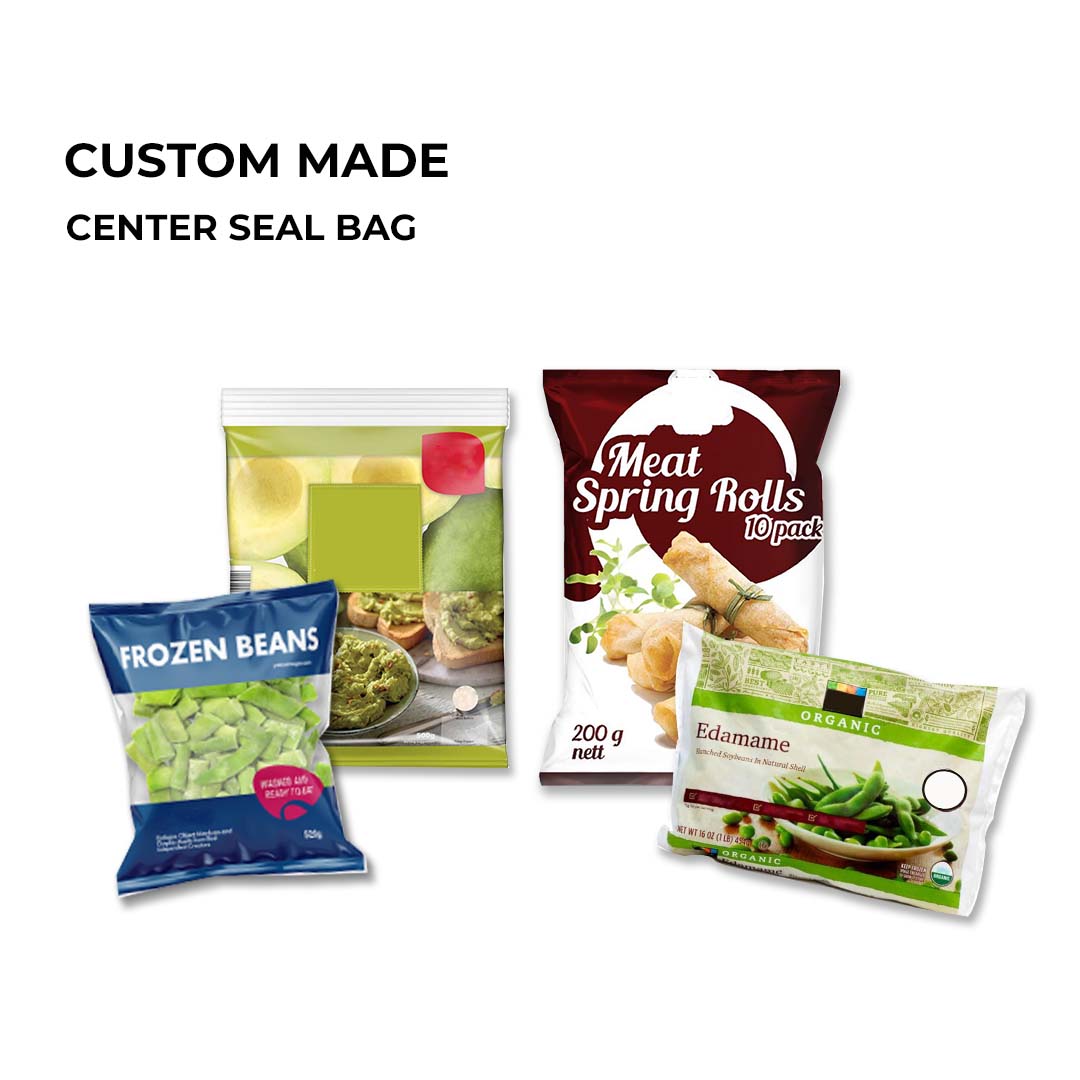
Sauce and spice packaging Singapore ranges also have to decide retail format, and retail format decides the print surface. A pack sold from a shelf competes on print quality and on stand up presentation. A pack sold through e-commerce competes on surviving transit and on looking right in a photograph. A pack sold to food service competes on pack efficiency and on clear identification in a busy kitchen. Say which one you are selling into, because a pack designed for all three usually suits none of them.
Where the product is sold chilled or frozen as well as ambient, check the pack in the coldest condition. Labels lift on cold damp film, closures stiffen, and condensation forms on removal. Buyers working through these trade-offs will find the laminated stand up pouch Singapore reference useful for structure options, and the kaya and asam pedas packaging Singapore guide useful for the local paste category.
Trials, Records and Order Planning
Run three trials. First, material trials on empty packs: seal strength, puncture resistance, oil resistance at the seal and closure function. Second, product trials: fill on the real line at the real temperature, seal under real conditions, store through the real cycle, then open, inspect and taste. Third, a distribution trial: one full case through the actual route, inspected at the far end for staining, seal relaxation, carton condition and print damage.
Keep the records. Store the material declaration for the structure supplied, the conditions of use it covers, the trial results including the failures, and the machine settings that produced a good seal. Sauce and spice packaging Singapore ranges usually grow, and the second product is far easier to specify when the first one’s file is complete.
Keep your own compliance position current. Food businesses should confirm their obligations directly with the Singapore Food Agency, and the Singapore Food Agency legislation page is the authoritative source. Keep supplier declarations for food contact materials on file and match each delivery to its production batch, so a question about a batch can be answered from evidence rather than from memory.
Artwork sign-off is the gate that everything else waits behind. Approve a sampling piece on the real line first, then let the clock start: a standard run needs about 10 to 12 weeks from deposit and artwork approval, and a rush slot comes in at 5 to 7 weeks. Sampling time, any rush surcharge and freight are quoted against each order because they track the specification, quantity and delivery point, so get all three figures in writing before you commit.
Frequently Asked Questions
Can I use one pack across my whole sauce and spice range?
You can often standardise the format, but specify the structure against the most demanding product. Sauce and spice packaging Singapore ranges usually contain one product that is oilier, more acidic or sharper than the rest, and that product should set the specification.
Why does oil appear around the seal of my paste packs?
Because oil is present in the seal zone at the moment of sealing, or migrates there during storage. Improve fill cleanliness first, then change pack orientation so oil does not sit against the closure, then ask about an oil tolerant sealant.
Which barrier figure matters most for a dry spice blend?
Water vapour transmission rate, because moisture ingress causes caking and mould. Aroma retention is best judged by a simple sensory check against a glass-stored control rather than by a standard barrier figure.
Should I choose a spout or a wide opening?
Follow the product. A pourable sauce suits a spout. A thick paste suits a wide opening with a recloseable closure. Test the closure on the actual product after cold storage, because oil and refrigeration change opening force.
How do I stop my label lifting in the chiller?
Specify an adhesive rated for cold and damp application, apply to a dry film, and check legibility after the pack has been through a chill and ambient cycle. Where volumes justify it, printing the pack removes the problem entirely.
Next Step
Sauce and spice packaging Singapore decisions come down to six product fields and four barrier priorities. Fill in the six product fields for every product in your range, then bring that table to the specification conversation. Sauce and spice packaging Singapore decisions become straightforward once oil, acidity, moisture, viscosity and particle size are written down, and they stay expensive for as long as they are guessed. Contact the HAIN packaging team with your product map and ask for trial packs in two structures, packed in two orientations, so you can compare oil resistance, seal cleanliness and aroma retention on your own product before committing to a production quantity.