
Plastic Bag Size Chart Singapore — Find the Right Dimensions for Your Needs
Finding the right bag size is just as important as choosing the right material or thickness. This plastic bag size chart Singapore helps you understand bag dimensions, compare standard sizes, and decide when custom bag sizes are worth the investment. Whether you run a retail shop, hawker stall, or e-commerce fulfilment centre, getting the dimensions right means less waste, lower costs, and better-looking packaging. For a full range of options, see our guide to ef=”https://sg.logosendiri.com/custom-plastic-bags-singapore/”>custom plastic bags in Singapore
How to Measure a Plastic Bag in Singapore with Plastic bag size chart singapore
Plastic bag dimensions are always listed as Width × Length × Gusset (W × L × G), measured in millimetres or inches. Here is what each measurement means:
- Width — the opening of the bag, measured flat across the top
- Length — the distance from the top opening to the bottom seal
- Gusset — the side fold that allows the bag to expand. A bag with no gusset is called a “flat bag.”
For T-shirt bags, the length includes the handle area. For ziplock bags, measure the usable space below the seal track, not the total film length. Getting these plastic bag dimensions Singapore right is critical — even a 20 mm error can mean your product does not fit or the bag looks sloppy.
Standard Plastic Bag Size Chart by Type
Here are the most common standard sizes available from Singapore suppliers:
| Bag Type | Width (mm) | Length (mm) | Gusset (mm) | Common Use |
|---|---|---|---|---|
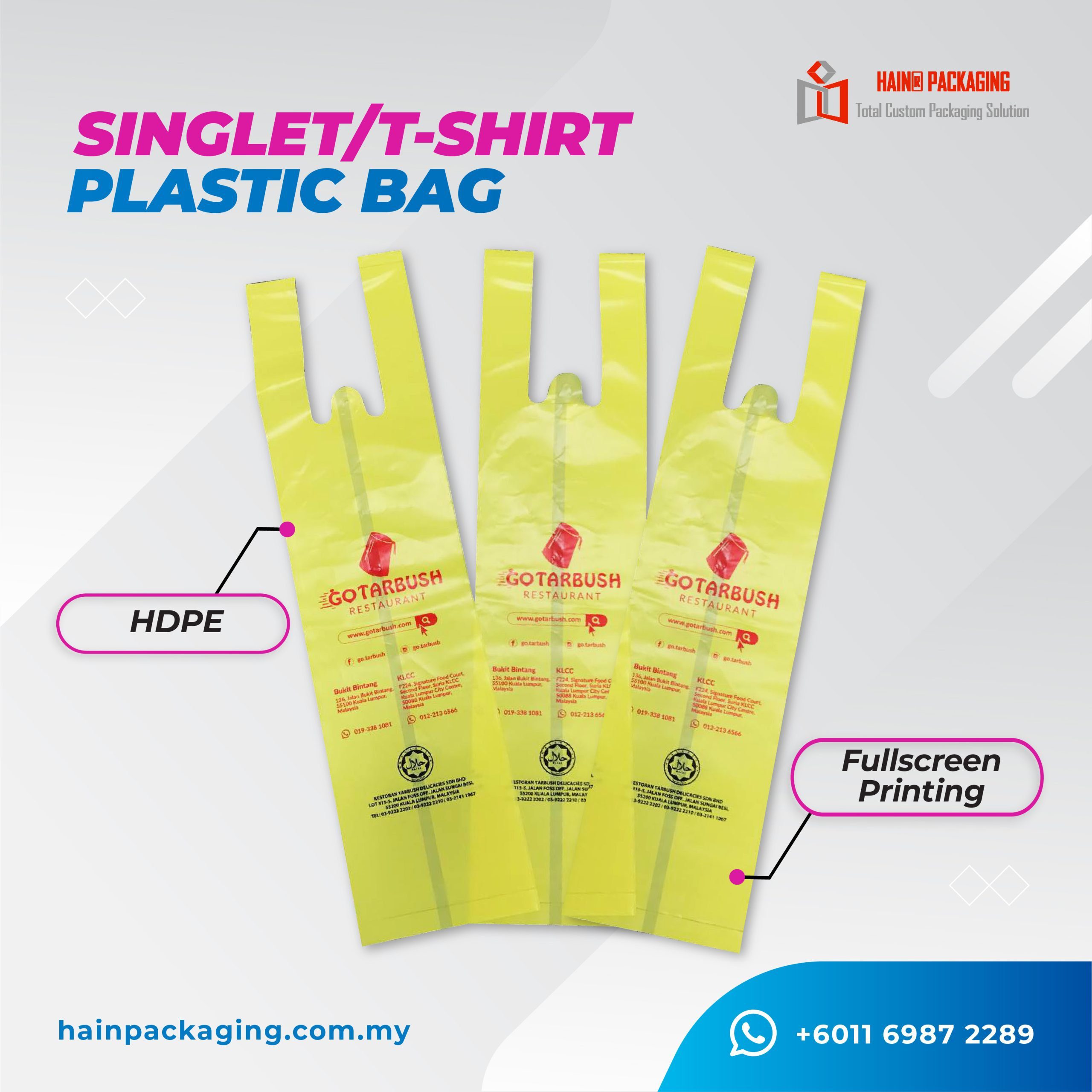
| T-shirt / Singlet | 280 | 480 | 140 | Convenience store |
| T-shirt / Singlet | 300 | 520 | 160 | Supermarket |
| T-shirt / Singlet | 380 | 600 | 200 | Large grocery |
| Die Cut Handle | 250 | 350 | 100 | Retail / boutique |
| Die Cut Handle | 300 | 400 | 120 | Apparel / gifts |
| Flat Bag (no gusset) | 150 | 200 | — | Small items, tissue |
| Flat Bag | 200 | 300 | — | Documents, light items |
| Flat Bag | 300 | 450 | — | General packaging |
| Ziplock / Resealable | 150 | 200 | 60 | Snacks, small parts |
| Ziplock / Resealable | 200 | 300 | 80 | Food, craft supplies |
| Ziplock / Resealable | 250 | 350 | 100 | Clothing, bulk food |
| Courier / Mailing | 300 | 400 | 80 | Small parcels |
| Courier / Mailing | 400 | 500 | 100 | Medium parcels |
What Is a Gusset and Why Does It Matter?
A gusset is a folded side panel that lets the bag open wider to hold bulkier items. When a bag size is listed as 300 × 400 × 120, the 120 mm gusset means the bag can expand up to 240 mm wide (gusset × 2) when filled. For retail shops in Singapore, gusseted bags are ideal for boxed products or irregularly shaped items. Flat bags work best for flat or thin products like documents, greeting cards, or garments on hangers.
Sizing Tips for Common Products
- Baked goods: Add 40–60 mm to the product width and length so the bag is not skin-tight — this looks better and avoids tears at the seams.
- Food containers: Measure the container diagonal, not just the width, since round containers need more bag width than square ones.
- Apparel: A 250 × 350 mm die cut bag fits most folded T-shirts; use 300 × 400 mm for thicker items like hoodies.
- E-commerce: Choose courier bags 30–50 mm larger than your largest product dimension to allow padding and easy insertion.
Custom Bag Sizes — When to Order Them
Standard sizes cover most needs, but some products demand custom bag sizes. If your item is unusually shaped, very heavy, or needs a branded fit, a custom size eliminates excess material and looks more professional. The trade-off is a higher MOQ — typically 5,000–10,000 units for custom sizes vs 1,000–3,000 for standard. For grocery stores in Singapore with standard product ranges, sticking to standard sizes is almost always more cost-effective.
When ordering custom sizes, provide your supplier with the exact product dimensions plus your desired clearance. Also consider the bag thickness — thicker bags need slightly more room to fold and seal cleanly.
For official Singapore packaging regulations and waste reduction guidelines, visit the National Environment Agency (NEA) Singapore.
Bag Size Selection Tips for Singapore Businesses
Choosing the right bag size saves money and improves customer experience. For retail stores, a medium bag (18×8×24″) covers most purchases. For grocery items, a larger bag (24×12×30″) handles bulky products. Consider two sizes — small for 1–3 items and large for full baskets. Custom sizes are cost-effective at 10,000+ bags and improve your brand checkout presentation.
Work with your supplier to determine optimal bag dimensions for your specific products. Well-proportioned bags use less material, reduce overall packaging costs, and create a better customer experience at the checkout counter in Singapore retail stores. For best results, request a size consultation from your packaging supplier who can recommend optimal dimensions based on your product range and store layout.
Frequently Asked Questions
How do I know what size plastic bag I need?
Measure your product at its widest and tallest points, then add 30–50 mm to each dimension for easy insertion. For gusseted bags, ensure the gusset depth accommodates the product’s thickness.
What is the most common plastic bag size in Singapore?
The 300 × 520 × 160 mm T-shirt bag is the most widely used size in Singapore supermarkets and convenience stores.
Can I get custom-sized plastic bags in small quantities?
Most suppliers require an MOQ of 5,000–10,000 units for custom sizes. For smaller runs, choose the nearest standard size from this bag size guide and adjust your product presentation to fit.
Does bag size affect the price?
Yes. Larger bags use more material, so they cost more per unit. Choosing the smallest size that fits your product comfortably is the easiest way to reduce packaging costs.
What size ziplock bag do I need for food?
For single-serve snacks, 150 × 200 mm works well. For meal portions or bulk ingredients, go with 200 × 300 mm or 250 × 350 mm with a gusset.
How to Measure Your Bag Size Requirements
To determine the right bag size for your Singapore business, measure your product dimensions (length, width, and depth) and add 2–3 inches to each dimension for comfortable packing. For retail shops, common bag sizes range from 12×6×18 inches (small items) to 24×12×30 inches (large items). For grocery stores, bag width should accommodate standard product widths. When in doubt, order a sample pack from your supplier to test before committing to bulk production.
How to Measure Your Bag Size Requirements
To determine the right bag size for your Singapore business, measure your product dimensions (length, width, and depth) and add 2–3 inches to each dimension for comfortable packing. For retail shops, common bag sizes range from 12×6×18 inches (small items) to 24×12×30 inches (large items). For grocery stores, bag width should accommodate standard product widths. When in doubt, order a sample pack from your supplier to test before committing to bulk production.