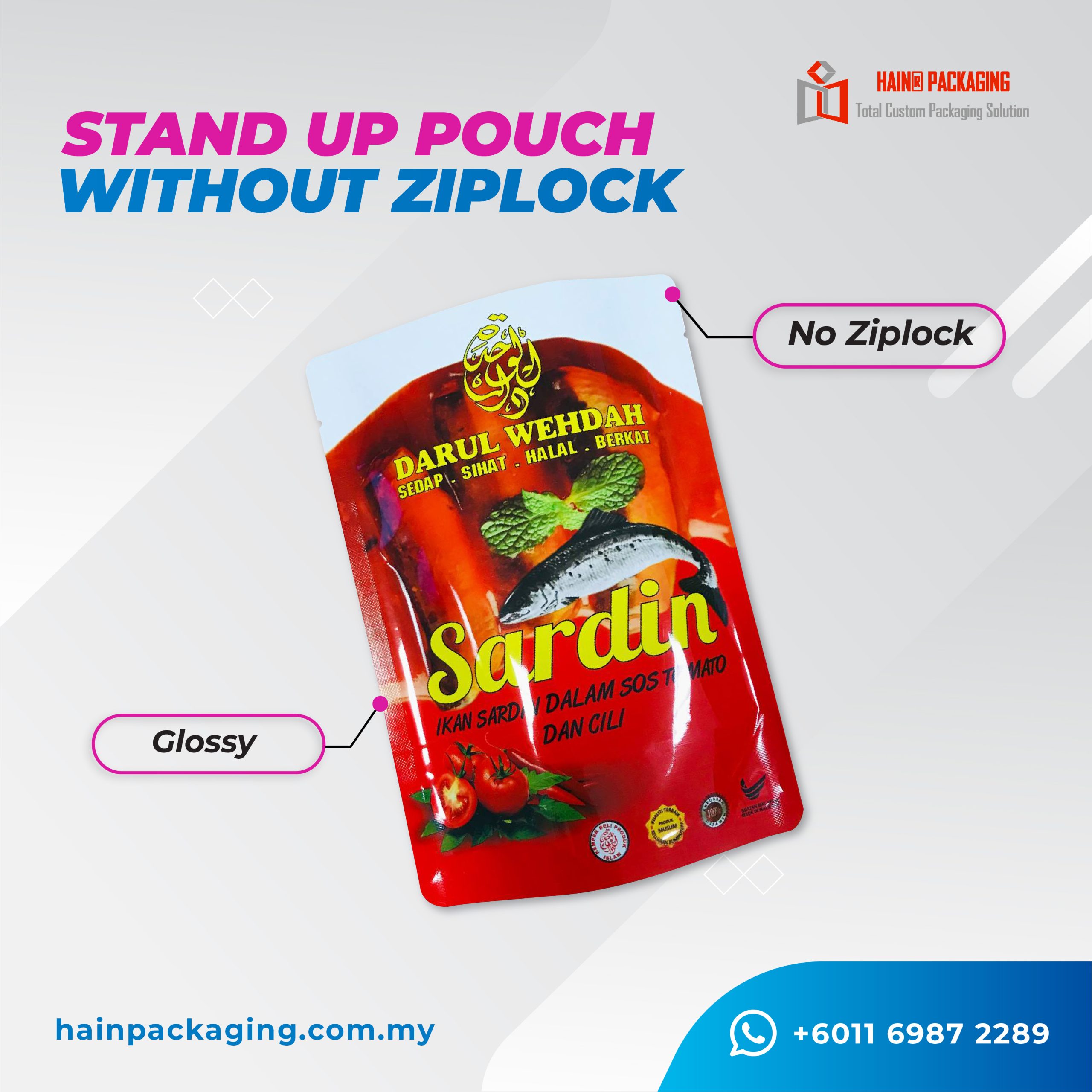

A doypack is the stand up pouch most consumers recognise without knowing the name: a flexible pouch with a rounded or flat oval bottom gusset that lets it stand on a shelf without any secondary support. The shape is why it sells, and it is also why the specification has more variables than a plain pillow bag. This guide walks through how to specify custom doypack packaging in Singapore, one decision at a time, so that the sample you approve is the pouch that actually arrives.
What Makes a Pouch a Doypack
The defining feature is the bottom. A doypack has a base gusset folded and sealed so that the pouch opens into a footprint when filled, whereas a pillow bag simply lies flat. Everything else, including the closure, the barrier layers, the spout and the tear notch, is an option layered on top of that base.
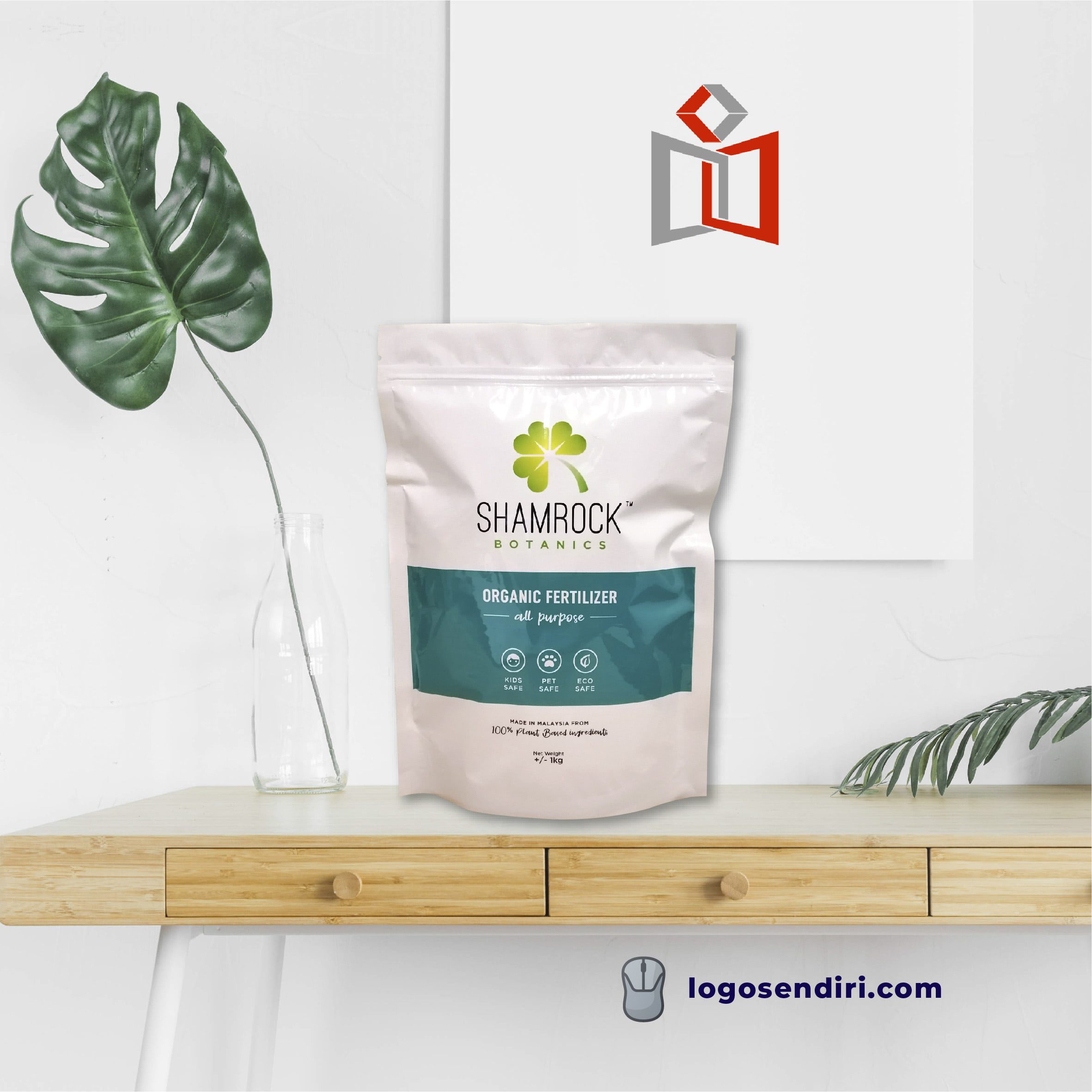
Two families sit inside the term. The classic rounded-bottom doypack has a curved base seal and is the lighter, more economical build. The flat bottom or box pouch uses a squared base with additional corner seals, stands taller and squarer, and costs more to convert. If your product competes on a crowded shelf, the squared base earns its premium; if it ships in a plain carton, the rounded base is usually enough.
Step One: Size, Fill Volume and Base Geometry
Start from the fill weight, not from the bag. A 250 gram pack of coffee beans, a 250 gram pack of powder and a 250 millilitre pack of liquid occupy different volumes, and the same nominal pouch size will look over-filled for one and under-filled for another. Give your supplier the target fill weight and the product’s bulk density, and let the size follow from that.
Then decide the base. Rounded bottoms convert faster and cost less. Squared bottoms stand taller, face the customer better and tolerate a heavier fill without leaning. Our flat bottom pouch guide covers that branch in more depth.
Step Two: Barrier Structure and Shelf Life Target
Barrier is the layer stack inside the film, and it is chosen against the thing that will spoil your product. Oxygen shortens the life of fats, coffee aroma and nuts. Moisture ruins powders and crisp products. Light fades pigments and accelerates fat oxidation. A basic two-ply laminate handles moisture well and oxygen poorly, while a metallised or foil-bearing structure adds the oxygen and light protection that a fat-rich product needs.
Be honest about the target shelf life. Specifying a barrier far beyond the actual distribution window adds cost with no return, and specifying one below it produces returns. Our material guide for stand up pouches sets out the common structures and what each one protects against.
Custom Doypack Packaging in Singapore: Closure and Feature Options
Closure choice changes both the cost and the way the customer uses the pack. A press-to-close zipper is the standard reclosable option and suits snacks, coffee and dried fruit. A slider closure costs more but works better for customers with wet or arthritic hands, and it is common on larger family packs. A tear notch above the zipper is standard, and a laser score gives a cleaner straight tear than a punched notch.
Beyond closure, the usual additions are a degassing valve for roasted coffee, a hang hole for peg displays, a rounded corner for safety, and a matte varnish over a gloss base for a premium hand feel. Each addition is small on its own and they add up quickly, so rank them before you specify rather than after.
Step Three: Print Method and Artwork for Short Runs
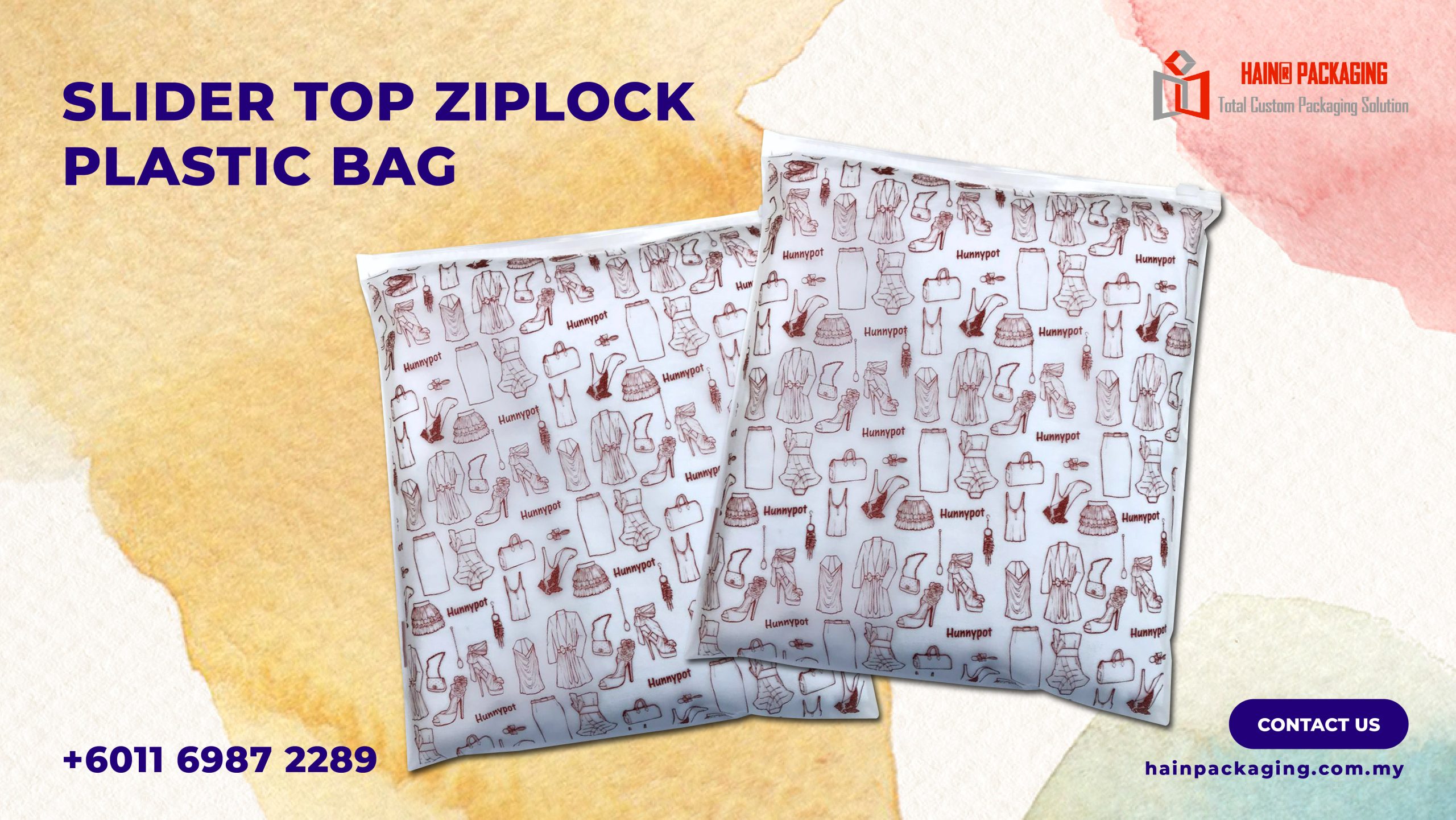
Digital printing has changed what a short run looks like. Where gravure cylinders once forced a high minimum, digital allows a few thousand pouches per design with photographic artwork and variable data, which suits seasonal flavours, market tests and multi-SKU brands. Gravure still wins on unit cost at volume and on special effects such as metallic inks and registered matte.
Either way, artwork has to be built for a flexible substrate. Avoid fine serif type below roughly six points, avoid hairline borders near a seal area, and keep critical elements away from the base gusset fold where registration shifts. Our custom printed stand up pouch guide covers the artwork workflow in detail.
Step Four: Fill Method, Sealing and Line Compatibility
Manual filling with a hand sealer suits a startup and a pilot run. Semi-automatic filling with a dosing head and a band sealer suits the next stage. Fully automatic form-fill-seal lines require the pouch to be supplied to a tighter dimensional tolerance and with a specified sealant layer matched to the machine’s jaw temperature and dwell.
Tell your supplier which of the three you run now and which you expect to run in two years. A film structure specified purely for a hand sealer can become a problem the moment you move to an automated line, and re-specifying later costs more than specifying once.
Custom Doypack Packaging in Singapore Versus Other Pouch Formats
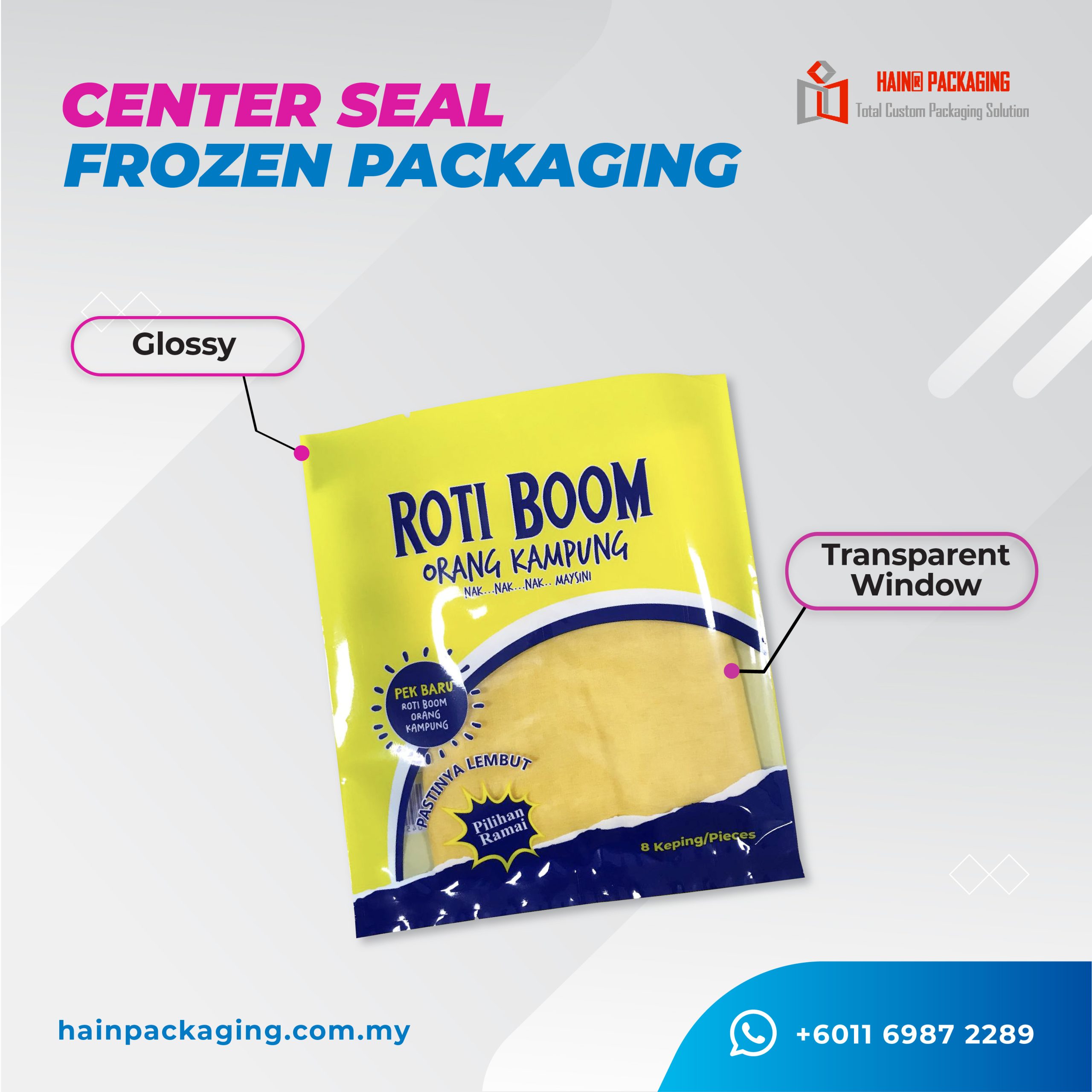
Doypacks, side gusset bags and quad seal bags are often quoted for the same brief, and the differences are practical rather than academic. A doypack stands on its base gusset and is the strongest presentation format for retail shelf. A side gusset bag expands sideways and suits larger bulk fills where the pack is boxed rather than shelved. A quad seal bag seals on all four vertical edges, holds a squarer profile under load, and takes a heavier fill without bowing.
If the product is sold from a shelf at eye level, the doypack is usually the right answer. If it is sold from a pallet or shipped as a refill, the other two formats often cost less for the same protection. Our stand up pouch overview and our resealable zipper pouch guide sit alongside this page for comparison.
Specification Sheet Template
Send these nine fields and you will get a firm quote on the first exchange:
- Product and fill weight, plus bulk density if the product is a powder.
- Base style, rounded or squared.
- Flat dimensions, width by height, and gusset depth if known.
- Shelf life target in months, and the storage condition.
- Barrier requirement, or “recommend” if you want options.
- Closure, press zipper, slider, or none.
- Features, valve, hang hole, tear mode, varnish.
- Print method and colour count, digital or gravure.
- Quantity and re-order rhythm, which drive both price and lead time.
Minimum order quantities differ substantially between digital and gravure routes, and our stand up pouch MOQ guide explains the break-even point.
Frequently Asked Questions
What is the smallest run you can print?
Digital printing brings the minimum down substantially compared with gravure, and the exact figure depends on size and structure. Send the specification and we will quote both routes so you can see the crossover point.
Do I need a degassing valve for coffee?
For freshly roasted whole bean coffee, yes in most cases. Roasted beans release carbon dioxide for several days, and without a valve the pouch can swell or the seal can creep. Pre-ground and rested coffee usually does not need one.
Can the pouch be used for liquids?
Yes, with the right sealant layer and, for larger volumes, a spout or a fitment. Tell us the fill temperature and whether the product is hot filled, because that changes the structure.
Do you supply a material declaration for food contact?
Yes. We supply a material declaration and batch identification with each run so your own quality records have a document to reference. Food businesses should also review the Singapore Food Agency’s food safety information at sfa.gov.sg when setting their own compliance checks.
Conclusion
Specifying custom doypack packaging in Singapore is a sequence, not a single decision. Work from the fill weight to the size, from the spoilage risk to the barrier, from the customer’s hands to the closure, and from your current filling method to the structure. Bring those four answers and the quote will be accurate on the first pass, and the pouch that arrives will be the pouch you approved. Send us your product and target shelf life for a specification review, or message us on WhatsApp to request samples.