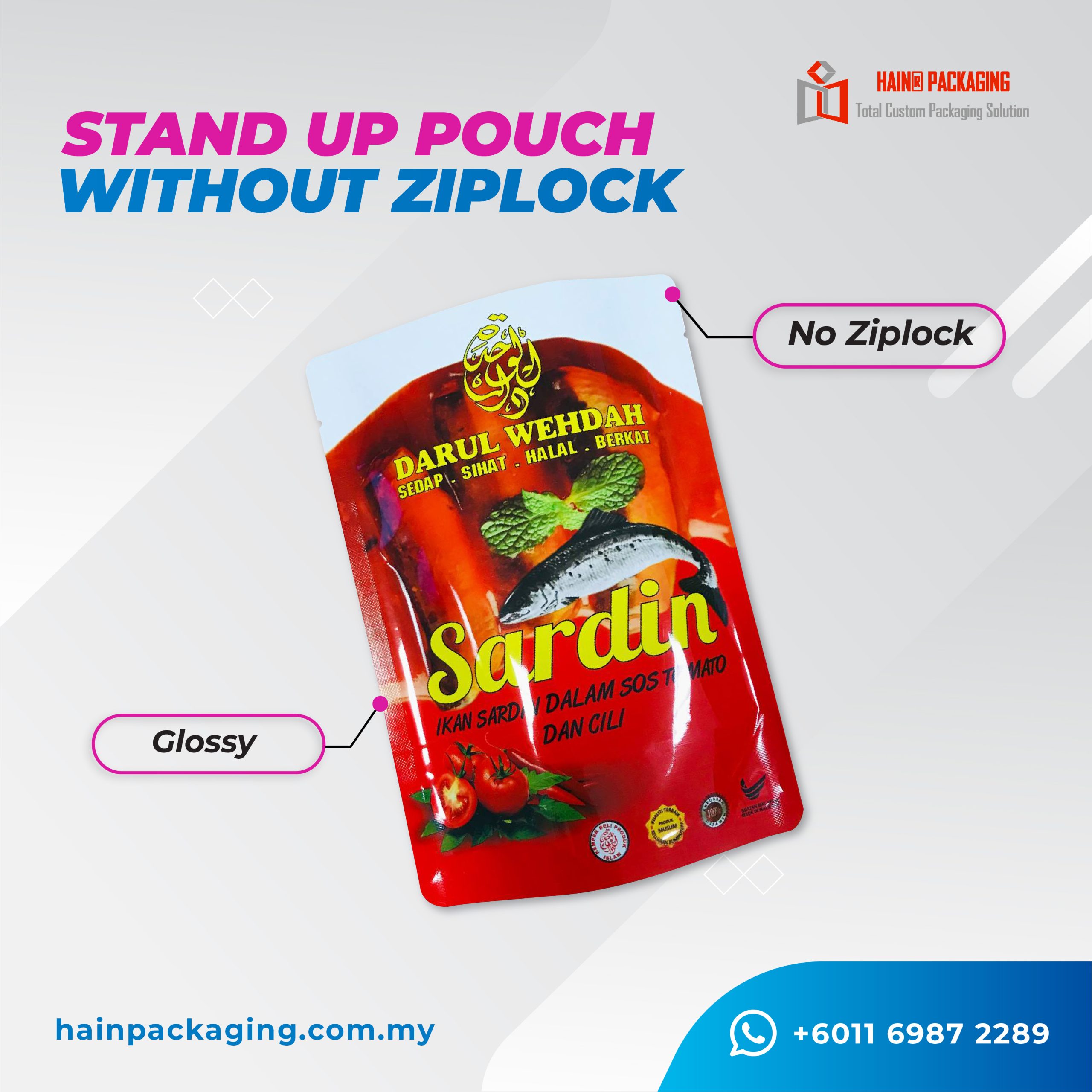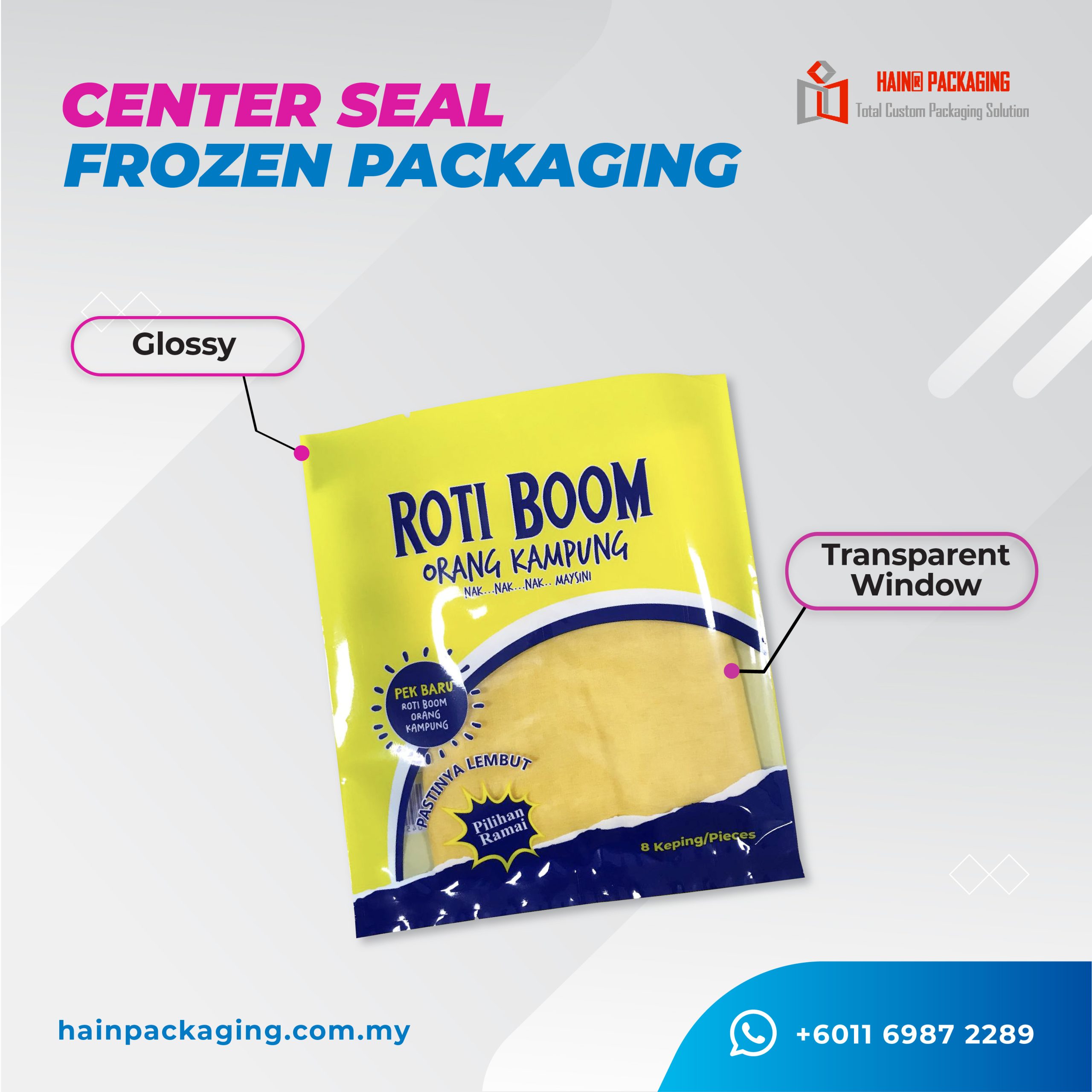

These two formats are frequently quoted against each other, and they are not really competitors. A retort pouch is defined by the thermal process it has to survive, while a quad seal pouch is defined by the shape it holds under load. Asking which is better is like asking whether an oven tray is better than a storage crate. The useful question is what your product goes through between the filling head and the customer’s kitchen, and a retort pouch and quad seal pouch in Singapore sit on opposite sides of that answer.
What a Retort Pouch Has to Survive
Retort processing means the sealed, filled pack is heated under pressure to sterilise the contents, typically in the range of 115 to 130 degrees Celsius depending on the product and the process. The pouch therefore has to hold a hermetic seal while internal pressure rises, withstand the pressure differential without delaminating, and come out the other side with the laminate layers still bonded and the print still legible.
That requirement drives the whole build. Retort structures use a high temperature sealant layer, an adhesive system rated for the process temperature, and usually a foil or metallised barrier layer because the product is expected to be shelf stable at ambient for months. The most common physical build is a three side seal pouch, because a flat format distributes pressure evenly and leaves no gusset fold where stress can concentrate.
Retort Pouch and Quad Seal Pouch in Singapore: The Structural Difference
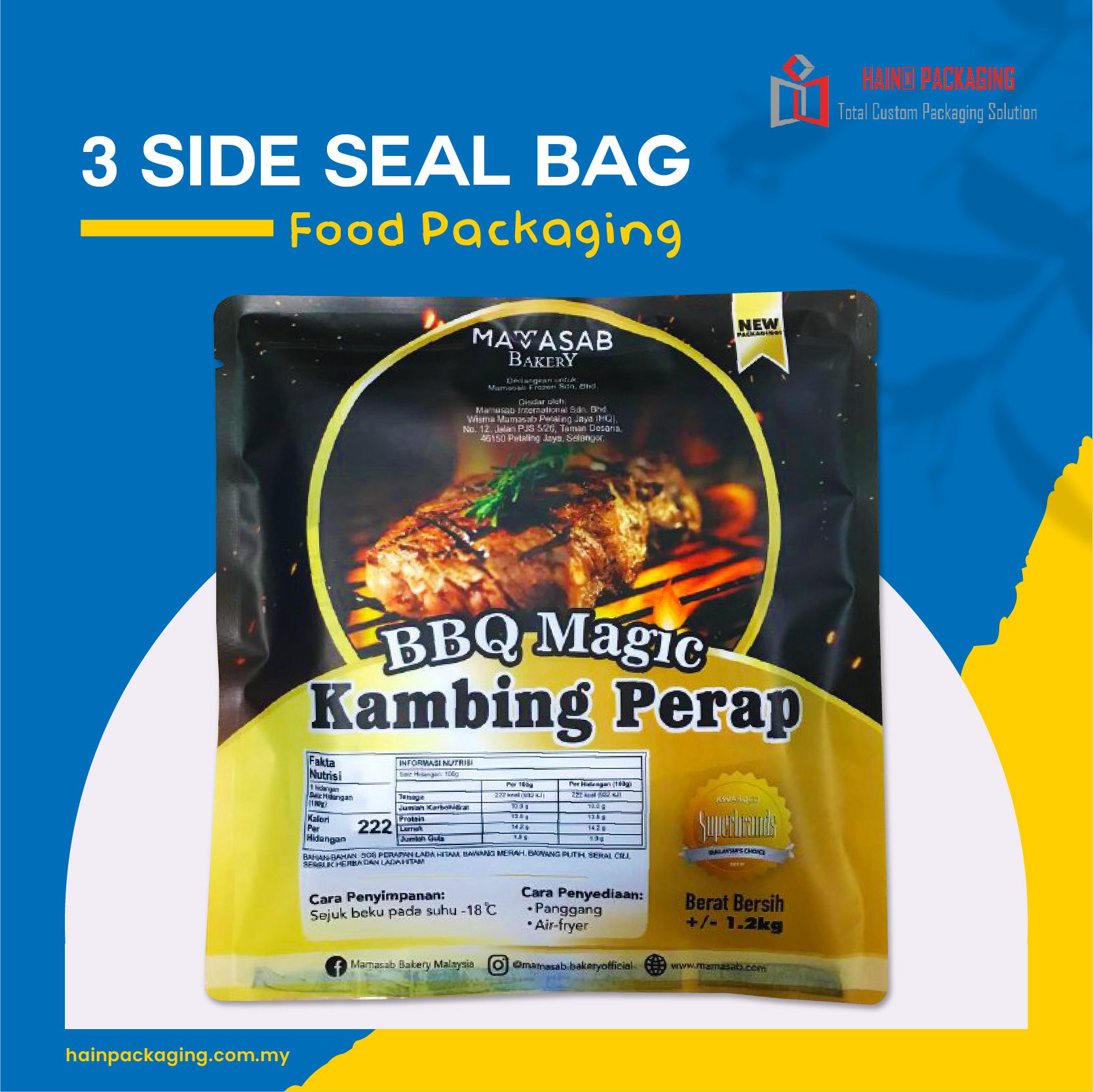
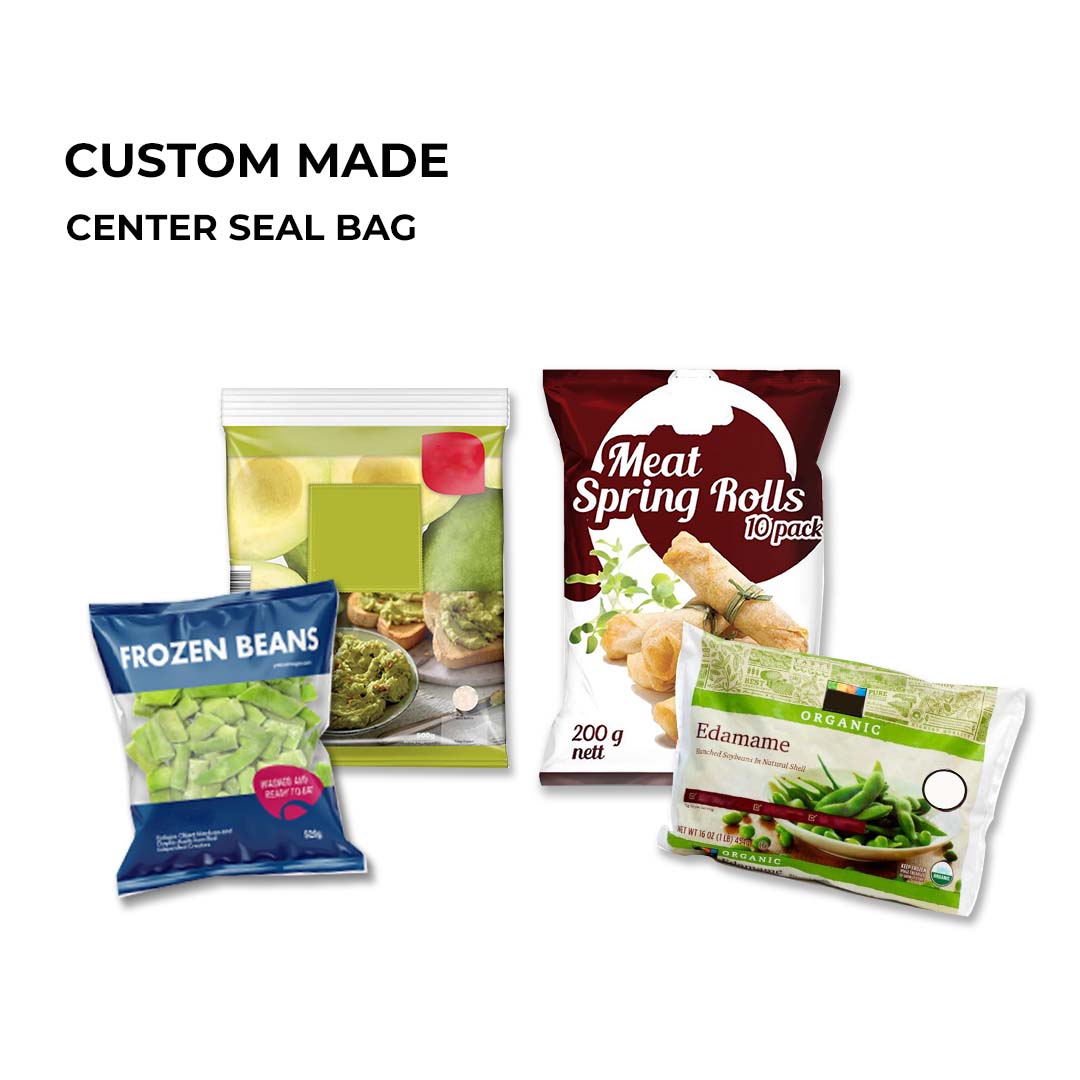
A quad seal pouch is sealed on all four vertical edges rather than folded from a single web. Together with a base gusset, that produces a rectangular block that stands square, takes a heavy fill without bowing, and presents four printable faces. It is a shape solution, not a process solution: the barrier structure underneath is selected separately and can be anything from a simple two-ply laminate to a high barrier foil build.
A retort pouch is the reverse. The shape follows from the process requirement, and the barrier structure is largely fixed by it. You can make a retort pouch with a gusset, but every added fold is another place where pressure during processing can find a weakness.
Put simply, choose a quad seal pouch when the job is to look substantial and carry weight, and choose a retort pouch when the job is to survive heat and then sit on a shelf unrefrigerated.
Choosing by Process: Thermal, Hot Fill or Ambient
Most buyers already know which of the three they run. If the pack goes into a pressurised thermal process, the choice is made for you and the only remaining decisions are structure rating, seal width and print durability. If the product is hot filled but not retorted, the temperature requirement drops and a broader range of structures opens up, including a quad seal build with a suitable high temperature sealant. If the product is filled at ambient, neither constraint applies and the decision is purely about presentation, weight and cost.
Where buyers get into trouble is at the boundary. A product originally filled ambient that later moves to a thermal process cannot keep the same pouch, and the re-specification costs more than specifying correctly the first time. If a process change is even remotely likely within two years, say so at quotation stage.
Seal Integrity and the Failure Modes Worth Testing
Seal failure is the dominant risk in thermally processed packs and the most expensive one to discover after distribution. The common modes are a seal that was contaminated by product in the seal area, a seal made at the wrong temperature or pressure, a crease in the seal that creates a channel, and a laminate that delaminates under process heat. None of these are visible on a filled pack sitting on a bench.
Practical checks are straightforward. Run a dye penetration test on seals from the start, middle and end of a run. Run a burst or compression test on filled packs. Hold samples from each production batch at elevated temperature for a defined period and inspect them for swelling and seal creep. Whatever protocol your own quality system requires, the pack should be validated under it before a full launch rather than after.
Retort Pouch and Quad Seal Pouch in Singapore: Cost and Lead Time
A retort rated structure costs more per pouch than a standard laminate, because the adhesive system and sealant layer are more expensive and the converting tolerances are tighter. Minimum quantities tend to be higher for the same reason. A quad seal pouch carries a conversion premium over a simple pillow bag because of the extra sealing operations, but the base film can often be simpler, so the two premiums land in different places.
Lead time is usually driven by film lamination and adhesive curing rather than by bag making. If you are working to a launch date, allow for the curing window rather than counting only the conversion days.
Where Each Format Earns Its Keep Locally
Shelf stable curry pastes, rendang, braised dishes and ready meals are the natural home of the retort pouch, because the whole value proposition is ambient distribution without a cold chain. Whole bean coffee, premium pet food, rice and bulk dry goods are the natural home of the quad seal pouch, where the value proposition is weight, shelf presence and a squarer pallet footprint.
Both formats appear in chilled and frozen ranges too, but for those applications a simpler structure usually does the job at lower cost, and our frozen food packaging guide is the better starting point. For high barrier ambient products that do not need thermal processing, our aluminium foil pouch guide and our stand up pouch material guide cover the alternatives.
Specification Checklist
- Process and peak temperature, including whether the pack is under external pressure.
- Target ambient shelf life in months, and the distribution climate.
- Barrier requirement, or “recommend a structure”.
- Format, flat three side seal, gusseted, or quad seal.
- Seal width and seal strength target, matched to your own validation protocol.
- Fill method, manual, semi-automatic or automated, and the jaw specification of your sealer.
- Print method and colour count, and whether the print must survive the process.
- Quantity and re-order rhythm.
Food businesses setting up or reviewing their own compliance checks should also consult the Singapore Food Agency’s legislation page at sfa.gov.sg, which is the authoritative reference for food related requirements in Singapore.
Frequently Asked Questions
Can a quad seal pouch be retorted?
It can be built with a retort rated structure, but the extra corner and base seals create more places for pressure to find a weakness. If the process is the priority, a flat three side seal build is the safer starting point.
How long does an ambient retort pack last?
Shelf life depends on the product formulation, the process and the barrier structure working together, so it has to be established by your own shelf life study rather than by the pouch alone.
Is foil required?
Foil is the traditional route to a very high oxygen and light barrier, and metallised films offer a lower cost alternative with slightly lower performance. The right choice depends on how sensitive the product is and how long it has to last.
Do you provide documentation with each run?
Yes. Each production run ships with a material declaration and batch identification so that your quality records have a reference point. Process validation and regulatory submission remain your responsibility.
Conclusion
A retort pouch and quad seal pouch in Singapore solve different problems, and naming your process first will almost always make the decision for you. If the pack must survive pressurised heat and then sit unrefrigerated, the retort build is the only serious candidate. If the pack must carry weight and win on shelf, the quad seal build is the better answer. Tell us the process temperature, the fill weight and the target shelf life, and we will quote the correct structure for each route. Start with our stand up pouch overview or message us on WhatsApp for a specification review.