
A pouch is only useful when its material, seal and filling process work as one system. For that reason, choosing a food pouch packaging supplier in Singapore should begin with the product and route to market, not with a catalogue photo. A careful buyer maps the food, pack, machine, storage conditions and launch volume before requesting prices. That sequence makes quotations comparable and prevents a low unit price from becoming expensive waste during filling.
Food Pouch Packaging Supplier in Singapore: Start With the Product Brief
The first supplier conversation should describe what touches the pouch. State whether the food is dry, oily, acidic, chilled, frozen or filled while warm. Add the expected shelf life, net weight and portion pattern. A snack that is eaten in one sitting needs a different opening experience from granola that is opened every morning for three weeks. Paste and sauce products also place more pressure on seal cleanliness than dry powders.
Write down the distribution journey. Note time in an air-conditioned warehouse, exposure to a humid loading bay, parcel delivery, retail display and any cold-chain transfer. Singapore’s climate makes moisture movement, condensation and seal consistency practical concerns. A supplier can only propose a useful structure when the route is visible.
For a wider overview of common formats, use the published food packaging Singapore guide as the starting point for your internal brief.
Translate Shelf-Life Risk Into Barrier Requirements
Barrier selection is a risk decision. Oxygen can stale nuts, fade natural colours and accelerate flavour loss. Water vapour can soften a crisp product or cause a hygroscopic powder to clump. Light can damage sensitive oils and ingredients. Aroma can escape from coffee, spices and strongly seasoned foods. List the failure that customers would notice first, then rank secondary risks.
Do not ask for the “best barrier” without a target. Higher barrier structures can cost more, complicate sourcing and obscure the product when a clear window would help sales. Ask the supplier to explain the role of every layer and to state the assumptions behind the proposal. Your own shelf-life study should confirm whether the chosen structure protects the real recipe under real storage conditions.
Choose a Format That Fits Filling and Customer Use
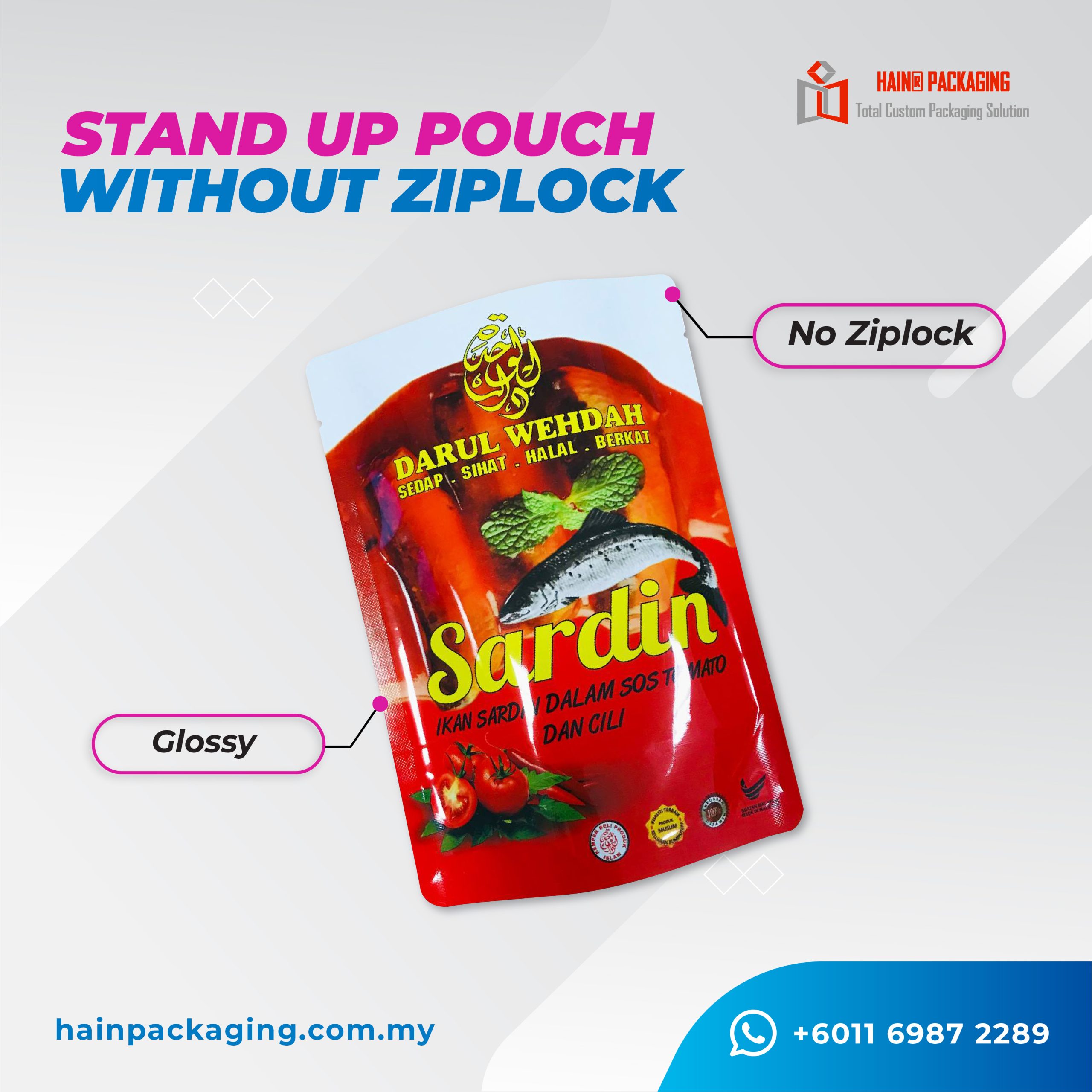
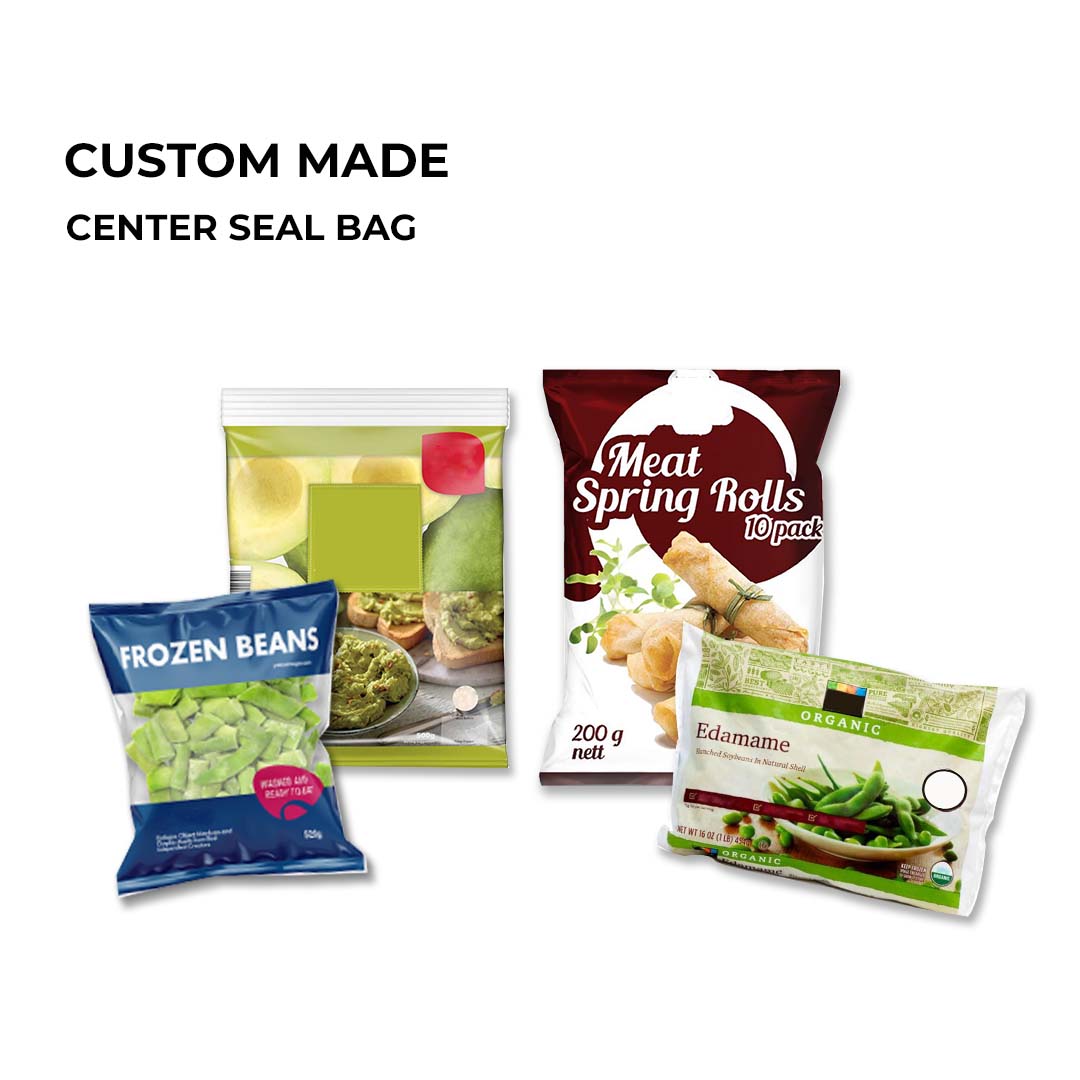
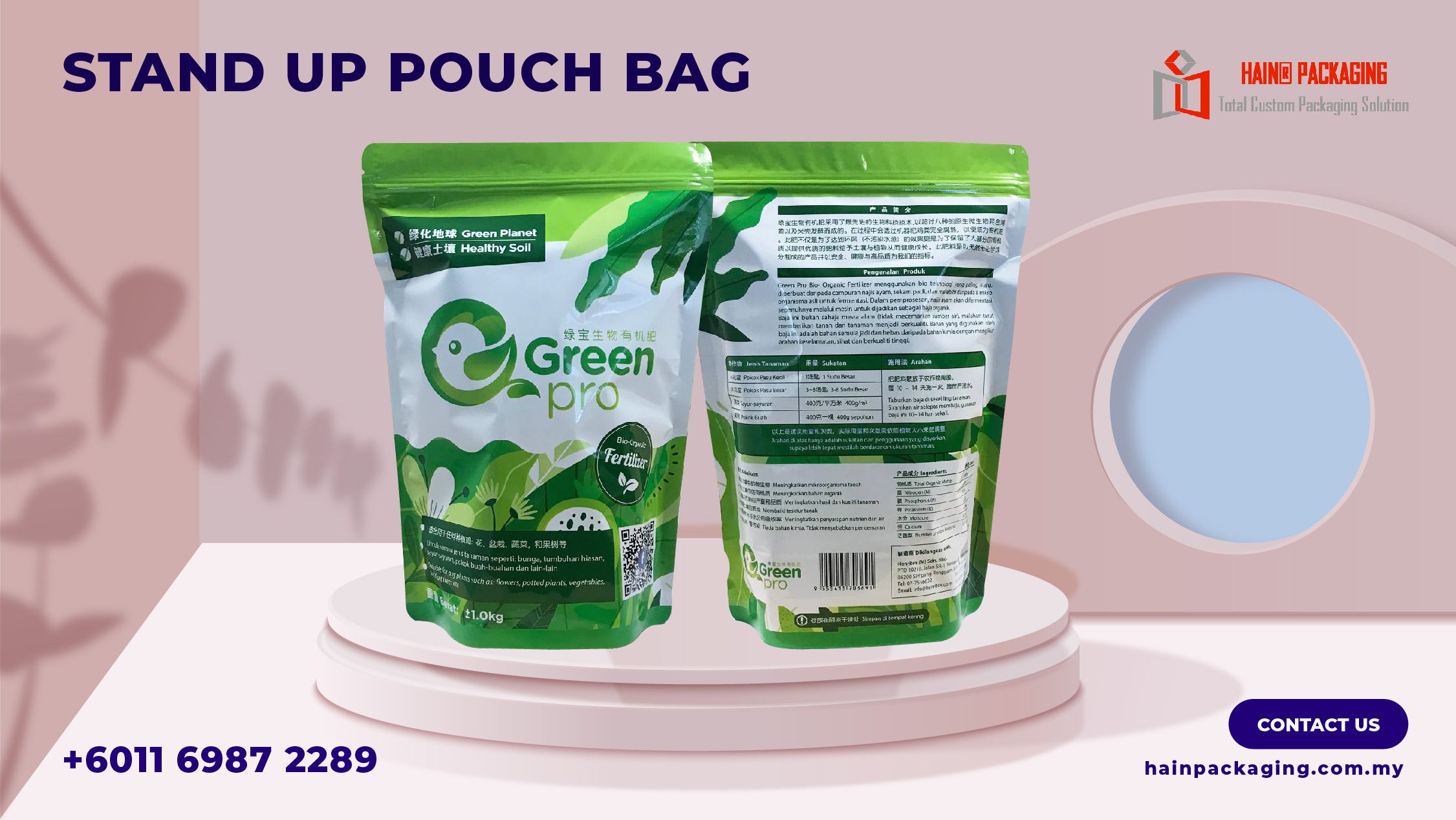
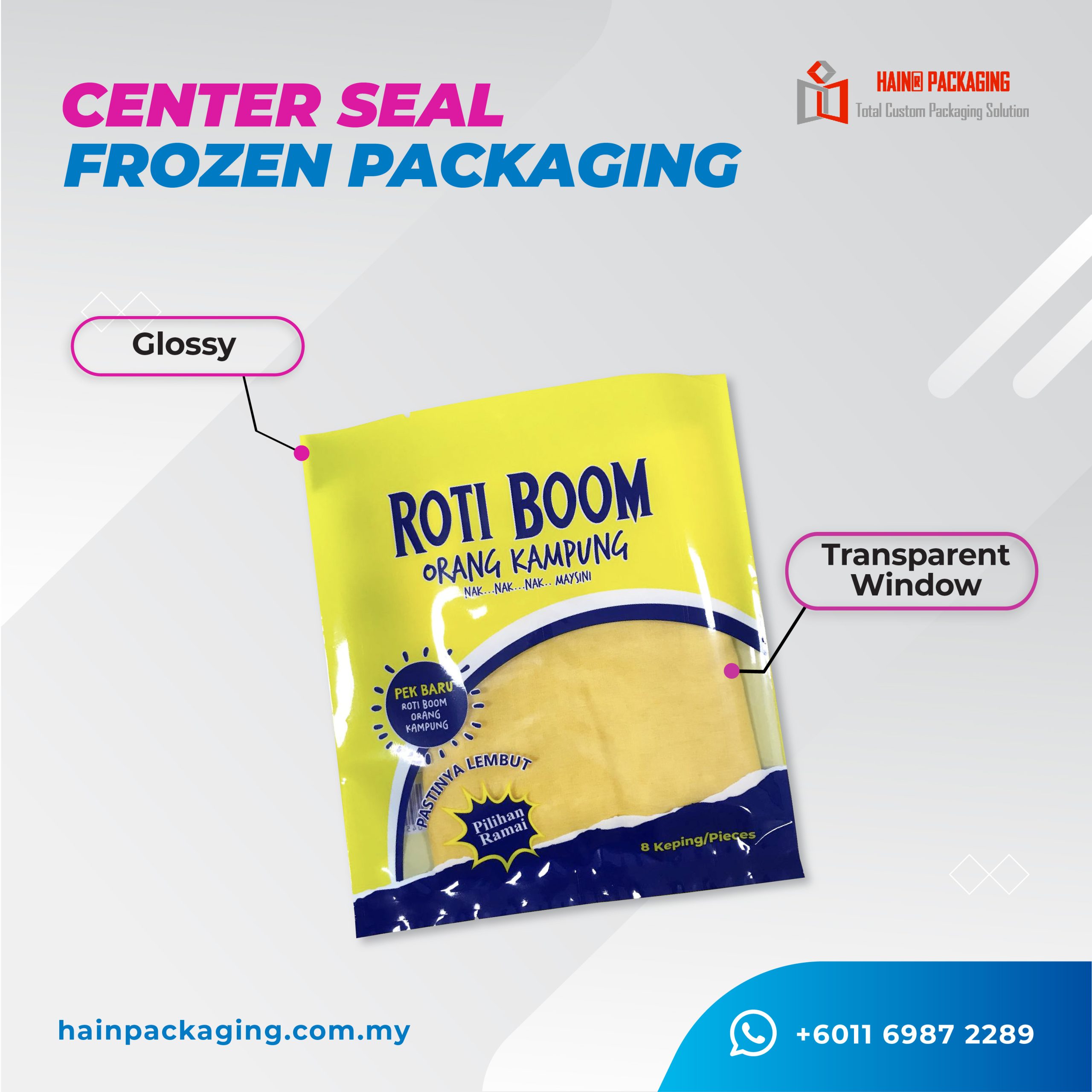
A stand-up pouch offers shelf presence and can carry a zipper, window or valve. A three-side-seal pouch is compact and often suits samples, flat portions and smaller runs. A centre-seal format can run efficiently on suitable automated lines. Flat-bottom and quad-seal options create strong panels for premium graphics and heavier fills. The right format is the one your process can fill consistently and your customer can handle without mess.
Check the opening method, tear direction, grip area and usable internal volume. A pouch may look large outside while a zipper, top seal and bottom gusset reduce the fill zone. Test the pack with the actual product rather than water or rice alone. If you are comparing structures, the stand-up pouch material guide explains common layer choices and trade-offs.
Food Pouch Packaging Supplier in Singapore: Evaluate Evidence, Not Claims
A serious evaluation asks for material identification, food-contact supporting documents relevant to the selected structure, a dimensional drawing and agreed tolerances. The Singapore Food Agency publishes the applicable food-safety legislation at sfa.gov.sg. Buyers should review the official source and obtain their own regulatory advice where needed, because legal responsibility cannot be replaced by a supplier’s marketing statement.
Ask how incoming film, printing, lamination, curing, pouch conversion and final inspection are controlled. Useful answers describe checks and records. Vague answers rely on adjectives such as premium, safe or export quality. Request a sample that represents the proposed construction, but remember that a stock sample proves only hand feel and format. It does not validate your exact printed production run.
Run a Trial Through the Real Packing Workflow
A desk review cannot reveal every failure. Fill trial pouches on the intended machine or manual station. Observe opening speed, static, pouch presentation, seal contamination and operator handling. Record jaw temperature, dwell time and pressure where heat sealing is used. Repeat the trial at the beginning and end of a shift, because warm equipment and changing room conditions can alter results.
Then challenge the finished packs. Use drop checks for heavy contents, compression for cartons, leak checks for liquids and repeated zipper cycles for multi-use products. Store units in the intended temperature range and inspect seal edges over time. The purpose is not to create a theatrical test. It is to find the weakest interface before thousands of printed pouches repeat the same fault.
Build Artwork Around the Pouch, Not a Flat Poster
Pouch artwork must respect seals, gussets, folds, zipper tracks, tear notches and registration movement. Keep small legal copy and barcodes away from unstable zones. Use sufficient contrast, retain editable source files and define spot colours where colour consistency matters. If a clear window is planned, show its relationship to the product level after filling.
Request the supplier’s current dieline and do not rebuild it from an old order. Confirm viewing direction on front and back panels, especially for roll-fed work. A physical proof or short printed trial can expose scale and legibility problems that a monitor hides. The custom printed stand-up pouch page gives further context on print planning.
Compare Quotations on Total Delivered Cost
Unit price alone hides plate or cylinder charges, artwork work, samples, freight, duties, storage and rejected stock. Convert each quotation into a common landed basis. Confirm whether quantity is counted by pieces or weight, what overrun tolerance applies, how cartons are packed and when the balance becomes payable. Ask whether a repeat order uses the same tooling and how long that tooling remains available.
| Quotation line | Question to settle | Why it changes cost |
|---|---|---|
| Material structure | What layers and thickness are included? | Barrier and yield vary by structure. |
| Print setup | Are plates, cylinders or digital setup separate? | Setup changes the economics of short runs. |
| Quantity tolerance | What overrun or underrun can be invoiced? | Cash and storage needs can move unexpectedly. |
| Freight basis | What is included through delivery? | A factory price is not a Singapore landed price. |
| Reorder terms | What changes on an identical repeat? | Tooling and lead-time assumptions may differ. |
Plan MOQ, Forecast and Inventory as One Decision
Minimum order quantity should be matched to sales velocity and artwork stability. A lower unit price is not a saving when the recipe changes, a label statement is updated or the stock absorbs humidity before use. Model base, conservative and growth demand. Add production and freight lead time, then set a reorder point that includes a realistic buffer rather than a guess.
Start-ups can reduce exposure by limiting colours, using a label on a stock pouch for an early trial or selecting a print route suited to shorter runs. Mature products may benefit from larger batches, but they still need batch traceability and controlled storage. Keep cartons off the floor, away from heat and protected from crushing.
Create a Supplier Scorecard Before the Final Choice
Score each contender against the same weighted criteria: technical fit, trial result, communication accuracy, document completeness, lead time, delivered cost and change control. Weight technical fit and trial performance more heavily than presentation. Record open questions and name the person responsible for closing each one.
- Technical fit: the structure addresses the ranked shelf-life and handling risks.
- Process fit: the pouch runs on the actual packing method without avoidable delays.
- Commercial fit: quantity, payment and delivery terms match working capital.
- Control fit: approved artwork, tolerances and revision history are unambiguous.
- Service fit: questions receive precise answers and changes are confirmed in writing.
A weighted scorecard keeps a polished sales call from overruling evidence. It also creates a record that can be reviewed when recipes, channels or volumes change.
Frequently Asked Questions
Should I choose the pouch before buying filling equipment?
Develop them together where possible. Pouch dimensions, opening behaviour and sealant layer affect machine handling, while the machine limits acceptable formats and sealing windows.
How many samples should a buyer test?
There is no universal number. Use enough units to cover filling variation, handling, storage and destructive checks. Base the sample plan on the cost and consequence of failure.
Can a stock pouch prove the final printed pouch will perform?
No. It can help confirm size and usability, but the final material, print, lamination, curing and conversion process still need review.
What information speeds up a quotation?
Provide product type, fill weight, dimensions, barrier risks, format, features, print coverage, annual volume, order quantity, delivery point and target timing.
Conclusion: Choose a Food Pouch Packaging Supplier in Singapore With a Repeatable Process
The right food pouch packaging supplier in Singapore is identified through a repeatable buying process: define the food and route, translate risks into specifications, test the real workflow, compare landed costs and lock the approved version. That approach protects more than the first order. It gives operations, quality, marketing and finance one shared reference for every reorder. Prepare your brief, collect representative product samples and request a structured quotation before committing artwork or volume.