
Sambal and laksa paste look similar in a sample jar, but recipes can differ widely in oil, water, acidity, solids and fill process. Those differences control material choice and seal behaviour. Well-planned sambal & laksa paste packaging in Singapore begins with a product risk map, followed by fill trials and distribution checks. The aim is a specification that protects flavour, contains oil and stays manageable for kitchens and consumers.
Sambal & Laksa Paste Packaging in Singapore: Map the Recipe First
Record the recipe range rather than one ideal batch. Note oil separation, particle size, acidity, salt, water activity where known and the presence of sharp ingredients such as dried shells or fibrous spices. State whether the paste is smooth, spoonable or thick enough to trap air. The pack must handle the most demanding normal batch, not only the easiest one.
List the first quality changes that matter: aroma loss, colour shift, rancid notes, water separation, microbial risk, seal staining or consumer mess. Rank them. This stops a discussion about generic “high barrier” film and directs attention to the failure that would end the product’s useful life.
For a general starting point, the published food packaging Singapore overview explains common flexible formats and buying inputs.
Set the Fill Process Before Choosing the Pouch
State the temperature and viscosity at filling, the headspace target and how product reaches the pack. Manual spooning, piston filling and form-fill-seal equipment create different contamination and alignment risks. A paste that flows easily while warm may become difficult to dose after a short delay. The operating range belongs in the brief.
Allow enough clean material above the fill line for closure. If the process smears oil or spice particles across the seal zone, stronger film will not rescue a dirty interface. Trial nozzle position, cutoff behaviour and pouch support. Record the settings that create a clean, repeatable seal.
Choose Portion Architecture Around Actual Use
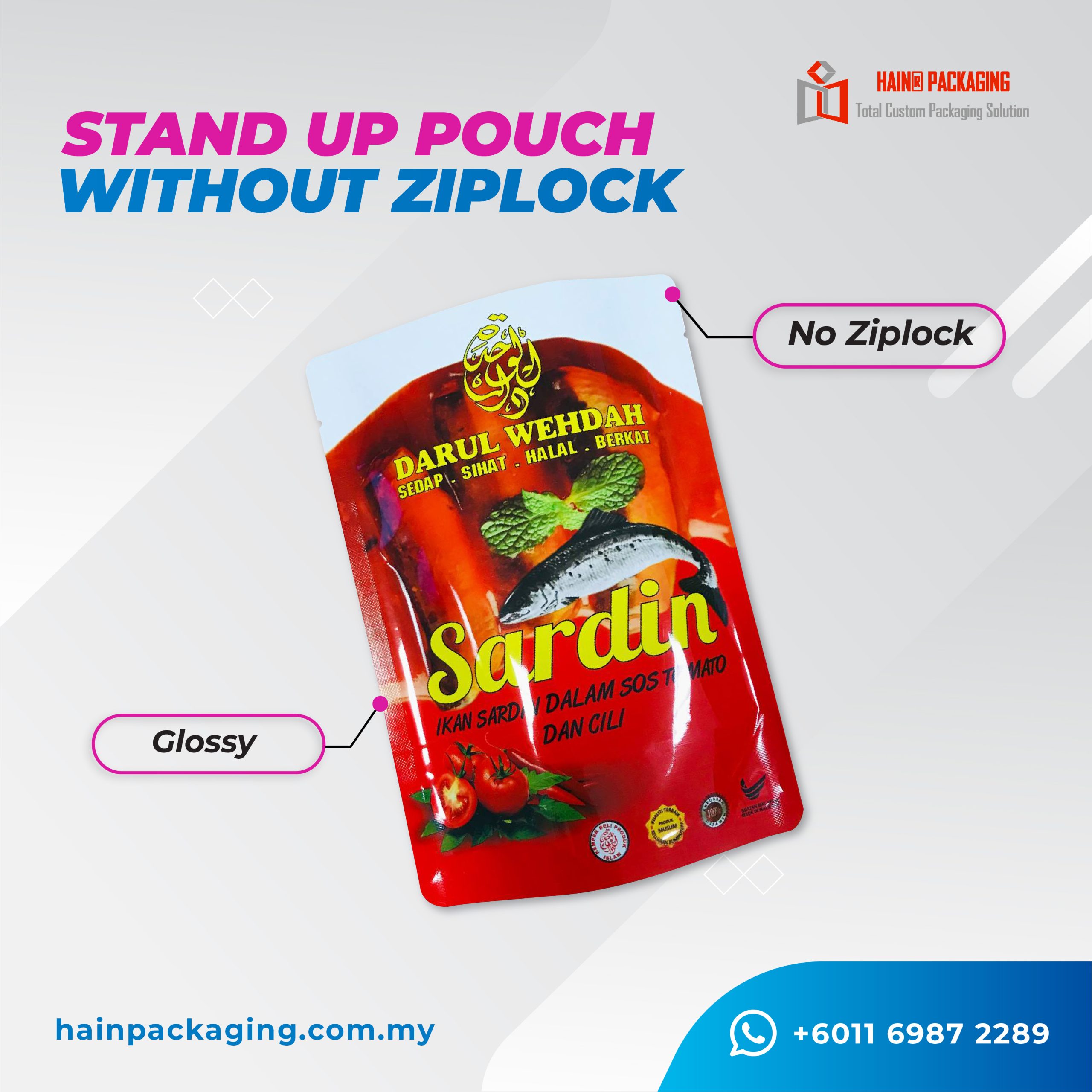
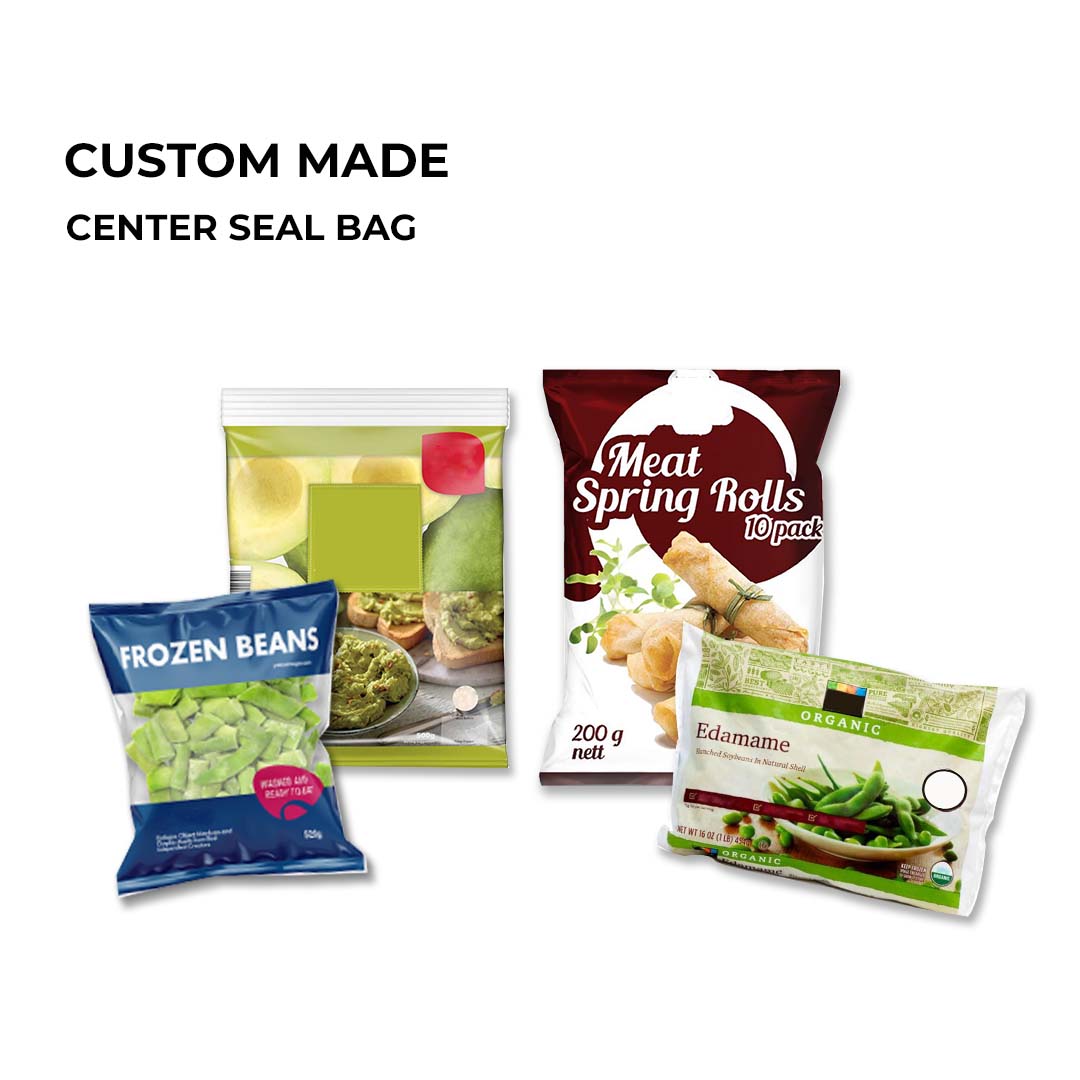
Food-service kitchens may prefer a larger pouch that empties quickly into one production batch. Retail customers may value smaller portions, a stable base and controlled pouring. A family-size refill can reduce packaging per serving but creates repeated opening and storage demands. Single-use sachets improve dosing but increase pack count.
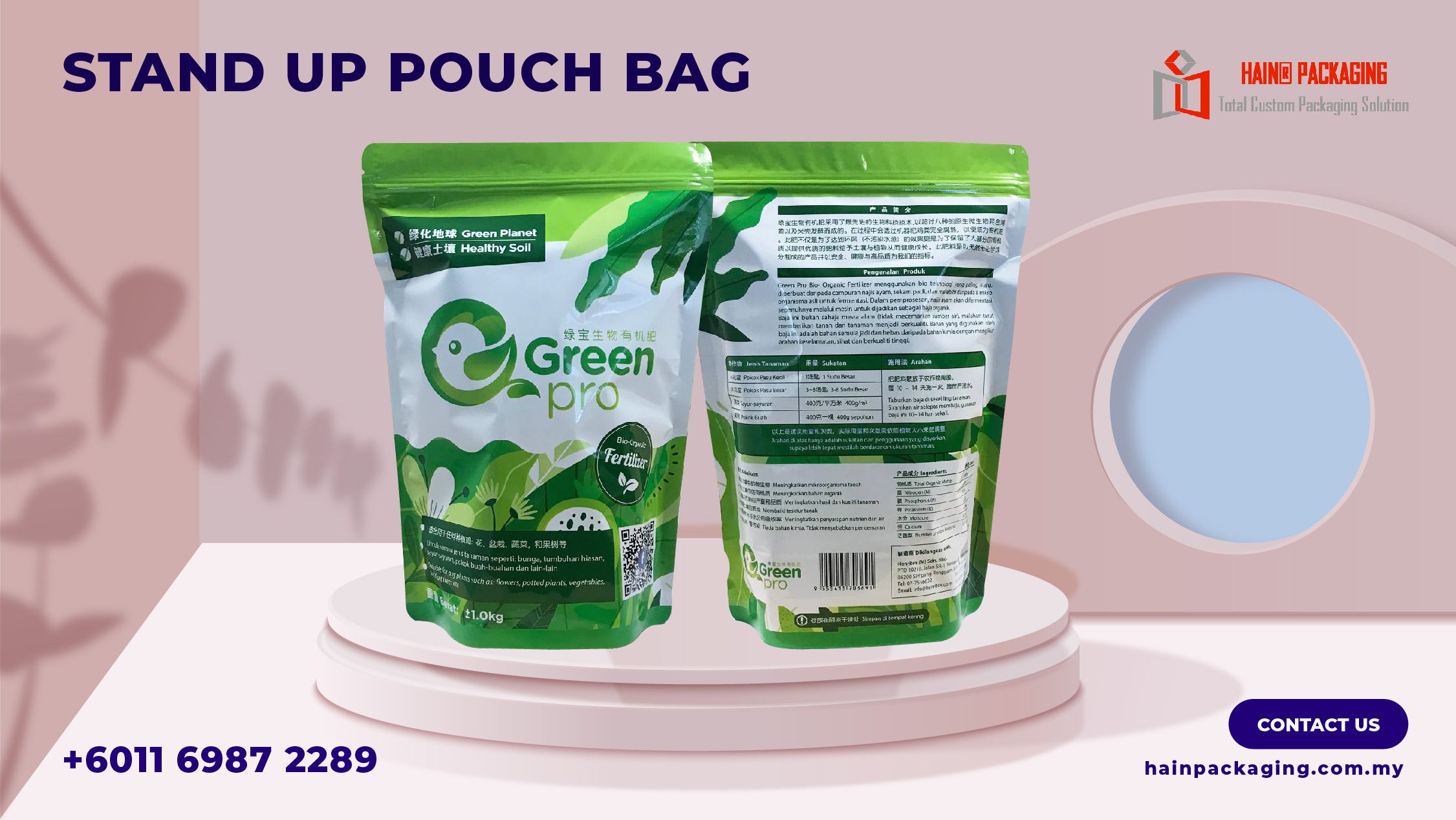
Calculate usable yield, not just nominal fill weight. Thick paste left in corners becomes product loss. Test whether users can squeeze, spoon or pour without coating the closure. For multi-use packs, locate the zipper above the product zone and give users enough grip to open it cleanly.
Control Oil, Oxygen, Light and Aroma
Oil can travel into seal areas, soften some inks or adhesives, and carry strong aromas through a weak structure. Oxygen exposure may damage flavour and colour. Light can accelerate changes in sensitive ingredients. The material proposal should identify how each layer contributes to oil resistance, barrier, toughness, sealing and print protection.
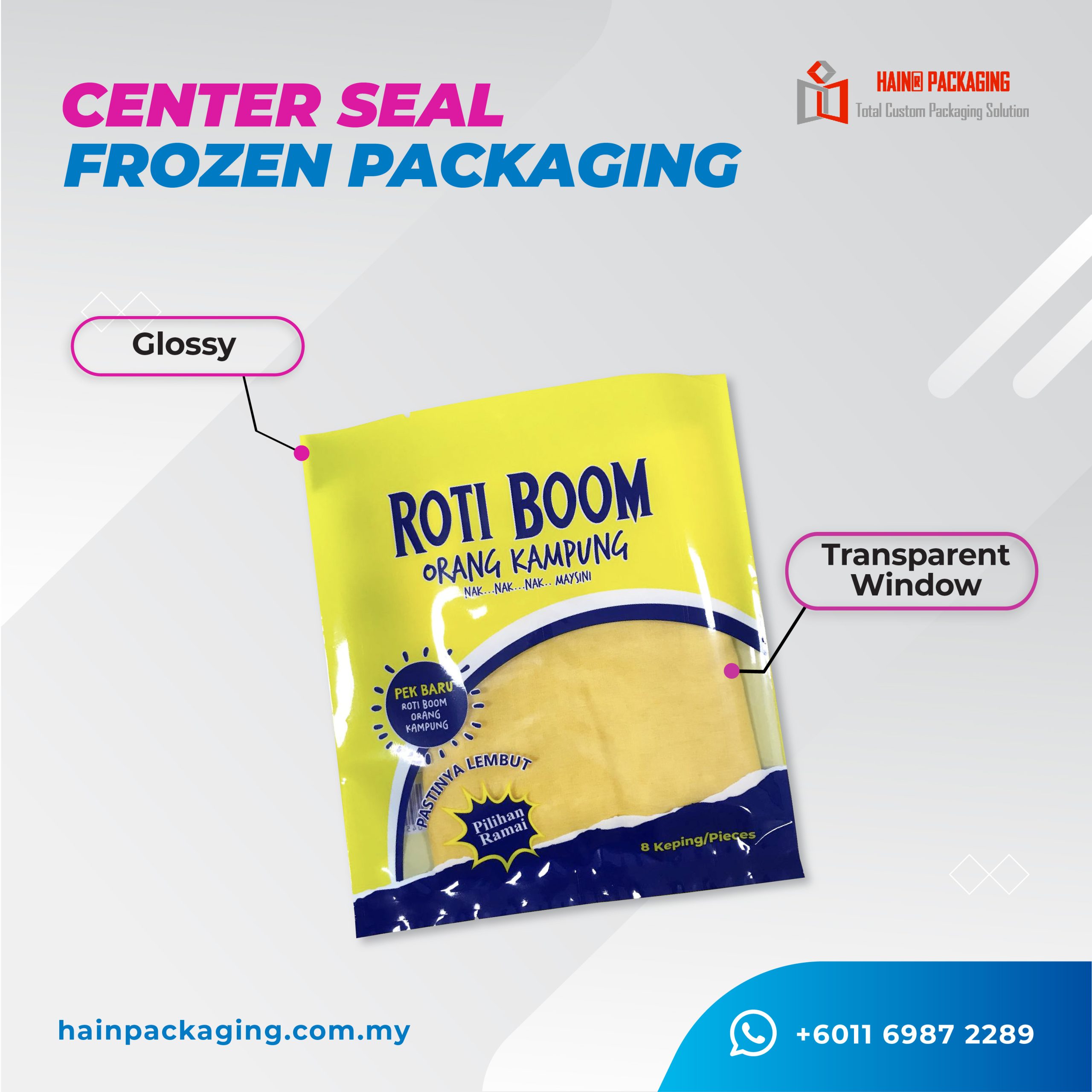
An opaque or foil-containing structure may improve protection but removes product visibility. A clear window supports merchandising but creates a barrier compromise that needs evaluation. Use your own shelf-life study under realistic Singapore storage conditions. The stand-up pouch guide provides useful background on multi-layer structures.
Sambal & Laksa Paste Packaging in Singapore: Design the Seal System
The sealant layer, pouch geometry and process settings must be evaluated together. Test seal strength across the expected fill-temperature range. Inspect corners, zipper ends and notches because stress concentrates there. For liquid-rich pastes, check slow leaks after the pouch has rested on different sides.
Use destructive checks to understand the failure mode. A seal that peels evenly behaves differently from one that channels beside a spice particle. Repeat samples across the run, not only after machine setup. Keep retained packs so later complaints can be compared with production evidence.
Protect Print From an Oily Handling Environment
Sambal and laksa paste packs often reach the customer through wet, oily kitchen handling. Keep important copy readable if the surface is wiped. Place batch and date information on a stable panel. Avoid critical small type across gussets, sharp folds or seal texture.
Use restrained colour expectations. Deep reds, browns and yellows can look different beside the actual product and under warm retail lighting. Review a physical proof with the filled pack. If a window is used, assess how oil separation changes the appearance over time.
Review Food-Safety Responsibilities and Records
Packaging is one control inside a wider food operation. The Singapore Food Agency publishes current legislation at sfa.gov.sg. Businesses should consult official sources and obtain advice appropriate to their recipe, process and route. A packaging supplier’s general statement cannot replace the operator’s own assessment.
Maintain the approved material description, drawing, artwork version, batch details and trial record. Define who can approve a substitute material or dimensional change. A small unrecorded change in sealant, thickness or zipper position can alter performance even when the pack looks the same.
Challenge the Pack Through Singapore Distribution
Simulate the longest normal path: warm packing room, carton compression, ambient transfer, chilled storage if used, retail shelf and customer transport. Stand pouches upright, lay them on each panel and expose them to vibration. Inspect oil staining, delamination signs, seal creep and print scuffing.
Include a delivery-bag test for direct-to-consumer orders. A flexible pouch can be punctured by another item’s edge or squeezed by a drink. Secondary containment may be appropriate for a high-consequence leak. Keep the outer system compact so pouches do not slide and fold during the ride.
Build a Purchase Specification That Can Be Reordered
| Field | What to record | Reason |
|---|---|---|
| Recipe envelope | Oil, acidity, solids, viscosity and particle limits | Defines the normal product range. |
| Fill process | Temperature, equipment, speed and headspace | Links the pouch to production reality. |
| Pouch construction | Layers, thickness, dimensions and features | Prevents vague substitutions. |
| Seal parameters | Validated operating window from your trial | Supports repeatable closure. |
| Artwork version | Approved file, dieline and variable fields | Controls print changes. |
| Inspection plan | Dimensions, appearance, seal and leak checks | Sets acceptance expectations. |
Attach approved filled samples where storage allows. Review the specification before every artwork change and when a recipe or process shifts. A controlled reorder is faster than rebuilding assumptions after a failure.
Use a staged approval path before volume production. First approve dimensions and opening behaviour with an unprinted sample. Next approve the proposed material after filling, sealing and storage checks. Review artwork against the current dieline, then inspect a printed proof for colour, registration, legibility and code position. Finally, compare production samples with the signed references. This sequence gives each team a clear decision point and prevents a visual approval from being mistaken for technical approval.
Set the same discipline for incoming orders. Check carton condition, pouch dimensions, print version, zipper position and representative seals before releasing stock to production. Record observations by supplier batch. If results drift, stop and investigate before product is filled. Early containment costs less than tracing a mixed batch through storage and delivery.
Frequently Asked Questions
Is a zipper suitable for oily paste?
It can be, but product in the zipper track may make repeated closure messy or unreliable. Test consumer handling with the actual viscosity and portion pattern.
Should sambal and laksa paste use the same pouch?
Only if their recipe envelope, fill process, barrier need and distribution conditions are sufficiently similar. Compare the highest-risk version of each product.
Can a clear pouch protect colour and aroma?
Clarity does not reveal the full barrier performance. Ask for the structure data and verify the chosen option through your own shelf-life work.
What is the most useful first sample?
A correctly sized unprinted pouch in the proposed construction is useful for filling and handling trials. Print can follow after the format and process are stable.
Conclusion: Specify Sambal & Laksa Paste Packaging in Singapore From Evidence
Dependable sambal & laksa paste packaging in Singapore comes from evidence about the recipe, filling range, seal system and route. Define the most demanding normal product, preserve a clean closure zone, test barrier choices with the real food and document every approved detail. This process protects flavour and reduces costly variation between first production and reorder. Compare relevant stand-up pouch materials and resealable food pouch options before arranging a fill trial.