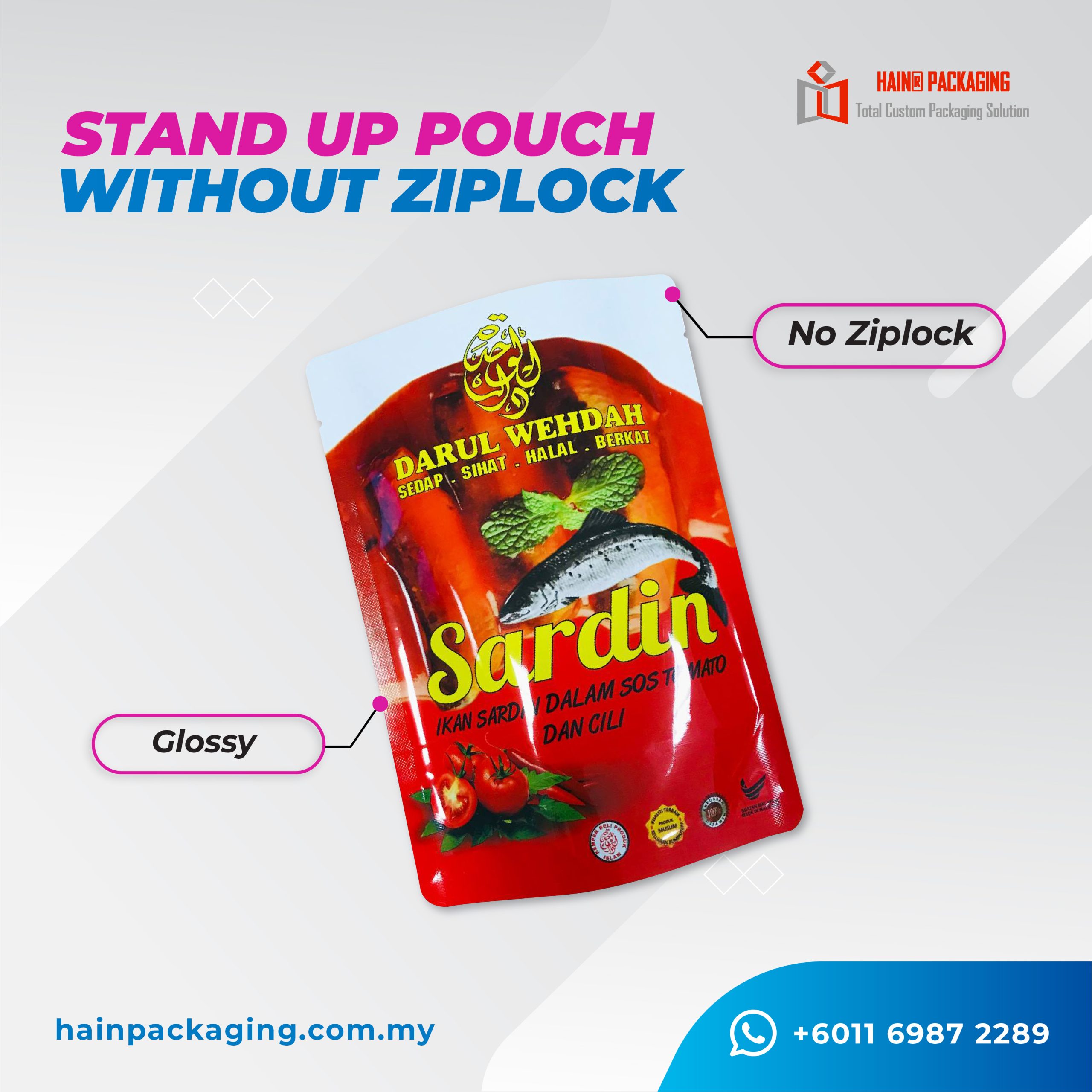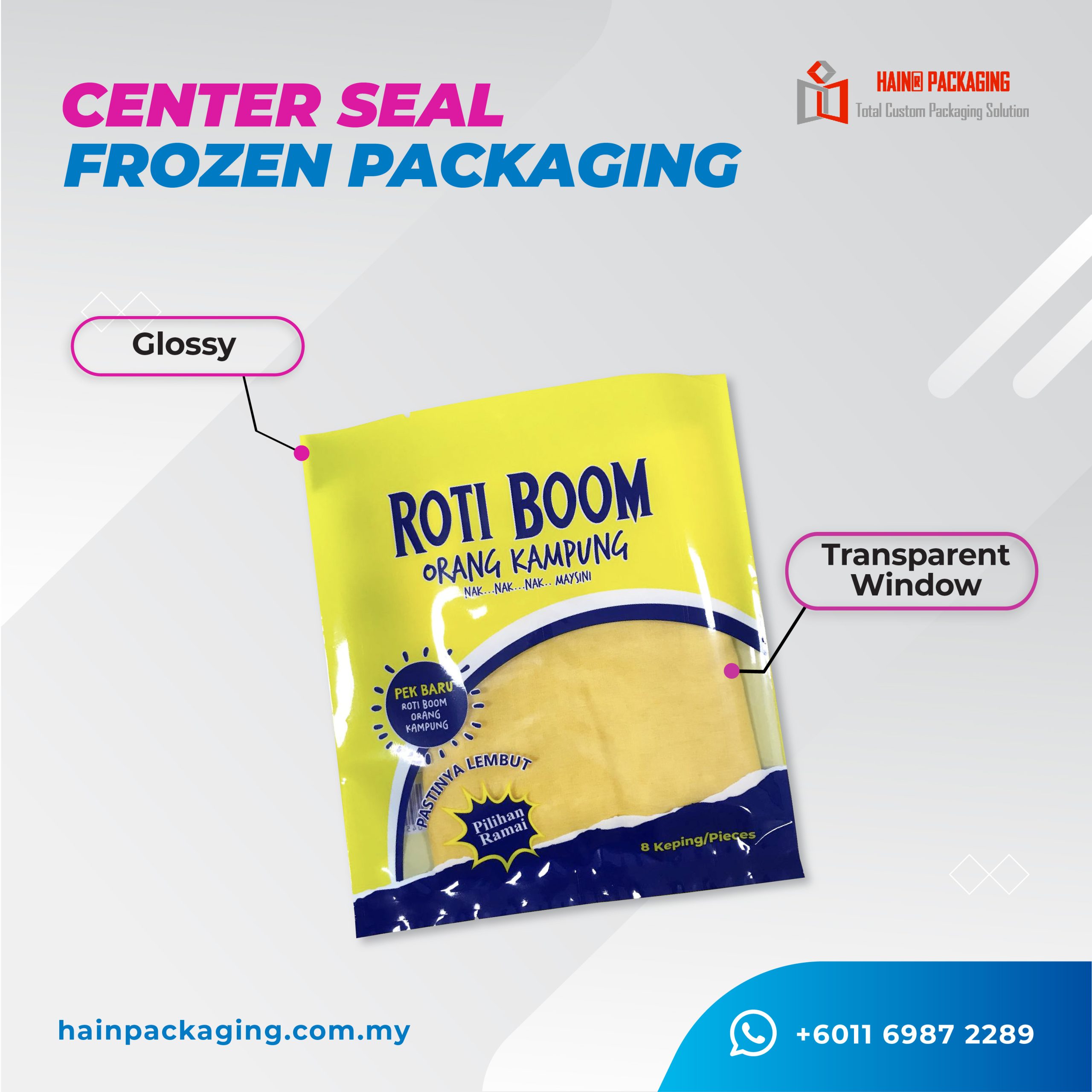

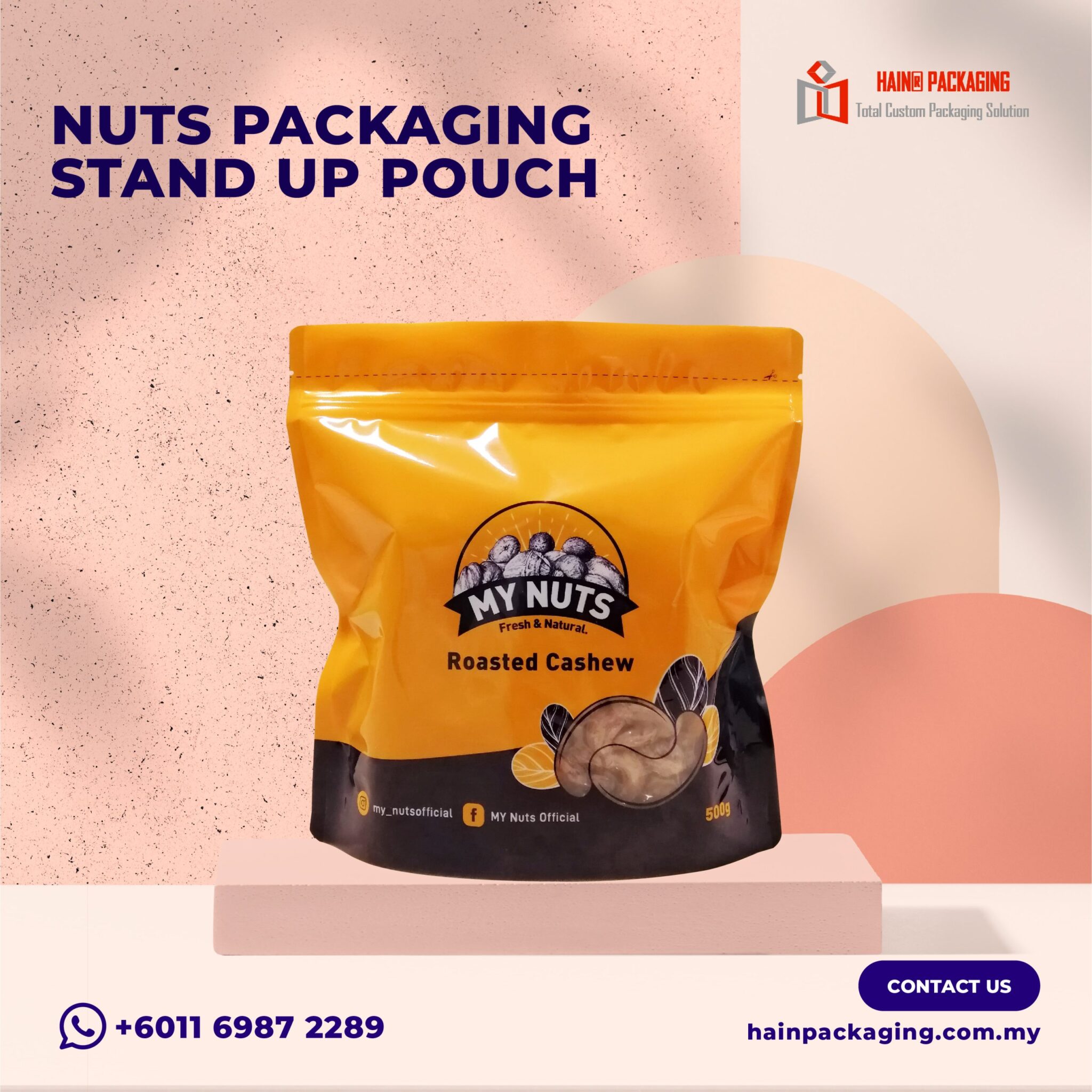
Frozen roti prata and curry puff reach the customer through a chain that is far harder on packaging than a chilled or ambient product. Dough is frozen, thawed, cooked, refrozen in some workflows, stacked, transported in mixed cartons and handled by staff who are moving quickly. Roti prata and curry puff packaging Singapore buyers who specify on price alone usually discover the real cost later, in broken pastry, freezer burn, oily seals and cartons that crush on the bottom pallet layer. This guide sets out the decisions that matter, in the order a Singapore manufacturer or central kitchen should make them.
Key Takeaways
- Roti prata and curry puff packaging Singapore specifications should be set by the most demanding product in the range, not the easiest one.
- Frozen pastry failure is mechanical before it is microbiological. Breakage, freezer burn and seal failure account for most rejected stock.
- Specify against the coldest and driest point of your chain, not against an average warehouse day.
- Ghee, oil and wet fillings migrate. The film, the seal zone and the closure must be chosen with that migration in mind.
- Flour dust on the seal area is the most common cause of weak seals on curry puff and prata lines.
- Carton fit, stack height and pallet pattern decide damage rates more than film thickness does.
- A torn carton is the first thing a customer sees, so size the carton to the measured stack height rather than to a round unit count.
What to Decide First
- Start with the product, not the pouch
- Freezer conditions define the film
- Oil, ghee and filling migration
- Seal integrity on floured and oily surfaces
- Stack strength, carton fit and pallet reality
- Retail and food service handling
- Specifications, trials and order planning
- Frequently asked questions
Roti Prata and Curry Puff Packaging Singapore: Start with the Product
Write down the product range before you look at any material. Plain roti prata, prata with egg or cheese, curry puff with potato, sardine or chicken, and any spiced variant all behave differently in a pack. Note the water content of the filling, the fat content of the dough, the amount of free oil on the surface after cooking, and the size range from the smallest to the largest unit. State whether the product goes into the pack raw, par-baked or fully cooked, because each route produces a very different moisture and fat load at the seal.
Next, record the shape and the fragile points. A folded roti prata has thin edges that crack first. A crimped curry puff has a ridge that punctures neighbouring units when they rub together. Square or rectangular units stack efficiently but concentrate pressure on corners. Round units roll against each other and abrade printed surfaces. Sketch the unit and mark where damage starts, then design the pack to protect those points.
Finally, decide what “acceptable” means after thawing and cooking. Some buyers accept slight surface frost if the pastry cooks out clean. Others sell a premium product where any ice crystal visible through the film triggers a rejection. Writing that acceptance limit into the brief prevents a long argument later and gives your supplier a measurable target. For the wider cold chain background behind this stage, the frozen food packaging Singapore guide covers freezer film behaviour in more depth.
Freezer Conditions Define the Film
A frozen product lives at a temperature where the film itself becomes less forgiving. Polymers that are flexible at room temperature stiffen in the freezer, and a stiff film transmits impact straight to the pastry instead of absorbing it. Ask for material data at freezer temperature rather than ambient temperature, and ask specifically about puncture resistance and flex crack resistance after cold conditioning.
Freezer burn is a moisture problem, not a temperature problem. Water leaves the product, becomes vapour, and either escapes through the pack or refreezes on the inside surface as frost. A pack that loses moisture lets the pastry dry and oxidise. A pack that traps moisture perfectly will show frost inside the film, which buyers read as age even when the product is sound. The practical answer is a barrier that slows vapour transmission enough to hold product weight across your intended storage period, combined with a fill that leaves as little headspace air as possible.
Singapore adds a second condition. Products move repeatedly between a production freezer, a delivery vehicle, a retail freezer and a consumer freezer, and each transfer adds temperature cycling. Cycling grows ice crystals, and growing crystals puncture from the inside. Test your candidate pack through at least three realistic cycles before you commit, and weigh units before and after to measure actual moisture loss rather than relying on appearance. The laminated stand up pouch Singapore reference explains how multi-layer structures deliver that barrier.
Condensation is the mirror image of freezer burn. When a pack leaves the freezer into humid Singapore air, water condenses on the outside of the film and can soak an outer carton. If your product ships in a printed carton, specify how the carton handles that surface moisture, or the print will rub and the carton will soften at the corners.
Oil, Ghee and Filling Migration
Roti prata and curry puff carry fat on two fronts: fat worked into the dough, and free oil or ghee released during cooking. Free oil is the harder problem. It sits on the surface, moves to the lowest point of the pack, pools around the seal, and stains any printed area it touches. Over a long storage period it can also interact with the sealant layer and with some inks and adhesives.
Treat oil as a specification input rather than a nuisance. Note how much free oil is present after cooling, whether the product is packed hot or cold, and whether the filling itself is oily, as with sardine or spiced potato. Then ask your supplier which sealant layer and which ink and adhesive system are appropriate for that oil load, and request a migration check on the actual product rather than on a simulant.
There is a design answer as well as a material answer. An inner liner or a slightly larger pack reduces contact between oil and printed surface. A pack that stands the product on its edge rather than flat changes where oil collects. A small change in pack orientation during storage can move oil away from the closure entirely. Ask for trial units packed in two orientations and compare them after storage before you choose.
Remember that oil also affects how the consumer handles the pack. A film that becomes slippery when coated is difficult to open and easy to drop. If your product is sold for home cooking, an easy-open feature placed away from the oil pool makes the pack noticeably easier to use, and that difference shows up in repeat purchase.
Seal Integrity on Floured and Oily Surfaces
Weak closures are the single most common defect reported in roti prata and curry puff packaging Singapore lines. Seal failure on those lines is rarely a machine problem. It is usually contamination. Flour dust, sugar, spice powder or oil in the seal zone prevents the two film faces from fusing, and the result is a seal that looks closed and opens under load. Walk the line and identify every point where dust can reach the seal area, from flouring tables to crimping stations to the conveyor that carries units into the pack.
Once the contamination points are known, fix them in order. Fit a wipe or air knife before the sealing stage. Change the pouch presentation so the seal area is presented away from the dusty surface. Adjust the jaw dwell and temperature rather than simply increasing pressure, because excessive pressure squeezes sealant out of the zone and produces a brittle seal. Keep a record of the settings that produce a clean seal, and treat those settings as part of the product specification, not as operator preference.
Verify seals with a method that detects weak closures, not just open ones. Visual inspection misses seals that are 80 percent fused. A dye penetration test, a bubble test or a peel strength measurement on samples taken at the start, middle and end of each run will show where the process drifts. Sample at the end of a long run in particular, because jaw temperature and film tension both change as the run progresses.
Buyers comparing formats should also read the food packaging Singapore overview, which sets out where a pillow pouch, a centre seal pouch and a stand up format each make sense for a frozen unit.
Stack Strength, Carton Fit and Pallet Reality
Most frozen pastry damage happens in the carton, not in the pouch. Units are stacked, the stack is boxed, boxes are palletised, and the bottom layer carries the weight of everything above it through a humid cold chain. A carton that is sized loosely lets units shift and break. A carton that is sized tightly transfers impact directly into the product.
Measure the actual stack height of your units under a representative load, then specify the carton internal dimension against that measured height rather than against a nominal unit count. Allow for the fact that frozen units are more rigid than thawing ones, and that a partially thawed stack behaves differently again. If you ship both a retail pack and a food service bulk pack, size each carton separately.
Pallet pattern matters more than most buyers expect. An interlocked pattern distributes load better than a column stack. Overhang concentrates load on the carton edge and crushes corners. Stretch wrap tension that is too high pulls cartons out of square. Ask your logistics partner for the actual pattern and wrap tension they use, then test a full pallet through one distribution cycle before you finalise the carton.
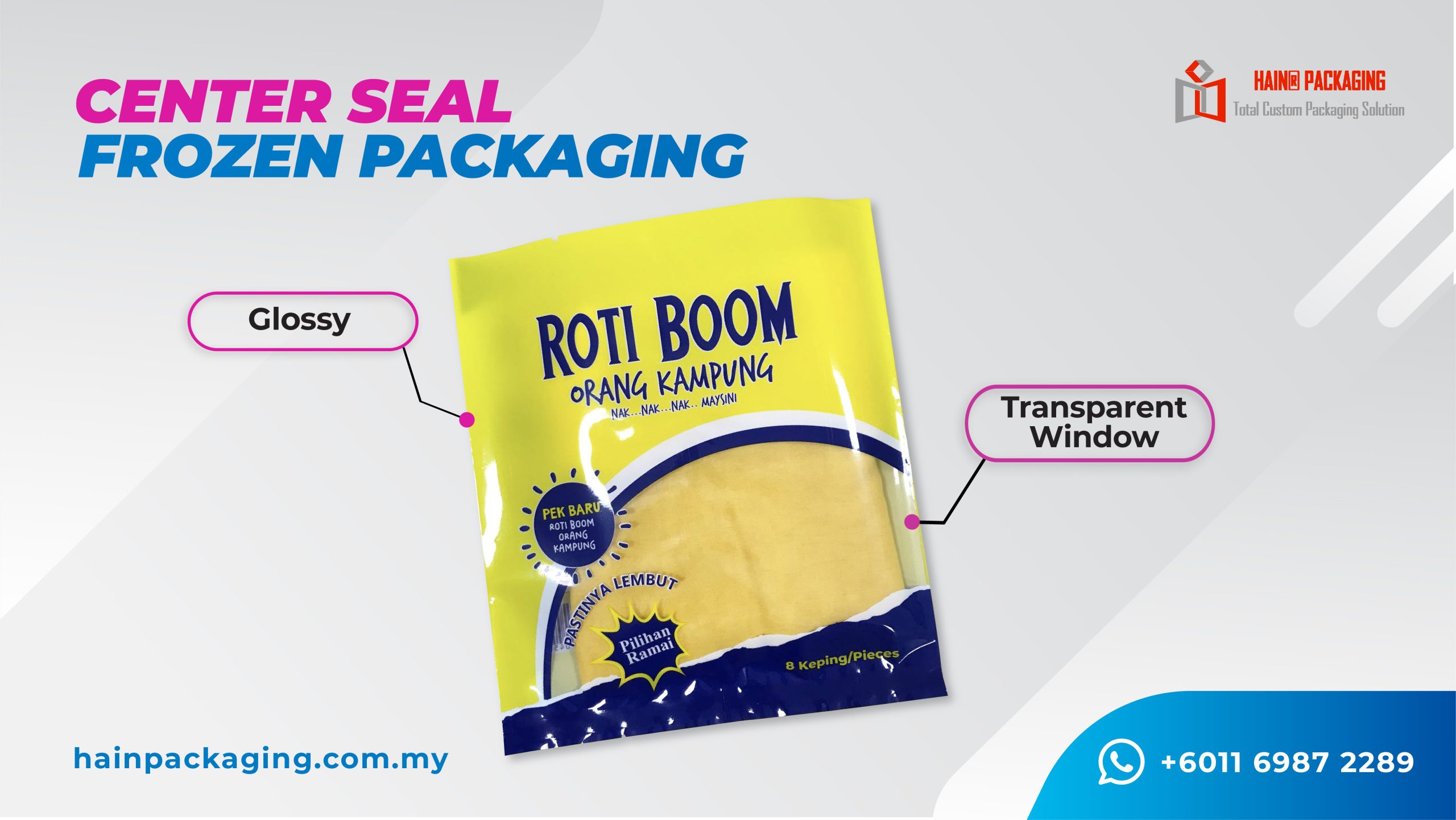
Choose between a printed pouch in a plain carton and a plain pouch in a printed carton based on where the purchase decision happens. If the unit is sold loose from a freezer chest, the pouch carries the brand and must hold print quality under frost and handling. If the unit is sold as a boxed retail pack, the carton can carry the print and the pouch can be specified purely for barrier and seal performance, which usually lowers cost.
Retail and Food Service Handling
Trace the pack through the last two steps of the chain, because that is where most complaints originate. In a supermarket, staff open cartons with a knife, and a knife that reaches the pouch is a common cause of punctured units. In a food service kitchen, staff open packs with wet hands, often while the pack is still partly frozen, and a closure that is stiff in cold conditions will be forced rather than opened.
Design for those two realities. Specify a tear notch or easy-open feature that works when the film is cold and slightly wet. Ask for an opening force measurement taken on frozen packs, not on packs conditioned at room temperature. If your product goes into a hot holding cabinet after cooking, state the temperature and duration so the closure and any label adhesive are specified for that condition.
Labelling survives or fails in the same window. A label applied to a cold, slightly damp film will lift at the edge. Condensation after removal from the freezer does the same. If you apply labels at production, specify an adhesive rated for cold and damp application, and apply to a dry film. If you print the pouch instead, confirm that the ink system resists the oil load and the frost cycle described above.
Portion control is the other handling question worth settling early. A multipack that is sealed as one unit and then split in a kitchen behaves differently from a pack of individually wrapped units. Individually wrapped units cost more per unit but protect the remainder once the pack is opened, which matters for a household freezer where a part-used pack may sit for weeks. Wholesale and food service buyers usually prefer a bulk pack with a recloseable feature, while retail buyers usually prefer individual units in a printed carton. Decide this before artwork, because it changes both the pack format and the carton.
Bakeries running a mixed range often standardise the carry format across lines. Where that is the case, the plastic bags for bakeries Singapore guide explains how counter and takeaway formats differ from frozen retail formats.
Specifications, Trials and Order Planning
Turn every decision above into a written specification. A usable specification states the product range and the worst case within it, the storage temperature range and number of cycles, the maximum acceptable moisture loss, the barrier target, the seal strength target and the test method, the carton internal dimensions, the pallet pattern, the print system and the acceptance limits for damage after a distribution trial. It is longer than most buyers expect, and it is the document that prevents a repeat of the same dispute at every reorder.
Run trials in three stages rather than one. The first stage is bench trials on empty packs: seal strength, puncture resistance, cold flexibility. The second stage is product trials: fill on the real line, seal under real conditions, store through the real cycle, then weigh and cook. The third stage is a distribution trial: one full pallet through your actual route, with damage counted at the far end. Only the third stage tells you what the customer will receive.
Plan the order backwards from your launch or promotion date. Standard production runs about 10 to 12 weeks after deposit and artwork approval. A rush order runs about 5 to 7 weeks. Sampling time, any rush surcharge and freight are quoted per order because they depend on the specification, the quantity and the delivery point, so ask for those figures in writing when you request a quotation rather than assuming a standard figure.
Keep your own compliance records in order as well. Food businesses operating in Singapore should confirm their current obligations directly with the Singapore Food Agency, and the Singapore Food Agency legislation page is the authoritative source for the Food Safety and Security Act. Keep supplier declarations for food contact materials on file and match each delivery to its production batch.
Frequently Asked Questions
Why do my curry puff seals open even though the machine settings look correct?
In most cases the seal zone is contaminated with flour or oil before it reaches the jaw. Fit a wipe or air knife upstream, change pouch presentation so the seal area stays clear, and re-measure peel strength at the start, middle and end of a run rather than relying on visual checks.
Should I choose a foil-based laminate for frozen roti prata?
A high barrier laminate helps when moisture loss, oxidation or light exposure is the limiting factor for your storage period. It is not automatically the right answer, because stiffer structures transmit impact. Compare a foil-based option against a clear high barrier option through the same freeze and distribution cycle and let the measured result decide.
How do I stop frost forming inside the pack?
Reduce the air in the pack at filling, fill at a consistent product temperature, and avoid temperature cycling between production, transport and retail storage. Some frost is normal in a frozen pack, so agree an acceptance limit with your customer in writing before launch.
Should the pouch or the carton carry the print?
It depends on where the purchase decision happens. Loose units sold from a freezer chest need a printed pouch that survives frost and handling. Boxed retail units can use a plain pouch and put the print on the carton, which usually costs less.
Can I use one pack across my whole frozen pastry range?
You can standardise the format, but the specification should be set by the most demanding product in the range. A pack specified for the largest, oiliest, most fragile unit will usually protect the rest, while a pack specified for the easiest unit will fail somewhere in the range.
Next Step
Roti prata and curry puff packaging Singapore decisions come down to six inputs: product range, freezer conditions, oil load, seal conditions, carton fit and handling. Write the specification before you request a quotation. Start with the product range and its worst case, then freezer conditions, oil load, seal conditions, carton fit and pallet pattern, and finish with measurable acceptance limits. Bring that document to your supplier and the quotation you receive will be comparable against others instead of being a guess. Speak to the HAIN packaging team with your product range and storage conditions, and request trial units packed in two orientations so you can compare them after a full freeze cycle.