
Plastic Bags for Supermarkets & Convenience Stores Singapore — Choosing the Right Solution
Supermarkets and convenience stores may both be in the retail grocery space, but their plastic bag needs are surprisingly different. What works at a FairPrice Xtra hypermarket in Jurong Point is rarely the right choice for a 7-Eleven at a Shell station. If you need plastic bags for supermarkets Singapore or convenience store bag solutions, this guide helps you choose the right option for your retail format.
Getting the bag choice right affects operational efficiency, customer experience, and cost per transaction. Here is how to match the right plastic bag to your specific retail format.
Supermarket vs Convenience Store: Divergent Needs — Plastic Bags For Supermarkets Singapore
Before diving into product options, it helps to understand how the two retail formats differ at the checkout counter:
| Factor | Supermarket (FairPrice, Sheng Siong, Cold Storage) | Convenience Store (7-Eleven, Cheers, Shell Select) |
|---|---|---|
| Average Transaction Size | $30–$80 | $5–$15 |
| Items per Purchase | 8–20+ items | 1–5 items |
| Bagging Speed Required | High (cashier-assisted) | Very high (self-bagging) |
| Bag Size Needed | Large (24″–30″) | Small to Medium (12″–20″) |
| Priority Feature | Load-bearing capacity | Quick-open with minimal fuss |
| Branding Potential | High (store loyalty focus) | Moderate (often branded) |
| Annual Volume | 500,000–5,000,000+ bags | 50,000–500,000 bags |
Option 1: HDPE T-Shirt Bags — The Supermarket Standard
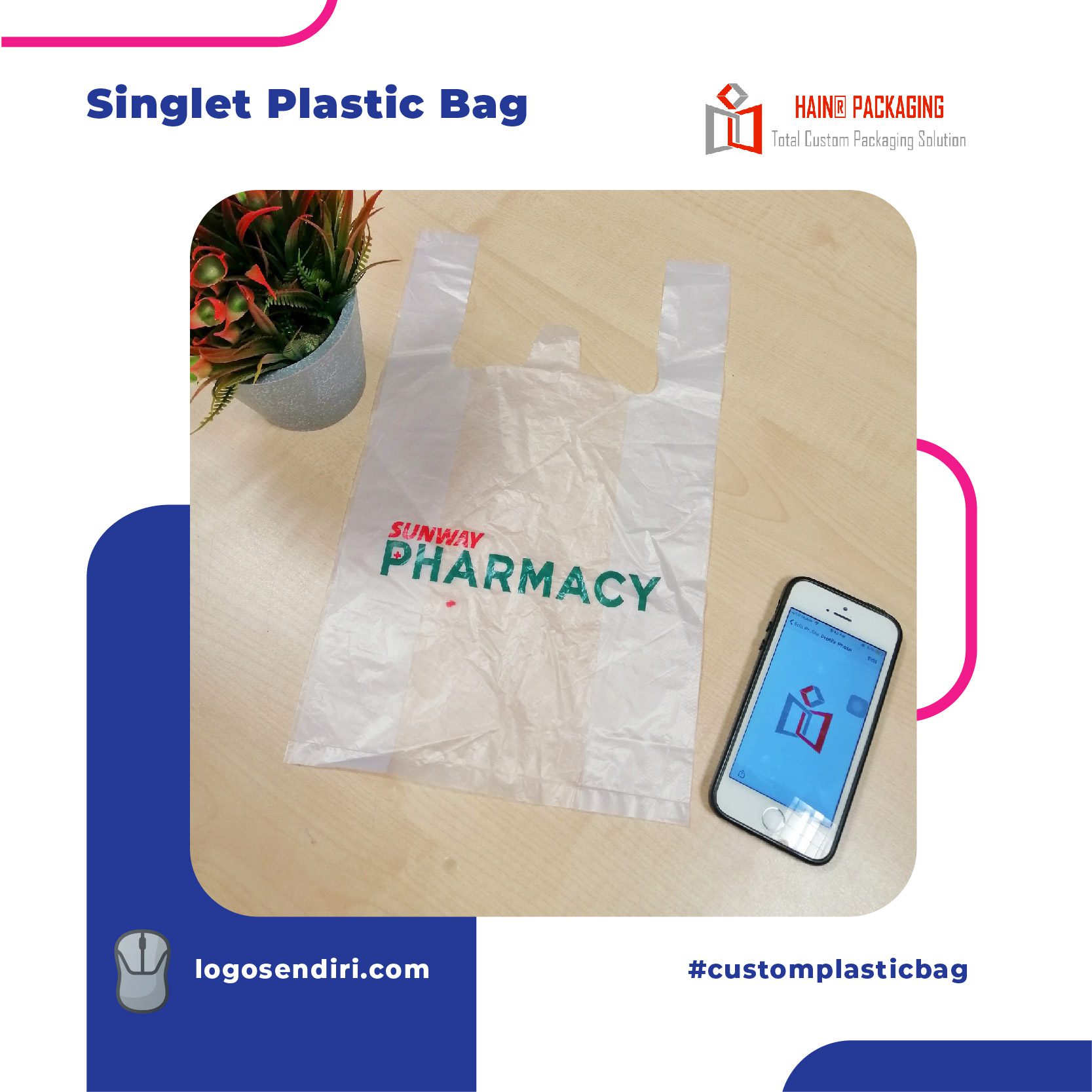
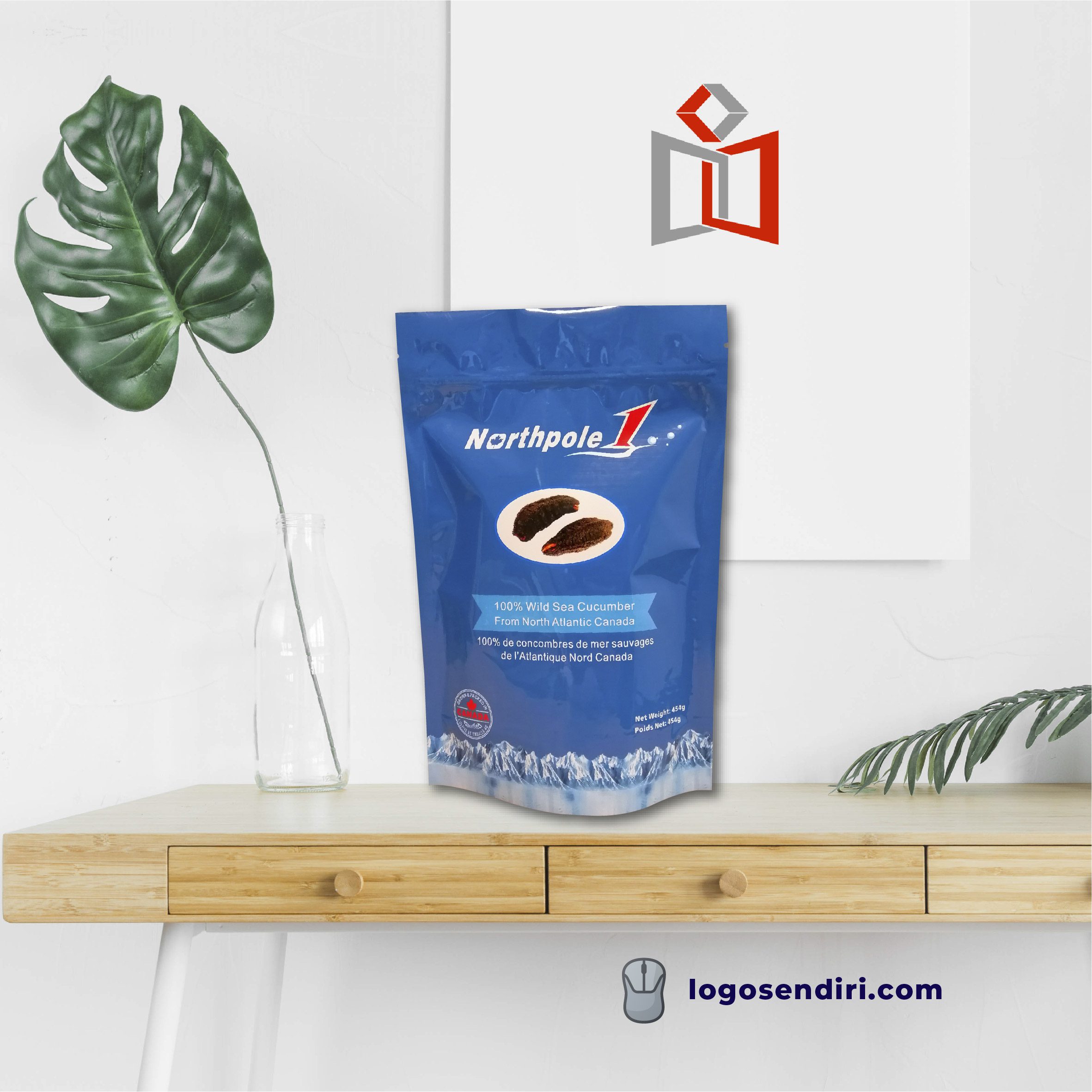
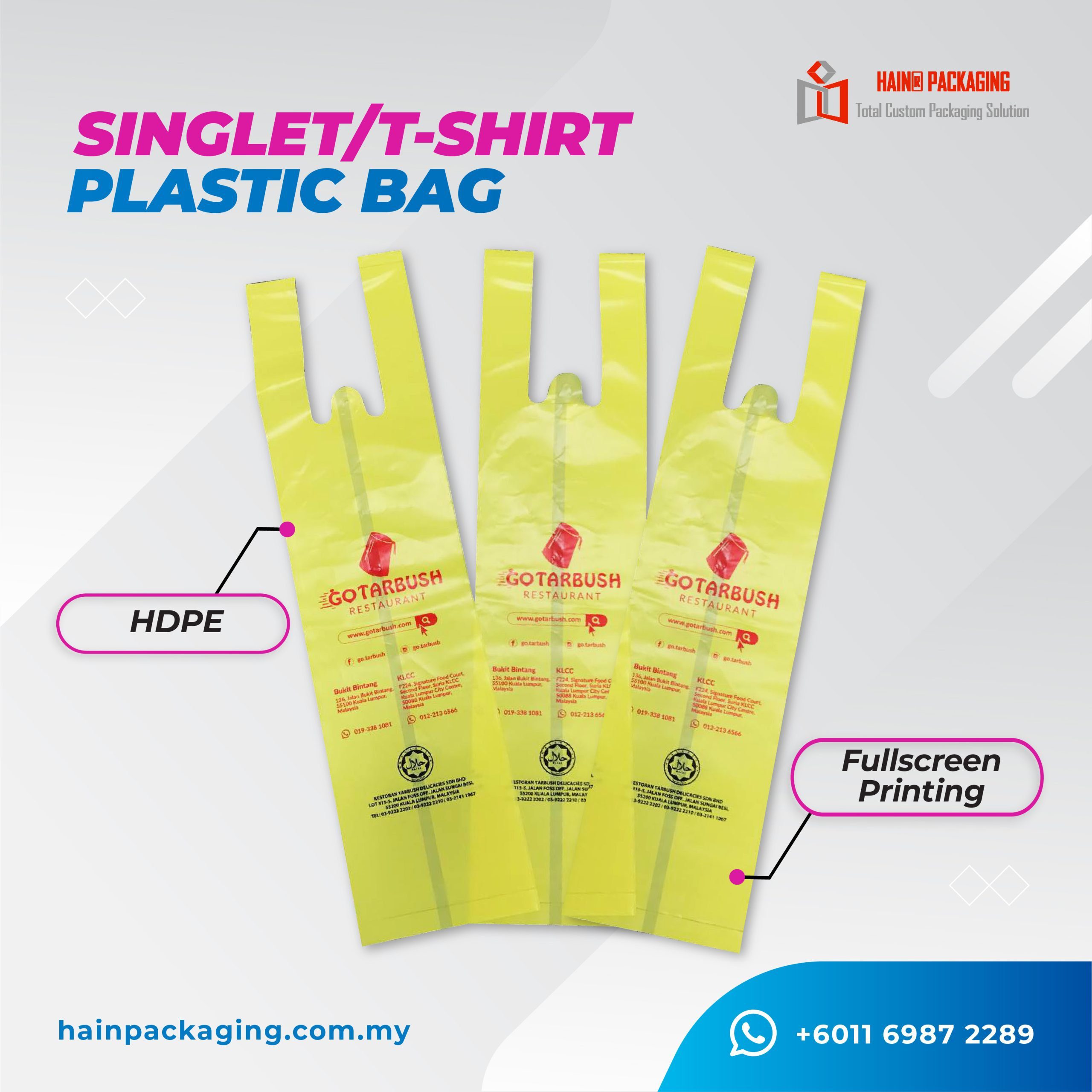
The T-shirt plastic bag — or singlet bag — is the undisputed champion of Singapore’s supermarket checkout counters. Made from HDPE (High-Density Polyethylene), these bags are engineered for carrying heavy loads reliably at minimal cost. With load capacity of 3–5 kg using very thin material (15–25 microns), they keep material costs low while ensuring reliable performance at high-traffic checkout counters.
Why supermarkets choose HDPE T-shirt bags:
- Load capacity: HDPE’s molecular structure delivers excellent strength-to-weight ratio
- Bulk storage: Flat-packed in bundles of 500–1,000, taking up minimal space
- Quick-dispensing: The T-shirt design allows single-hand bag opening — critical for high-traffic hours
- Custom printing: Full-colour branding available for walking advertisements
- Recyclability: HDPE is widely accepted in Singapore’s plastic recycling streams (resin code #2)
Option 2: HDPE Grab-and-Go Bags for Convenience Stores
Convenience stores operate differently. With self-checkout lanes taking over and customers bagging their own items, the bag needs to open effortlessly without tearing. Perforated roll formats are popular — bags mounted on rolls at checkout allow customers to tear off one bag at a time, reducing waste. Wicketed bags (loosely sealed on a wicket pin) also allow single-bag dispensing.
For convenience stores in high-footfall locations such as MRT stations and petrol kiosks, quick-dispensing bag formats reduce queue time and improve the self-checkout experience. Perforated roll bags are particularly effective in these environments because they allow one-handed bag opening.
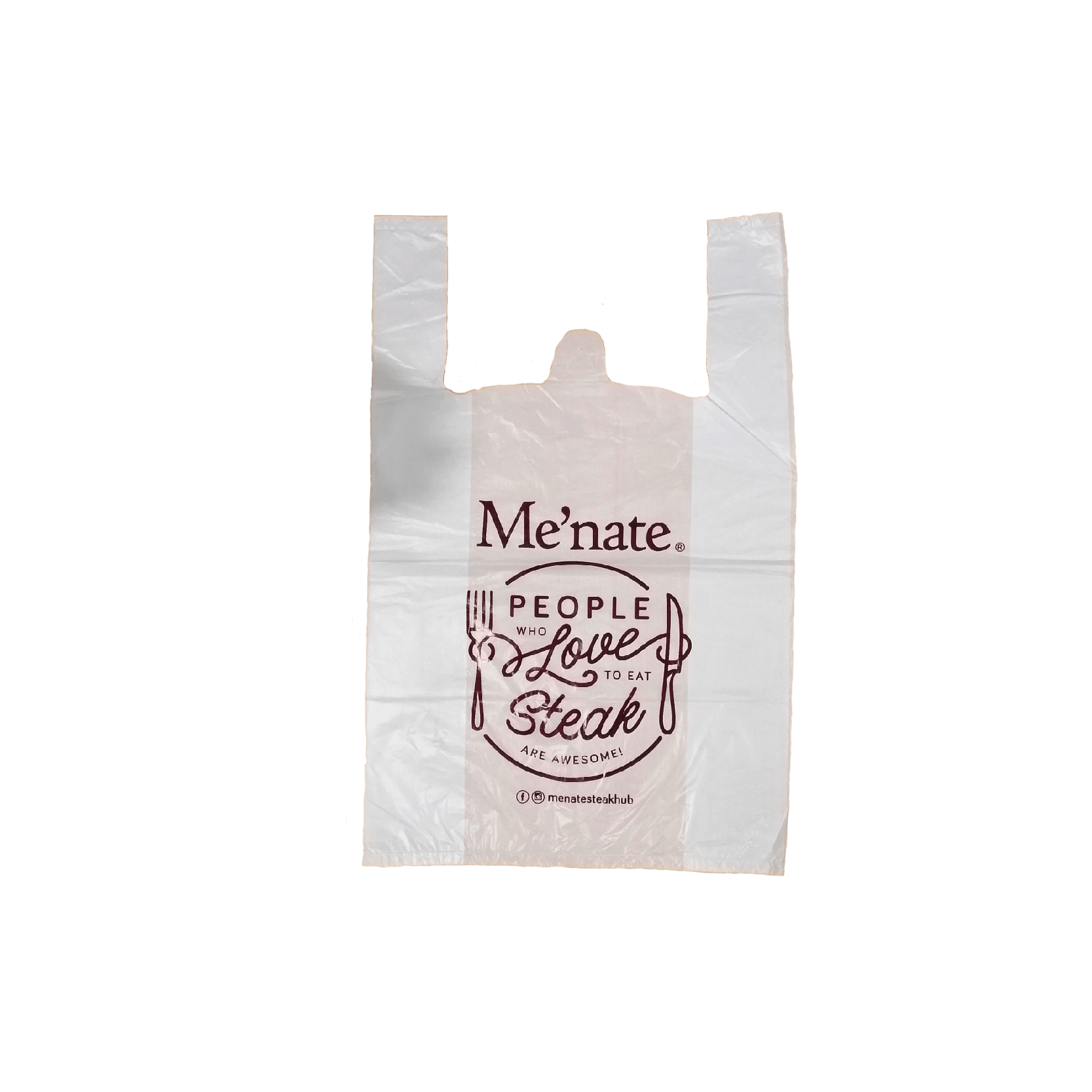
For convenience stores operating in high-footfall locations like MRT stations and petrol kiosks, quick-dispensing bag formats reduce queue time and improve the self-checkout experience. Perforated roll bags are particularly effective in these environments because they allow one-handed dispensing — a critical feature when customers are bagging their own items.
Ideal for: 7-Eleven, Cheers, petrol station minimarts, HDB neighbourhood shops.
Option 3: Custom Shopping Bags for Premium Formats
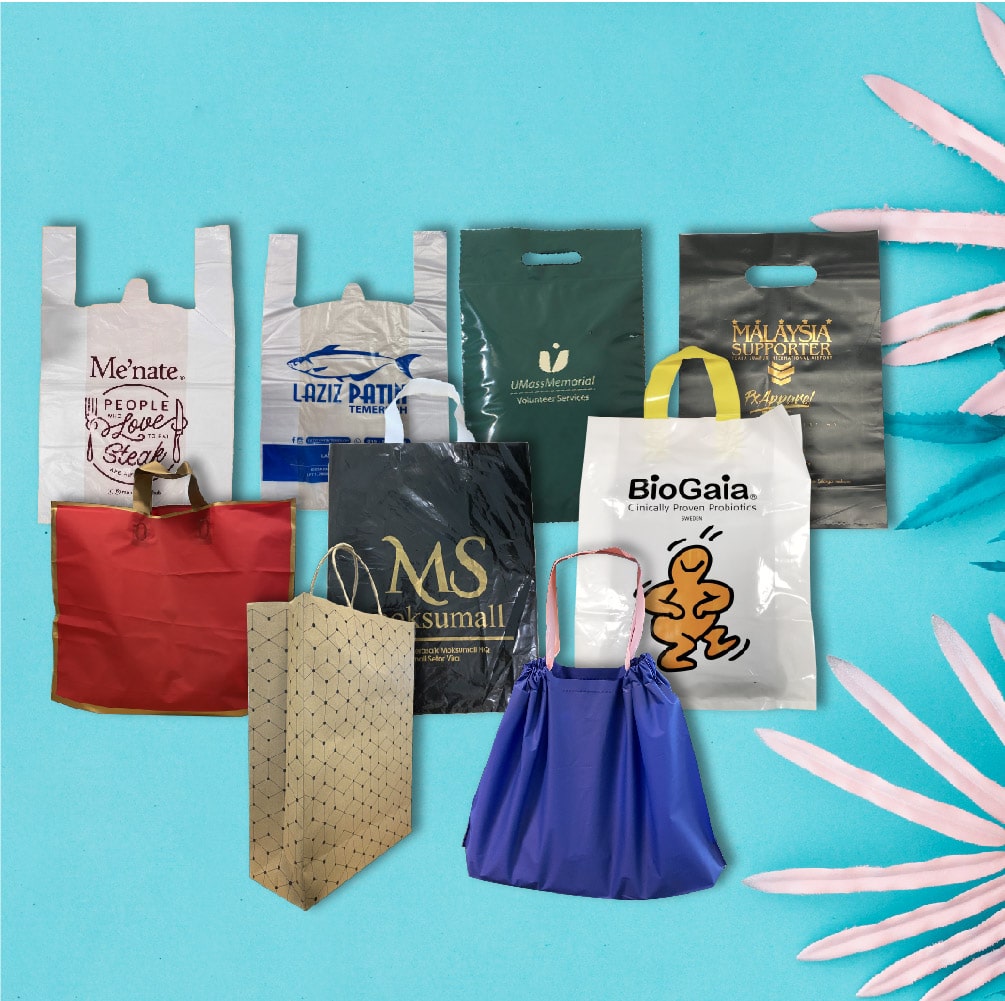
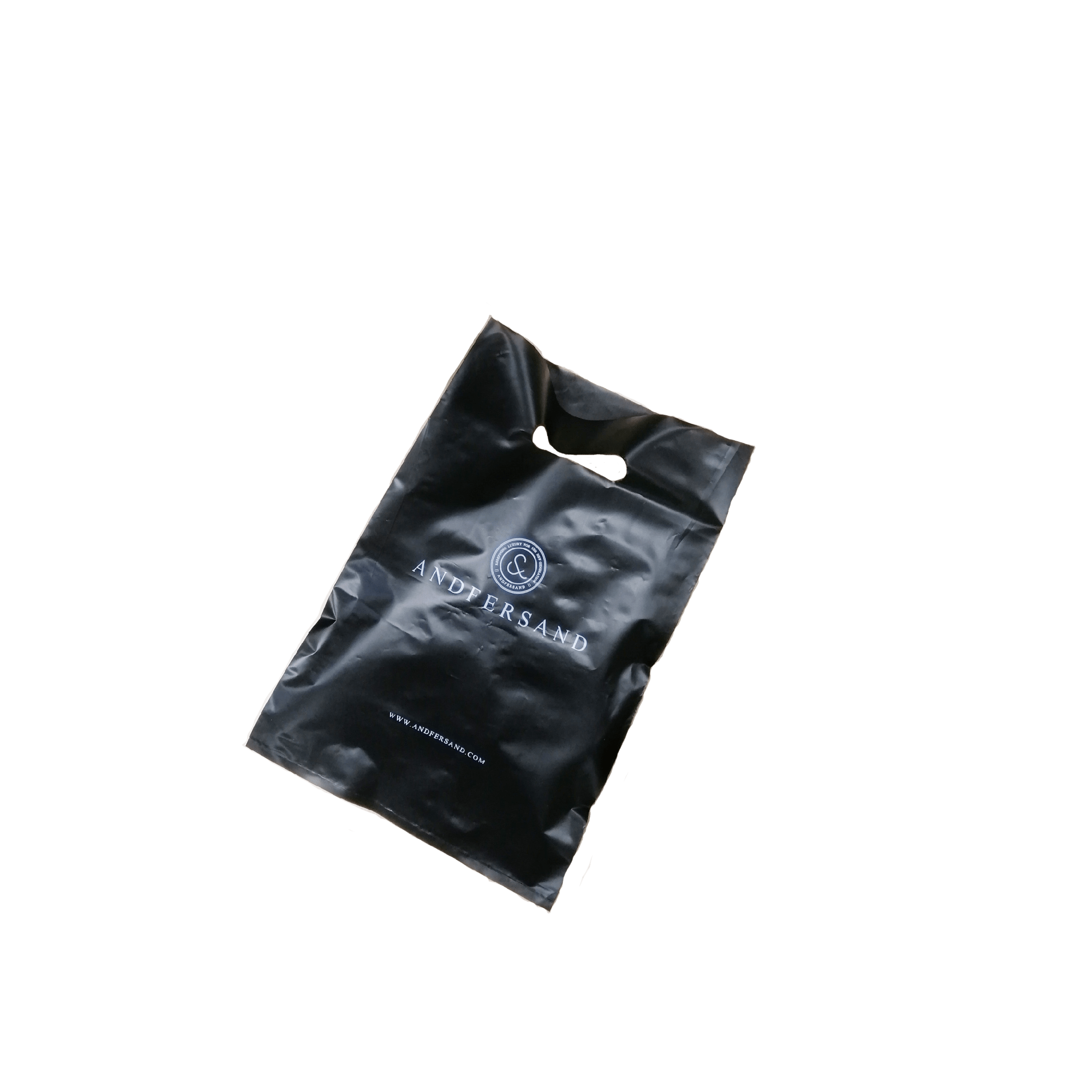
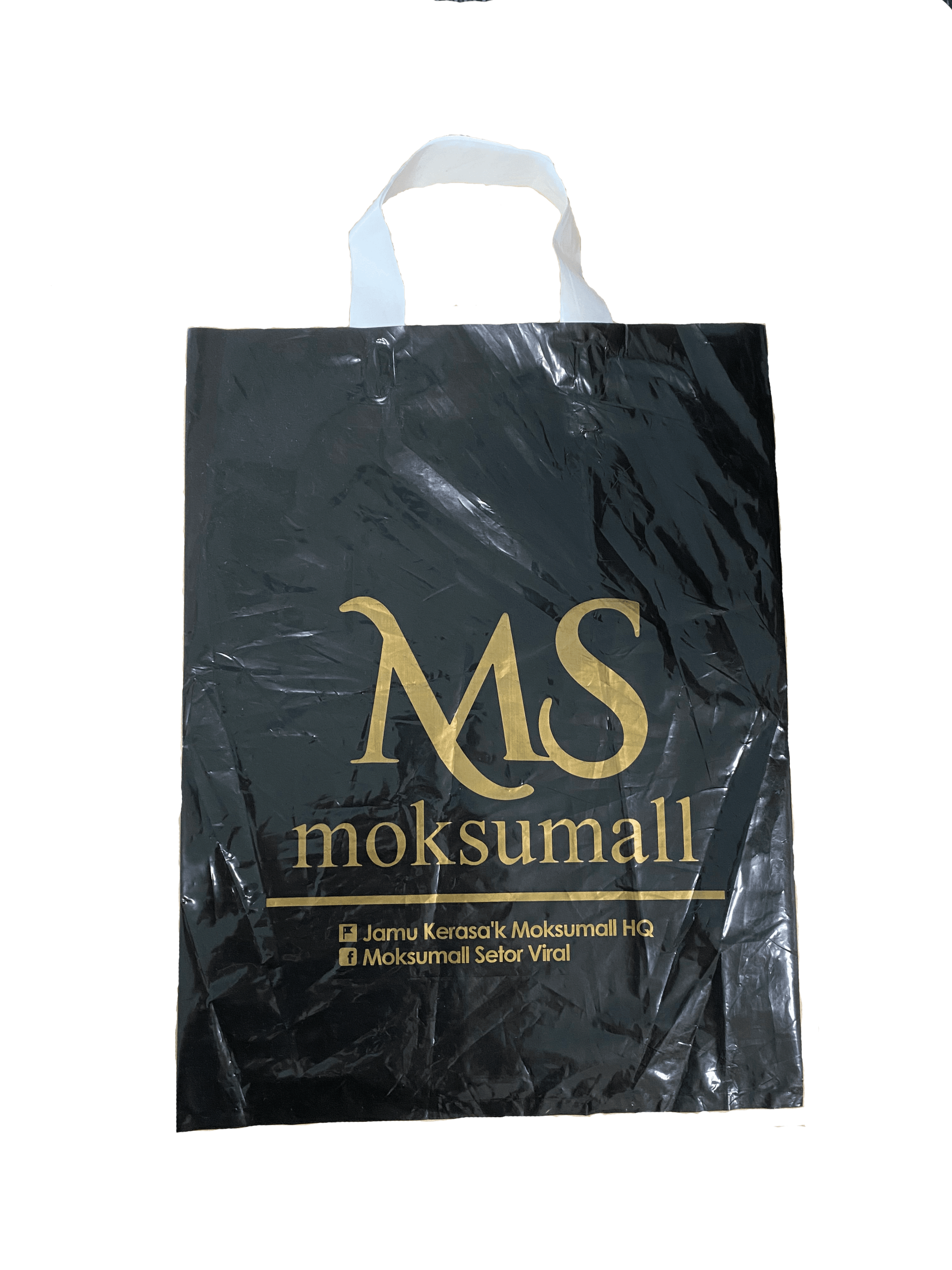
Some retail formats sit between supermarket and convenience store — think Cold Storage’s Marketplace concept or FairPrice Finest. A custom shopping bag with die-cut handles and thicker material (25–35 micron LDPE or HDPE) creates a more premium experience. While more expensive per unit, branded custom bags reinforce brand identity, encourage reuse, and differentiate from budget competitors.
The NEA Landscape: Why Bag Selection Matters Now
Singapore’s plastic bag charge (implemented at major supermarkets since July 2023) has changed consumer behaviour. Under current regulations, major supermarkets charge $0.10 per plastic bag while convenience stores are exempt. This has two implications: supermarkets need bags that carry more per bag (reducing per-transaction count), while convenience stores should plan for future regulatory changes with sustainable packaging options.
Decision Framework: Which Bag Is Right for You?
When choosing a bag supplier for your retail format, prioritise consistent thickness across batches, reliable seal strength at loaded weight, and colour fastness for printed branding. Singapore’s NEA requirements mean bag dimensions and material declarations must be accurate on all packaging.
| Your Store Type | Recommended Bag | Material | Gauge | Why |
|---|---|---|---|---|
| Hypermarket | T-shirt bag — large | HDPE | 20–25 micron | Highest load capacity at lowest cost |
| Standard Supermarket | T-shirt bag — medium/large | HDPE | 15–20 micron | Balance of strength and cost |
| Premium Supermarket | Custom shopping bag with handles | LDPE or HDPE | 25–35 micron | Brand reinforcement + premium feel |
| Convenience Store | Perforated roll single-bag | HDPE | 12–18 micron | Ease of self-service dispensing |
| Petrol Minimart | Wicketed bag, assorted sizes | HDPE | 12–15 micron | Quick grab-and-go |
| Neighbourhood Minimart | Open-top T-shirt bag | HDPE | 15 micron | Cost-effective for low volume |
Quality Checklist for Your Bag Supplier
When choosing a plastic bag supplier for your supermarket or convenience store, verify consistent thickness across batches, tear-seal strength for loaded bags, colour fastness for printed branding, and SFA compliance for food-contact materials.
Get the Right Bags, At the Right Price
Whether you are a supermarket chain ordering millions of HDPE T-shirt bags annually or a single convenience store looking for 10,000 rolls, choosing the right plastic bags for supermarkets Singapore saves money and improves the customer experience.
Cost Comparison
For a broader look at eco-friendly retail packaging, see our guide to eco-friendly packaging in Singapore. To compare pricing across bag types, refer to our wholesale plastic bags Singapore pricing guide.
: Supermarket vs Convenience Store Bags
When budgeting for plastic bags, supermarkets and convenience stores face different cost structures. Supermarkets ordering millions of bags annually can achieve per-unit costs as low as S$0.02–0.05 for standard HDPE T-shirt bags, while convenience stores ordering smaller volumes may pay S$0.05–0.10 per bag. However, the cost per transaction is what truly matters — supermarkets with larger basket sizes use fewer bags per dollar of revenue. For best pricing, compare wholesale plastic bags Singapore options from multiple suppliers and negotiate volume discounts for annual contracts.
Making the Right Choice for Your Business
Whether you manage a hypermarket chain or a single convenience store, the right plastic bag solution balances cost, durability, and customer experience. Plastic bags for supermarkets Singapore need to prioritize load-bearing capacity and bulk pricing, while convenience stores benefit from quick-dispensing formats that speed up self-checkout. Request samples from your supplier and test different bag types at your busiest checkout counter before committing to a large order.
Read our complete guide on packaging regulations in Singapore for detailed NEA compliance information, or browse our full range of custom plastic bags for retail businesses.
Singapore Plastic Bag Charge and Compliance
Since July 2023, Singapore’s larger supermarkets have been required to charge for disposable carrier bags under the Resource Sustainability Act. This has shifted demand toward reusable options but also increased the importance of providing compliant, durable checkout bags that minimise environmental impact while maintaining functionality for shoppers.
Singapore’s plastic bag charge under the Resource Sustainability Act requires retailers to charge for disposable carrier bags. The Singapore NEA packaging regulations provide guidance on compliance and exemptions for different retail formats.
NEA Plastic Bag Charge Implementation
Since July 2023, all large supermarket operators in Singapore (FairPrice, Cold Storage, Sheng Siong, Giant) have been required to charge customers S$0.10-0.20 per disposable plastic carrier bag under the Resource Sustainability Act. Smaller retailers and convenience stores are currently exempt but are expected to face similar requirements in future phases. HAIN Singapore supplies compliant bag options for both exempt and non-exempt retailers.
Customer Case Study: Supermarket Chain Conversion
A Singapore supermarket chain with 12 locations transitioned from generic unbranded HDPE T-shirt bags to custom-printed bags featuring their store logo and sustainability messaging. HAIN Singapore supplied 2 million bags annually across 3 sizes, with consistent 18-micron thickness and reinforced seal strength tested to hold 5 kg loads. The branded bags became walking advertisements — the chain reported a 12% increase in customer recognition in post-purchase surveys. Additionally, the switch to a single supplier reduced their per-bag cost by 8% through consolidated annual volume pricing and eliminated inventory inconsistencies from multi-supplier sourcing.
Checkout Bag Alternatives for Sustainability Compliance
In response to the plastic bag charge, many Singapore retailers are offering reusable bag alternatives at checkout — including non-woven polypropylene bags, recycled PET bags, and heavier-gauge LDPE bags designed for multiple uses. HAIN Singapore supplies durable reusable bag options that meet NEA’s guidance for reusable checkout bags, including thickness recommendations and durability testing standards.
Frequently Asked Questions About Plastic Bags for Retail
Are plastic bags still allowed in Singapore supermarkets?
Yes, plastic bags are still available at all supermarkets. Since July 2023, large supermarket operators charge S$0.10-0.20 per bag under the Resource Sustainability Act. Convenience stores and smaller retailers are currently exempt from charging. The regulation aims to reduce single-use plastic consumption while keeping bags available for customers who need them.
What size plastic bag do most Singapore supermarkets use?
Standard supermarket T-shirt bags range from 18″ x 10″ x 28″ (large) to 24″ x 12″ x 32″ (extra-large). Most supermarkets stock 2-3 sizes: small (for lightweight items), medium (standard grocery), and large (heavy or bulk purchases). HAIN Singapore supplies custom sizing based on your store’s typical transaction profile and shelf depth requirements.
How many plastic bags does a typical supermarket use per year?
A single Singapore supermarket location typically uses 400,000-800,000 plastic bags per year. A chain with 10+ locations may exceed 10 million bags annually. Volume-based pricing means chains achieve significantly lower per-unit costs. HAIN Singapore offers tiered pricing from 100,000 to 5 million+ bags per order, with additional discounts for annual contract commitments.
Request a Sample or Quote
Ready to upgrade your packaging? WhatsApp us or email [email protected]. We offer free samples, design consultation, and competitive pricing for Singapore businesses of all sizes.