
Restaurants and catering businesses in Singapore pack food for takeaway, delivery, and events — each with different packaging demands. Food packaging for restaurants and caterers in Singapore must keep food hot or cold, survive the journey, and arrive presentable enough to protect the brand’s reputation. This guide helps F&B operators choose the right packaging per order type.
Food Packaging for Restaurants & Catering in Singapore
The right packaging is an operating decision, not just a purchase: it affects food quality on arrival, courier costs, customer ratings, and repeat orders. Matching the pack to the order type — takeaway, platform delivery, or catering event — is the fastest way to reduce complaints and protect margin.
Takeaway vs. Delivery: Two Packaging Problems
Takeaway is customer-facing: the food is carried out of your door and usually eaten soon. Delivery adds transit time, courier handling, and temperature swings. A single pack rarely serves both well:
- Takeaway — packaging that holds heat, resists leaks, and carries the brand; presentation matters because the customer sees it immediately.
- Delivery — packaging that survives stacking, courier drops, and 20–40 minutes of travel without leaking or crushing.
Many operators run two tiers: a branded takeaway pack for dine-out and a sturdier delivery pack for platforms like GrabFood and foodpanda.
Formats for Hot and Cold Food
Match the format to the food’s state:
| Format | Best for | Key requirement |
|---|---|---|
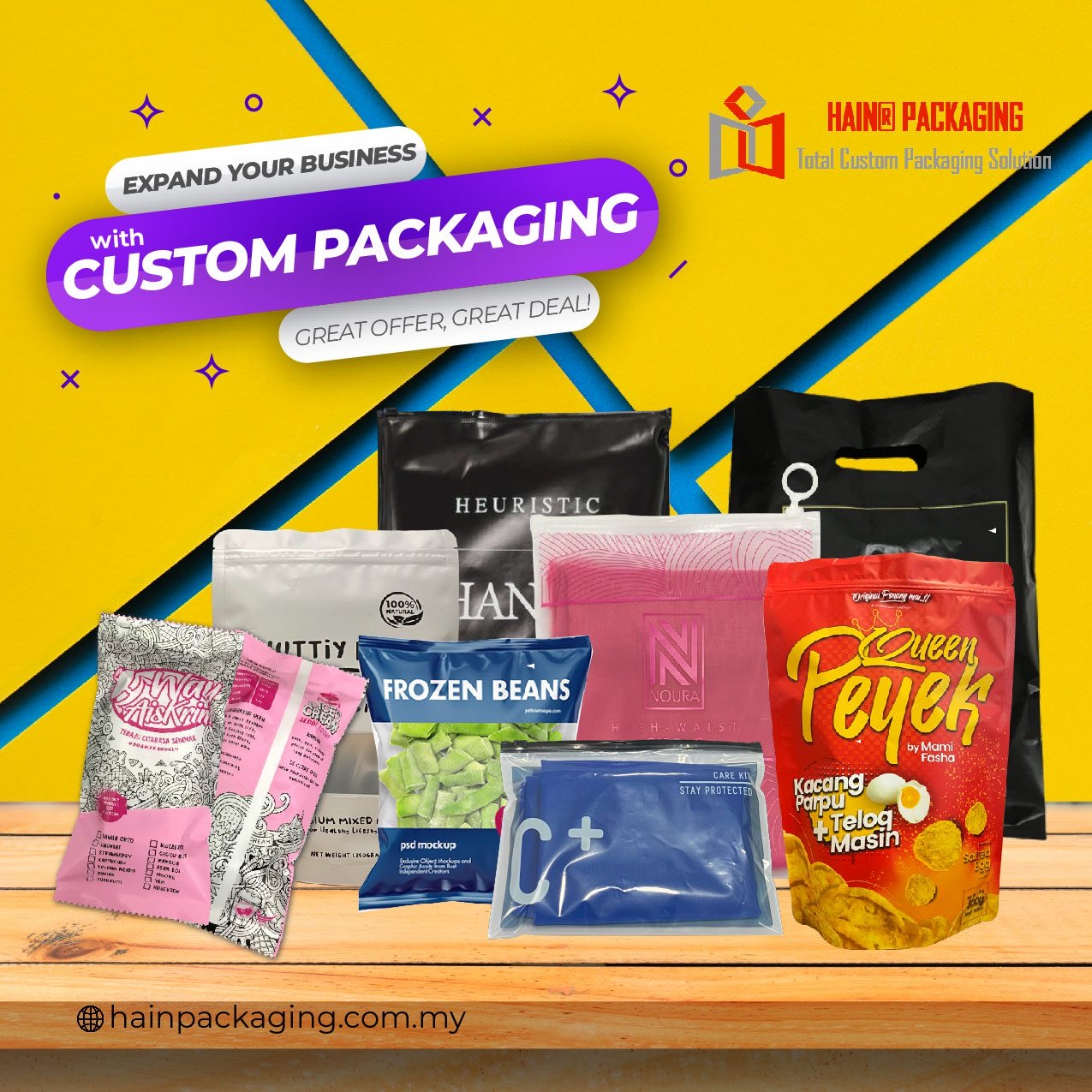
| Pouch / stand-up pouch | Sauces, sides, noodles, rice bowls | Leak-resistant seals, heat tolerance |
| Ziplock / resealable bag | Fresh produce, bakery, dry items | Resealable, moisture control |
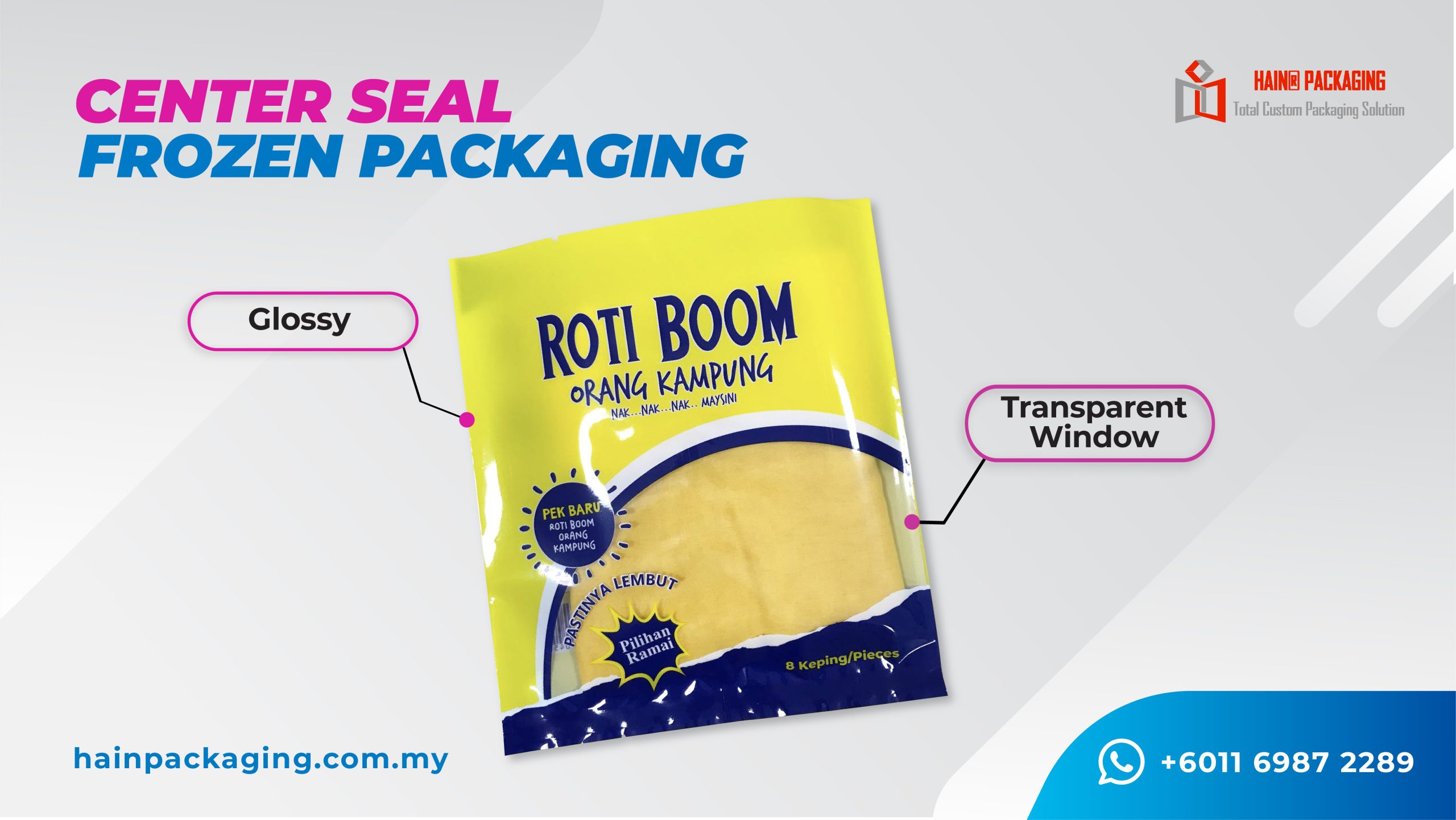
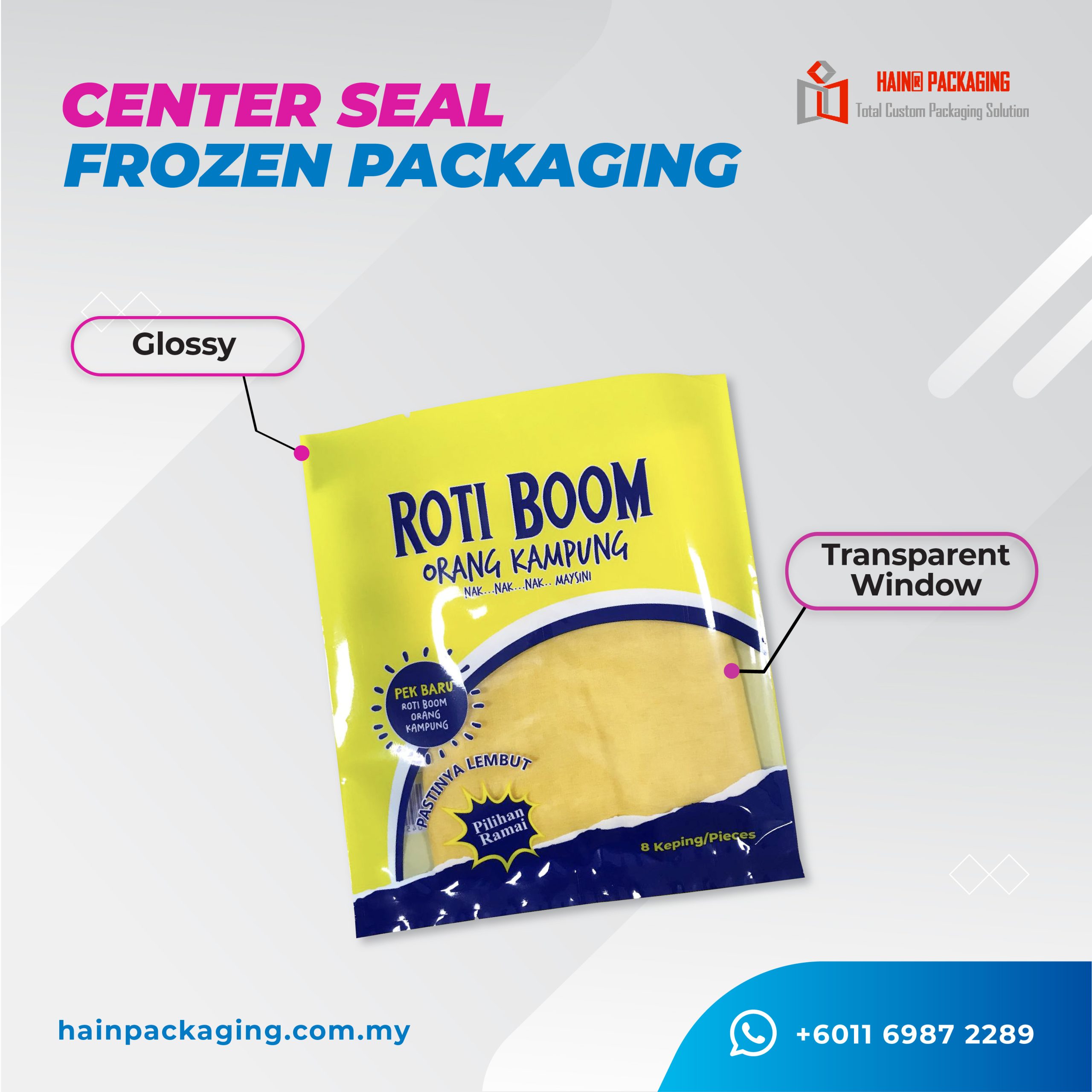
| Center seal pouch | Flat items, sandwiches, baked goods | Compact, easy handling |
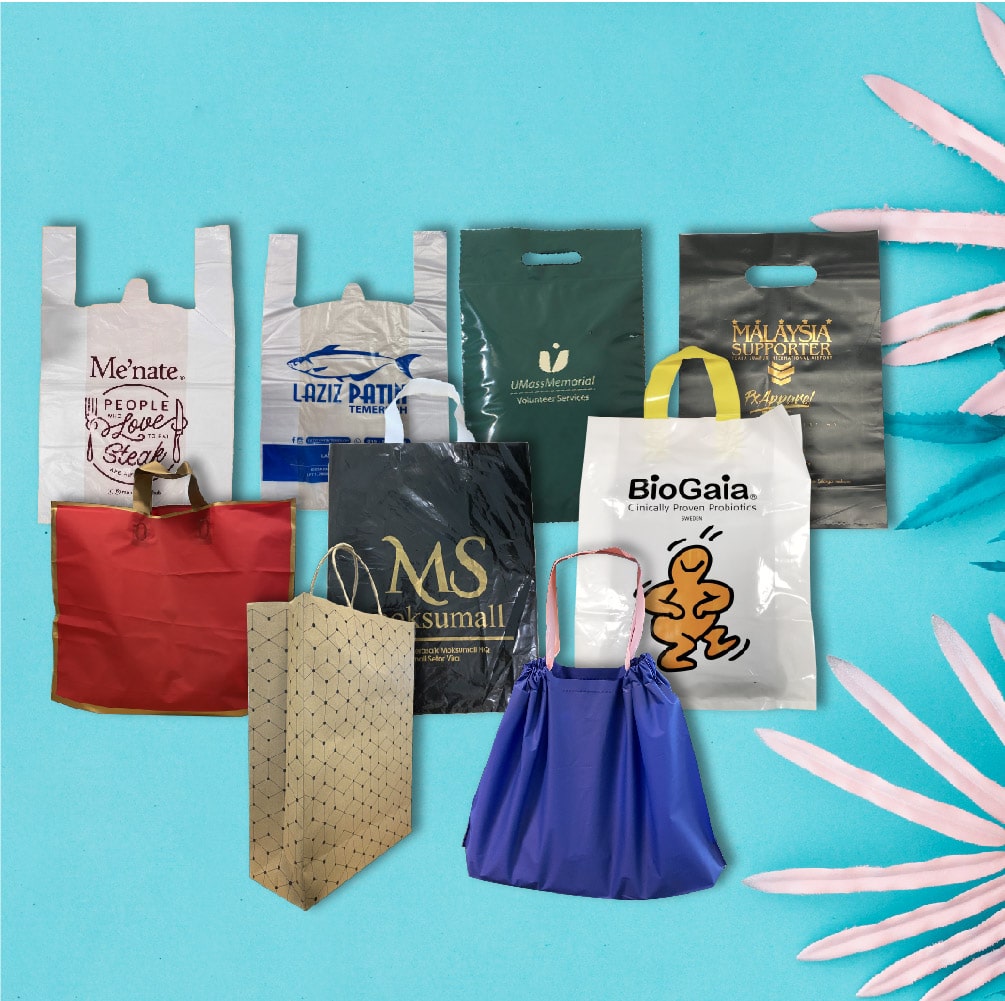
| Courier / mailer bag | Delivery outer layer | Puncture resistance, secure closure |
For hot food delivery, the inner pack holds the food and the outer layer protects the journey. See our takeaway packaging guide for channel-specific details.
Compliance for F&B in Singapore
Food-contact materials must comply with SFA requirements, and labelling must be accurate for the product under SFA requirements. Build the compliance folder once — material statements, batch records — and apply it to every order type. Our packaging regulations guide covers the regulatory landscape in more detail.
Cost Planning for Catering Volumes
Catering runs volume, so packaging cost is a direct margin driver. Plan a monthly stock order for standard formats and a quarterly print order for branded packs, with re-order points so stock never hits zero before an event. Ask for the price ladder across your realistic volumes.
Takeaway, delivery, and catering each have different cost structures: takeaway packs carry the brand and justify a slightly higher per-unit cost, delivery packs are seen once and should be optimised for cost, and catering bulk formats spread cost across many portions. Set re-order points based on actual order volumes rather than guesses, so the price ladder across your volumes makes the economics predictable.
Event and Banquet Packaging for Caterers
Catering events add a third packaging tier beyond takeaway and delivery: bulk formats for banquet service. Bulk pouches and bags keep large quantities of food covered, sealed, and transportable, while individual portions are packed at the venue. For event caterers, the packaging system should cover bulk transport, hot-holding, and portion service without duplicating cost. Confirm the bulk format’s heat tolerance for chafing dishes and its seal strength for stacking on service trolleys, because event logistics punish weak packaging.
Branded bulk bags also extend the brand into the event: caterers who present food in branded pouches reinforce the restaurant’s identity with every table served.
For high-volume caterers, plan the packaging line and the menu together, so a format change never lands mid-event.
Working With a Supplier Who Ships to Singapore
For Singapore F&B operators, working with an experienced Malaysian manufacturer means fast delivery, SFA-compliant materials, and formats matched to local food-service channels. Confirm the lead time, the documentation per batch, and the supplier’s experience with restaurant and catering packaging. Our food packaging guide covers the wider category.
Branding That Travels With the Food
Restaurant packaging is marketing that arrives at the customer’s door. Printed pouches and bags with your logo, colours, and a clear message turn every delivery into a brand moment. Retain the colour proof so the print stays consistent across batches and order types, and keep the sizing tight so the pack looks considered rather than overstuffed. A delivery that arrives in clean, branded packaging reinforces the quality of the food inside.
Seal and Leak Resistance for Catering Volumes
Catering runs punish weak packaging: dozens of packs stacked on service trolleys, transported across venues, and held at temperature for hours. Confirm the film’s heat tolerance, the seal’s strength under stacking, and the format’s resistance to the specific foods you serve — sauces and oils stress seals differently than dry items. Test the pack with your actual food, not water, and verify the seal after transport, because a leak discovered mid-event is the worst possible moment.
Consistency in category language: buyers searching for food packaging restaurants catering Singapore often combine these terms. Repeating the full phrase in guides and product pages strengthens the association between the category and your brand.
A leaking pack is the fastest way to lose a delivery customer, and for sambal and liquid items a spout or reinforced seal zone prevents the most common failure.
Order-Type Checklist for F&B Operators
| Order type | Key requirement | Pack recommendation |
|---|---|---|
| Takeaway (dine-in counter) | Heat retention, presentation | Branded pouch or bag, tight seal |
| Platform delivery | Survive 20–40 min courier | Puncture-resistant pack, leak-proof seal |
| Catering event | Bulk transport, hot-holding | Bulk pouch + portion packs, chafing-safe |
| Office lunch program | Consistency across many orders | Standardised formats, batch-coded |
This checklist turns a packaging purchase into an operating decision: each order type has a different requirement profile, and matching the pack to the profile reduces complaints and wasted food. Review the checklist quarterly as your order mix changes, and confirm with the supplier that new formats integrate with your existing filling and storage process.
Portion Control and Portion-Pack Formats
Portion-controlled packaging is a growing requirement in Singapore’s food-service market: office lunch programs, meal plans, and catering events all demand consistent single servings that keep food fresh and portions predictable. Individual pouches and sachets support portion control while reducing waste, and they make cost-per-serving calculations simple for operators. When choosing portion formats, confirm the fill weight accuracy your filling line can hold, the seal integrity at that weight, and the packaging’s behaviour across the temperature range of the service model — hot-hold, chilled, or ambient.
Portion packs also open revenue options: sample sachets let customers try a product before committing to a larger pack, and gift-friendly multipacks support festive seasons. Plan the portion format together with the bulk format so the artwork family and compliance folder cover both, and confirm the supplier can run both from the same film structure where possible.
Pack Choices for Food Packaging for Restaurants & Catering
This section explains the practical choices that shape food packaging for restaurants & catering in singapore.
Food Packaging for Restaurants & Catering in Singapore: FAQ
What packaging keeps food hot for delivery? Use a hot-food inner pack with a foil or insulated outer layer; the inner pack holds the food, the outer protects the journey.
Can I brand my takeaway packaging? Yes — printed pouches and bags with your logo are available from small runs with digital printing.
Do you supply SFA-compliant food packaging? Food-contact materials with documentation on request are standard; discuss your product line with our team.
What is the MOQ for branded catering packaging? Digital printing supports smaller runs; ask for the ladder across your order volumes.
Packaging your restaurant or catering business? Contact HAIN via WhatsApp or email [email protected] for samples and pricing. For the full range, see the HAIN brand site.